The Vagus Nerve: The Nerve that Connects the Brain, Heart, and Gut
The vagus nerve is the body's longest nerve — and perhaps the most fascinating. Learn how it connects the brain with the body's most vital organs and why so many people are talking about it right now.
.avif)
Introduction
There's a nerve in the body that travels through almost your entire body — from the brainstem down through your neck, past your heart and lungs, and all the way down into your stomach.
It's called the vagus nerve, and until a few years ago, it was mostly medical students and nervous system researchers who talked about it.
Today, it's popping up everywhere: in podcasts about stress, in articles about sleep, and in conversations about how the body recovers. The reason is that research has begun to understand how central the vagus nerve is for the balance between stress and rest in the body.
In this article, we'll take a closer look at what the vagus nerve actually is, what it does, and why it has become so talked about. We'll also go through what you can do yourself to support its function in everyday life.
What is the Vagus Nerve?
The vagus nerve is the tenth cranial nerve, sometimes called cranial nerve X. The name comes from the Latin vagus, meaning "wandering" — precisely because it travels through such large parts of the body.
It's actually two nerves, one on each side of the body, but they are usually referred to in the singular.
It originates from the brainstem and winds its way down through the neck, chest, and abdominal cavity. Along its path, it branches out to the heart, lungs, stomach, liver, spleen, kidneys, and intestines.
Together, the two vagus nerves contain a large portion of the nerve fibers in the parasympathetic nervous system — the part of the nervous system responsible for rest, recovery, and digestion.
The Autonomic Nervous System: Stress and Recovery
To understand the vagus nerve, it helps to understand the autonomic nervous system. This is the part of the nervous system that controls functions we don't consciously think about — such as heart rate, breathing, and digestion.
The autonomic nervous system is divided into two parts that balance each other. The sympathetic nervous system is activated when the body needs to rev up — during stress, danger, or exertion.
The parasympathetic nervous system is activated when the body needs to wind down, digest food, and recover.
The vagus nerve is the main conduit for the parasympathetic system. When it's active, the body enters a state where heart rate decreases, breathing becomes calmer, and digestion begins.
What Does the Vagus Nerve Actually Do?
The vagus nerve has many functions, but some of the most important include regulating heart rate, breathing, digestion, and communication with the immune system.
The heart. The vagus nerve helps lower the heart rate and contributes to a calm heart rhythm in a resting state.
The lungs and breathing. The nerve is involved in the rhythm of breathing and helps the body to wind down with calmer breaths.
Digestion. The vagus nerve signals the stomach to produce stomach acid, the pancreas to release enzymes, and the intestines to move – it is absolutely central for food to be processed correctly.
The immune system. Research has shown that the vagus nerve communicates with the immune system and is involved in regulating inflammatory processes in the body.
The gut-brain axis: a two-way communication
This is perhaps the vagus nerve's most fascinating role. It acts as the main pathway in what is known as the gut-brain axis – the constant communication between the gut and the brain.
What often surprises people is that approximately 80 percent of the nerve fibers in the vagus nerve are afferent.
This means they send information from the body up to the brain, not the other way around. The gut, heart, and other organs are constantly "reporting" upwards about their condition.
That's why the expression "gut feeling" has a more concrete biological basis than one might think. The gut produces neurotransmitters and other substances that affect the brain via the vagus nerve. And conversely, stress and anxiety can quickly manifest in the stomach.
What is vagal tone?
In research, "vagal tone" is often discussed – a measure of how active the vagus nerve is. High vagal tone is associated with a better ability to switch between stress and recovery, a calmer resting heart rate, and a more flexible heart rhythm.
Previously, vagal tone was thought to be as constant as body height. However, later research indicates that it is malleable – it can be strengthened with the right habits, much like a muscle can be trained.
This is precisely what has made the vagus nerve such a popular topic of discussion: there are simple, everyday ways to support its activity.
What affects vagus nerve function?
Several factors can dampen or support vagus nerve activity. Chronic stress, poor sleep, excessive sitting, and constantly hunched shoulders seem to reduce its activity.
This also applies to an overstimulated nervous system that rarely gets to rest. On the other hand, there is a wide range of habits that research links to increased vagal activity.
Many are so simple you barely think about them – yet they interact with the body's biology in surprising ways.
Practical Ways to Support the Vagus Nerve
Here are some methods that research suggests may activate the vagus nerve:
Slow, deep breathing. Breathing deeply into the diaphragm with long exhalations is one of the most well-studied ways to activate the parasympathetic nervous system. A common exercise involves inhaling for four seconds and exhaling for six to eight seconds.
Cold water on the face. Rinsing your face with cold water or ending your shower with a few seconds of cold water activates the diving reflex, which engages the vagus nerve.
Singing, humming, and gargling. The vagus nerve is connected to the muscles in the throat and vocal cords. Singing, humming, or gargling creates vibrations that stimulate these areas.
Gentle movement and yoga. Activities that combine breath and movement – such as yoga, qigong, or gentle walks – appear to promote parasympathetic activation.
Social connection and touch. Secure social interactions and physical proximity are linked to the release of oxytocin, which in turn can influence vagus nerve activity.
Sleep and circadian rhythm. A consistent circadian rhythm and sufficient sleep allow the nervous system to recover and rebalance.
It's important to remember that these methods are not medical treatments but rather everyday tools. They work best as part of a holistic approach where sleep, diet, movement, and recovery all play a role.
When the Vagus Nerve Isn't Functioning Properly
The vagus nerve can sometimes become irritated or imbalanced, leading to subtle physical symptoms. These might include slow digestion, a lump in the throat, or difficulty unwinding.
Chronic stress, a sedentary lifestyle, and irregular sleep are often cited as factors that strain the nervous system.
For more noticeable or persistent issues, it's always advisable to contact a healthcare professional for an assessment. The vagus nerve is complex, and its function can be influenced by many different factors.
Summary
The vagus nerve is one of the body's most underrated heroes. It connects the brain with the heart, lungs, and stomach, playing a key role in how the body switches between activity and recovery.
The great thing is that it's highly influenceable. Through simple daily habits – deep breathing, sleep, movement, singing, or a brief moment of cold on the face – we can give the nerve optimal conditions to do its job.
In a daily life that often keeps us revved up, it might be worth pausing occasionally to remember that the body also has a built-in calming nerve – and that it listens to how we live.
About Relivo
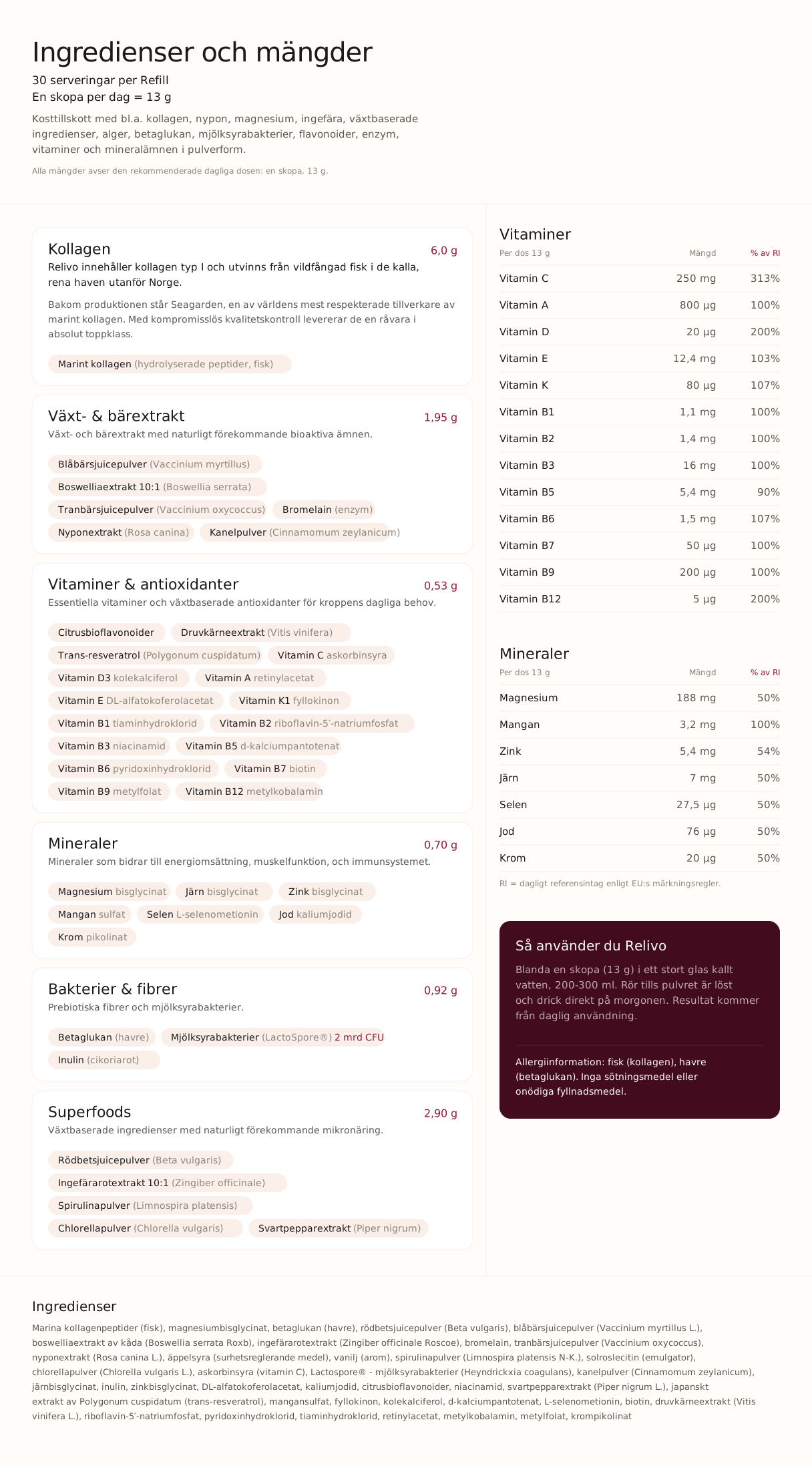
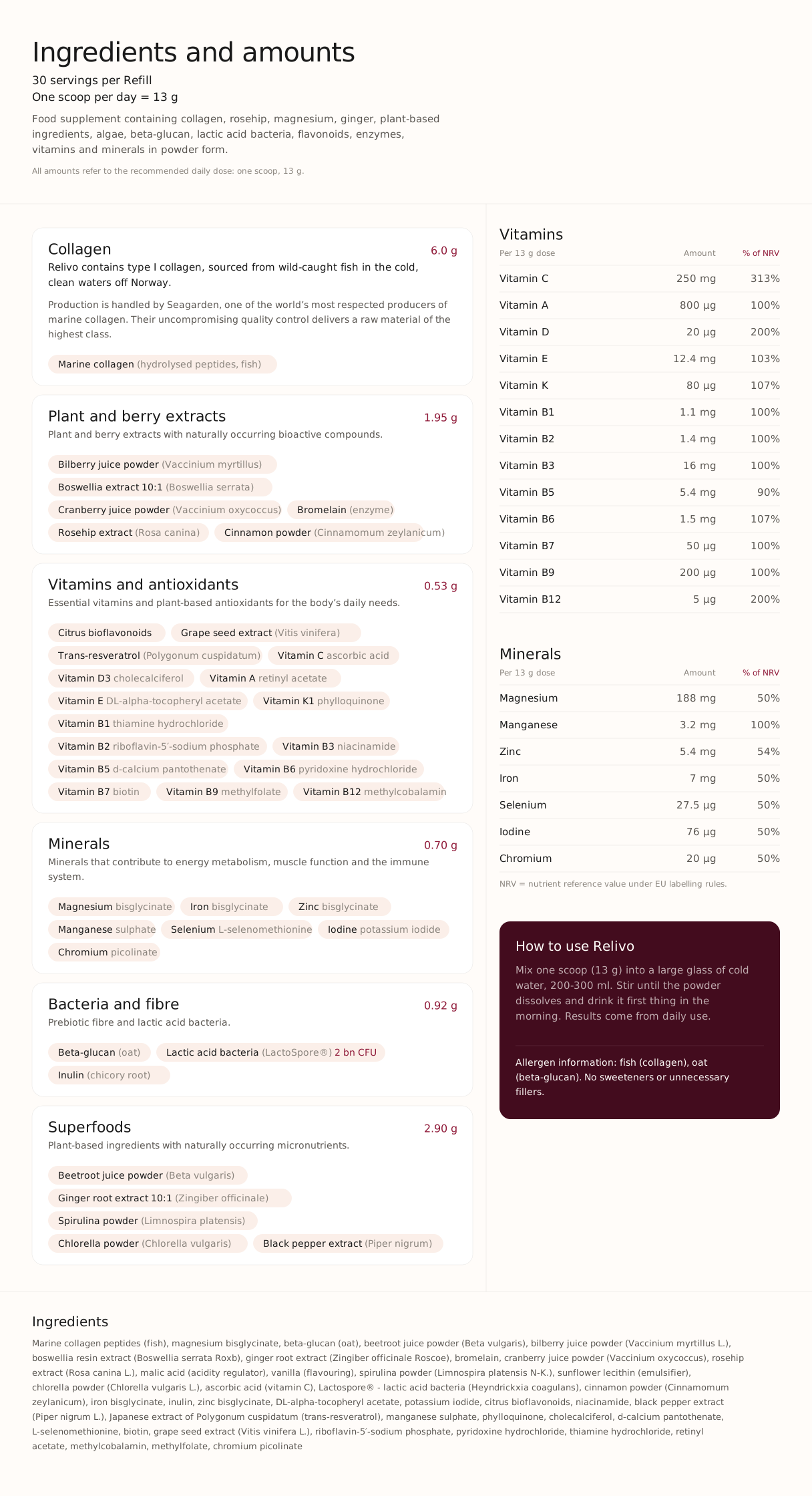
Relivo is a complete daily nutritional supplement developed in collaboration with Swedish researchers and nutritionists. Relivo combines 38 carefully selected nutrients that support the body's most important systems and structures.
All combined in one scoop of powder, developed to be easy to use and simple to incorporate into daily life. Relivo mixes in 60 seconds and serves as a long-term nutritional foundation for energy, immune system, gut health, muscles, and joints.