Testosterone after 40 – what you can actually influence through lifestyle
Testosterone levels naturally decline after the age of 30, but much of what affects men after 40 is manageable. Here is what the research says about what actually works.

Introduction
Around the age of 30, most men’s testosterone levels begin to drop. About 1–2 percent per year—slowly, gradually, and often imperceptibly. Until one day, you notice that your body isn't responding to strength training like it used to, your energy is lower, your libido comes and goes, and motivation requires more effort than it once did.
It is the part of aging that few talk about openly, but that more and more people are now taking seriously. Google searches for "low testosterone in men" and "boost testosterone" have increased significantly in recent years. At the same time, the field is filled with quick fixes, expensive supplements, and exaggerated promises—many without any scientific basis.
In this guide, we go through what actually happens to testosterone after 40, which lifestyle factors are supported by research, what you can do yourself, and when it is time to talk to a doctor. No hype. Just what works.
Natural decline vs. clinically low testosterone
First, the most important thing: distinguishing between what is normal and what requires attention.
Natural age-related decline. From age 30 and up, there is a gradual decrease in testosterone of about 1–2 percent per year. This is completely normal and does not necessarily cause symptoms.
Clinically low testosterone (hypogonadism). When levels drop below certain thresholds AND symptoms occur, it can be considered a medical condition. This affects 2–5 percent of men aged 40–60.
The difference is important. Not all men over 40 will experience problems with testosterone—many age while maintaining healthy levels. But for those who do, there are both lifestyle factors to work on and medical options to discuss with a doctor.
Symptoms to look out for
The classic signs of lower testosterone levels often overlap with "normal life after 40"—which is one of the reasons it is difficult to detect:
- Persistent fatigue despite getting enough sleep
- Reduced sexual desire (libido)
- Difficulty building or maintaining muscle mass
- Increased body fat, especially around the abdomen
- Poorer recovery after exercise
- Sleep problems or shallower sleep
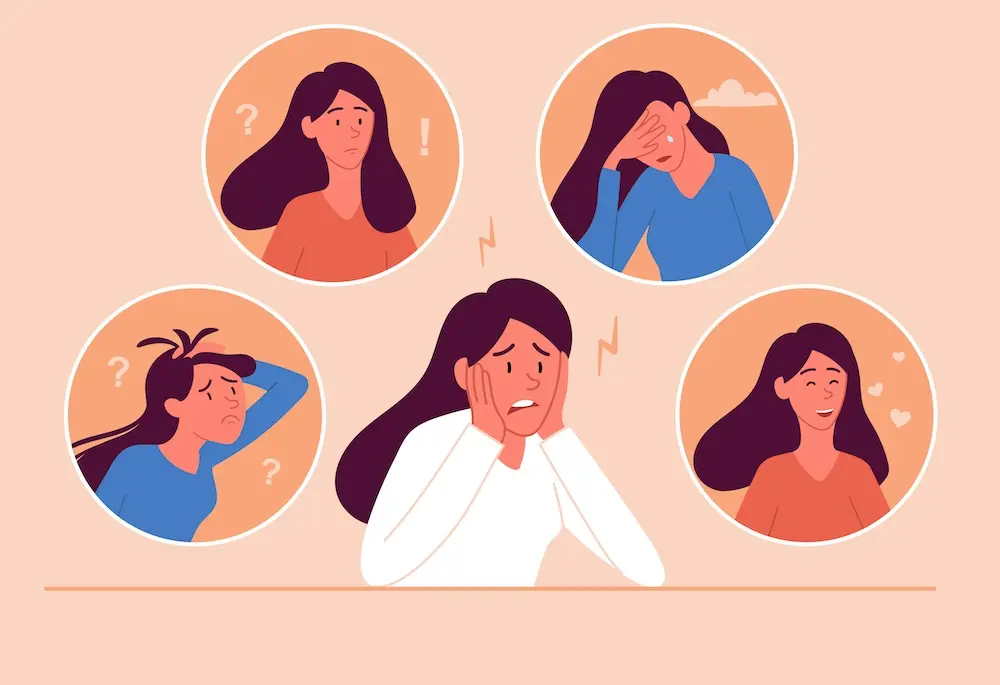
- Mood swings, irritability, low motivation
- Brain fog and difficulty concentrating
If you experience several of these over a long period, it is worth checking with a doctor. A simple blood test will provide the answer.
Six lifestyle factors clearly supported by research
Here is what you can actually influence, ranked by impact according to current research.
1. Sleep - the single biggest lever
A well-known experiment at the University of Chicago showed that when healthy young men slept 5 hours a night for a week, their testosterone levels dropped by 10–15 percent. Biologically, that is equivalent to aging 10–15 years in just one week.
Sleep is the single most important lifestyle factor you can optimize. 7–9 hours per night should be a baseline requirement for anyone looking to maintain their testosterone levels after 40. If you want to build a better evening routine, there is How to create the ultimate evening routine for better sleep.
2. Strength training - acute stimulus, long-term effect
Strength training activates testosterone synthesis both acutely (after the workout) and long-term through increased muscle mass. The effect is greatest with compound exercises like squats, deadlifts, bench presses, and overhead presses.
Aim for 2–4 sessions per week. Lift heavy within reasonable limits. If you are a beginner, start light and build gradually. The older you get, the more important strength training becomes for hormonal balance.
3. Body composition and weight
Fat tissue contains an enzyme called aromatase, which converts testosterone into estrogen. The more fat tissue—especially around the abdomen—the greater this conversion can be. This is one of the mechanisms behind the link between excess weight and lower testosterone in men.
This does not mean that all men need to diet. But if you carry significant excess weight around your waist, weight management is one of the most powerful levers for hormonal balance.
4. Stress and cortisol
Testosterone and cortisol have an inverse relationship—when one is high, the other tends to be suppressed. Chronic stress that leads to constantly elevated cortisol levels can therefore contribute to lower testosterone over time.
Meditation, walks in nature, consistent social contact, and clear work boundaries are all evidence-based ways to manage cortisol. If you want to learn more, there is Cortisol and nutrients – how chronic stress steals your vitamins.
5. Nutrition - the three most important nutrients
Three nutrients have the strongest research support for their role in testosterone production:
Zinc is a direct cofactor in testosterone synthesis. Zinc deficiency is linked to lower testosterone levels in several studies, and supplementation in individuals with low status has been shown to increase levels.
Vitamin D is actually not a vitamin, but a hormone. Studies have consistently shown a positive correlation between vitamin D status and testosterone levels, especially in men with low baseline values.
Magnesium has been shown in several studies to play a role in sex hormone production. The effect is usually moderate but consistent, especially in individuals with deficient status.
In addition to these: sufficient protein, healthy fats (the body needs cholesterol to build hormones), and enough carbohydrates. Conversely, extremely low-carb diets over a long period can lower testosterone.
6. Alcohol - the underestimated factor
Alcohol affects testosterone in several ways: directly by inhibiting testosterone synthesis in the testes, indirectly by increasing aromatase activity, and by disrupting sleep quality.
An occasional beer has little effect. Regular high consumption has a measurable and long-term effect. A weekday habit of abstaining from alcohol from Monday to Thursday can make a big difference over time.
What doesn't work - debunking some common myths
- "Testosterone-boosting supplements" with secret herbal blends. Most have not been studied in serious RCTs. Expect subtle or no effects.
- DHEA supplements without medical guidance. DHEA is prescription-only in Sweden for a reason - it is a steroid hormone.
- A single isolated testosterone measurement. Levels vary throughout the day. A test at 2 PM says nothing about your true value. Tests should be taken while fasting in the morning.
- Compensating for poor sleep with coffee and supplements. No amount of nutrition can replace sleep for testosterone production.
Environmental factors - the endocrine disruptors we take too lightly
Many everyday chemicals act as so-called endocrine disruptors - substances that can affect the hormonal system. BPA (bisphenol A) in certain plastics, phthalates in cosmetics, PFAS in waterproof materials.
Short version: avoid heating food in plastic, choose glass bottles for water, check ingredient lists in skincare. The effect per exposure is small - cumulatively, it can be significant.
When should you seek professional help?
If you recognize yourself in several symptoms over a longer period, or if your quality of life is affected, it is wise to talk to your health center or a urologist/endocrinologist. A blood test (fasting, morning, preferably two separate tests) provides the answer.
For men with clinically low levels AND clear symptoms, hormonal replacement therapy (TRT) is available as a medical option. This is not something you should do on your own via online clinics or gym networks - it is a doctor-supervised treatment with both benefits and risks.
Read more at 1177 Vårdguiden.
Summary
Testosterone levels drop naturally after 40 - but much of what affects men's health at this age is actually manageable. Sleep, strength training, body composition, stress, nutrition, and alcohol are the six levers most clearly supported by research.
About Relivo
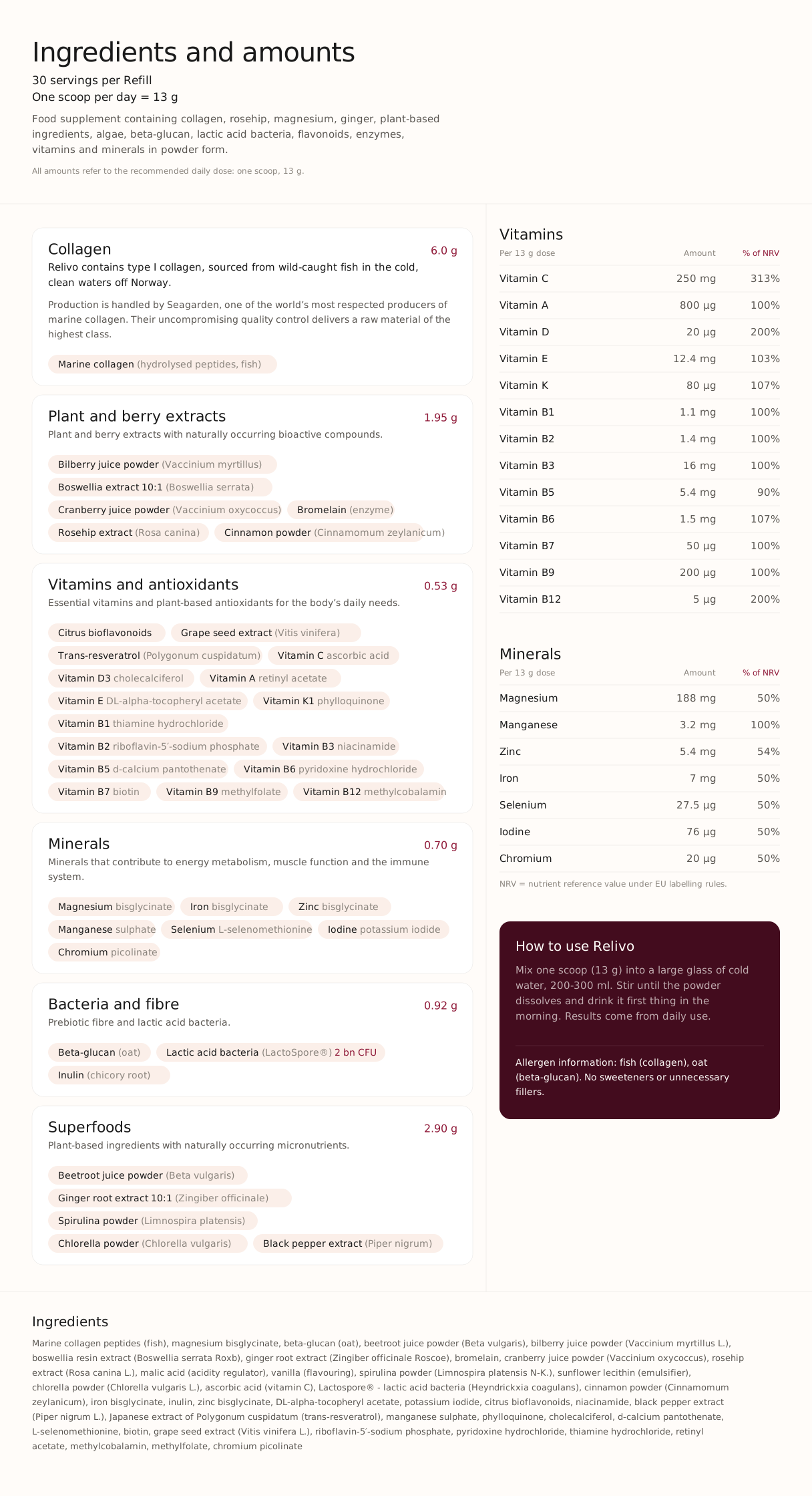
Relivo is a complete daily nutritional supplement developed in collaboration with Swedish researchers and nutritionists. Relivo combines 38 carefully selected nutrients that support the body's most important systems and structures.
Everything gathered in one scoop of powder, developed to be simple to use and easy to incorporate into everyday life. Relivo is mixed in 60 seconds and used as a long-term nutritional foundation for energy, immune system, gut health, muscles, and joints.
Sources
- Leproult R, Van Cauter E – Effect of 1 Week of Sleep Restriction on Testosterone Levels in Young Healthy Men (JAMA)
- Pilz S et al. – Effect of Vitamin D Supplementation on Testosterone Levels in Men
- Cinar V et al. – Effects of magnesium supplementation on testosterone levels of athletes and sedentary subjects at rest and after exhaustion
- Prasad AS et al. – Zinc status and serum testosterone levels of healthy adults
- Kelly DM, Jones TH – Testosterone: a metabolic hormone in health and disease
- Whittaker J, Wu K – Low-fat diets and testosterone in men: Systematic review and meta-analysis of intervention studies
- Cohen J et al. – Low Testosterone in Adolescents & Young Adults
- Emanuele MA, Emanuele NV – Alcohol's Effects on Male Reproduction
- EFSA – Zinc contributes to normal fertility and reproduction
- 1177 Healthcare Guide – Testosterone deficiency in men