Menopause and mood - the role of nutrition in hormonal transition
Sudden anger, crying spells, brain fog, and unexplained anxiety? Menopause and mood are closely linked—and nutrition plays a bigger role than many realize.
Introduction
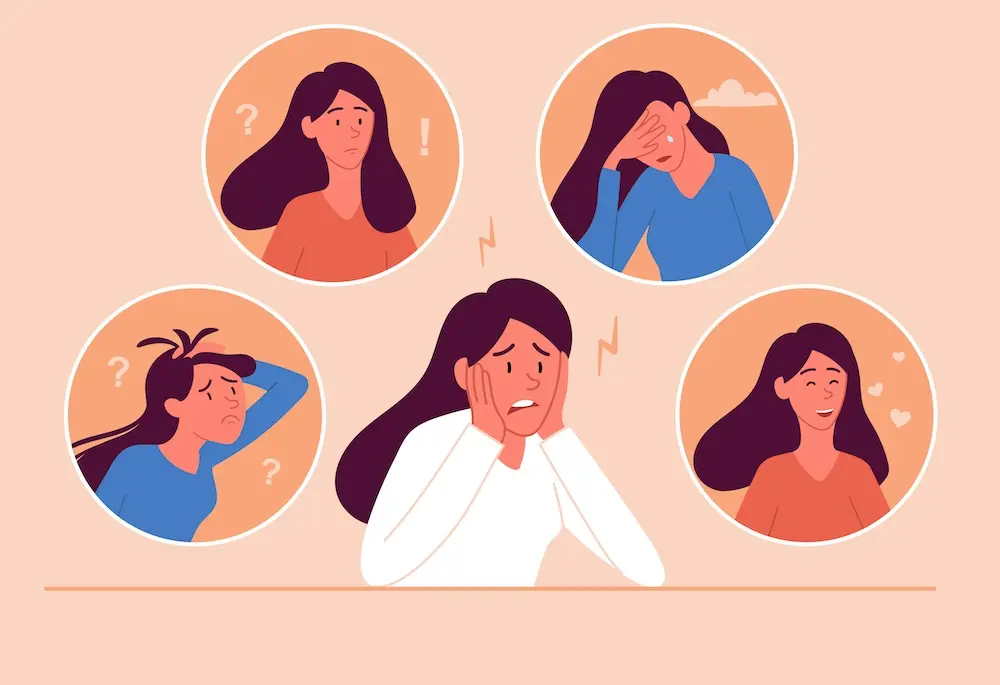
For a long time, menopause has been portrayed as "that thing with hot flashes and periods stopping." The fact that it often involves months—sometimes years—of mood swings, anxiety, low mood, and a feeling of not being yourself hasn't been talked about as openly.
That is changing. Women are increasingly taking center stage in the conversation about what hormonal shifts actually do to the brain, mood, and energy levels. At the same time, research is growing on how nutrition, lifestyle, and various forms of support can make these years more manageable.
In this guide, we walk through what happens in the body and brain during menopause, why mood is so clearly affected, which nutrients may play a role, and how you can think about this in practical terms. No miracles promised—just sound, evidence-based strategies.
What is menopause, really?
Menopause is the period when the body's production of sex hormones declines. It is not a single point in time but a process that often lasts for 4–10 years. It is divided into three phases:
Perimenopause: the period leading up to the final menstrual cycle. It can begin as early as your 40s with irregular periods, mood swings, and the first hot flashes.
Menopause: the point in time when you have gone one year without a period. The average age in Sweden is around 51.
Postmenopause: the entire life after menopause. Here, hormones stabilize at a new, lower level.
The symptoms most commonly associated with "menopause"—hot flashes, sleep problems, mood swings—usually appear most intensely during perimenopause, when hormone levels fluctuate the most.
What happens to the brain when estrogen drops?
Estrogen is not just a "female hormone." It affects the entire brain—from neurotransmitters to cellular energy metabolism.
Estrogen interacts directly with serotonin (well-being), dopamine (motivation), and GABA (calm). When estrogen drops and fluctuates during perimenopause, these systems no longer receive the same stable support as before. The result is often emotional ups and downs that can come unexpectedly, fragmented sleep, and a general feeling that your brain isn't cooperating.
It is not "all in your head" in the dismissive sense—it is in the brain in a physiological sense. And that is why the connection between menopause and mood is so clear once you understand the underlying biology.
The most common mood-related symptoms
Not everyone experiences everything, and the intensity varies greatly. But here are the most commonly reported ones:
Unexplained irritability. A minor issue triggers a reaction that is disproportionate to the situation.
Waves of low mood. Periods of heaviness that come and go without any clear reason.
Anxiety. Often new to people who have never experienced it before.
Brain fog. Words getting stuck, concentration slipping, and tasks feeling more demanding.
Fragmented sleep. Especially waking up in the middle of the night. Sleep and mood are intimately linked—disturbed sleep worsens mood, and vice versa.
It is no coincidence that many women seek care for low mood specifically during perimenopause. Biologically, this period is one of the most vulnerable in life—and at the same time, one of the least discussed.
Five nutrients that research suggests play a role
Nutrition is no substitute for professional support, hormonal treatment, or psychological help when needed. However, there are nutrients that research consistently highlights as supportive during menopause and its associated mood challenges.
1. Magnesium - the nervous system's buffer
Magnesium is involved in over 300 enzymatic reactions in the body, including those that regulate relaxation, sleep, and mood. It contributes to normal psychological function according to EU health claims.
Studies on perimenopausal women suggest that magnesium may play a role in sleep quality and stress resilience. Magnesium bisglycinate is one of the gentlest forms for the stomach.
2. Vitamin B6 - cofactor for serotonin and GABA
B6 is essential for the production of serotonin, dopamine, and GABA—three neurotransmitters that directly affect mood and sleep. As the supportive effect of estrogen decreases, B6 may play an increasingly important indirect role.
3. Vitamin D - a companion for mood
Vitamin D has documented links to both bone density (which becomes especially important after the decline in estrogen) and mood regulation. In Sweden, where the winter months provide limited vitamin D production, it is a nutrient particularly worth keeping an eye on during menopause.
4. Calcium and vitamin K2 - the bone duo
The decline in estrogen increases bone breakdown, making calcium and K2 particularly relevant during and after menopause. K2 directs calcium to the skeleton, where it is needed most.
5. Antioxidants - vitamin C, vitamin E, selenium, and zinc
Oxidative stress increases during hormonal shifts. Antioxidants like vitamin C, vitamin E, selenium, and zinc work together to protect your cells. Zinc also has a documented role in supporting normal cognitive function.
Lifestyle - the perfect complement to nutrition
Nutrition is one piece of the puzzle. Lifestyle is another—and for many women in menopause, these daily habits make an even bigger difference than individual supplements.
Strength training 2–3 times a week. Builds muscle, supports the skeleton, and improves mood. It is one of the most evidence-based interventions for perimenopause.
Zone 2 training as a foundation. Builds metabolic capacity without putting extra strain on an already stressed system. Read more in Zone 2 training – the research behind the trend.
Sleep routines. Consistent bedtimes and wake-up times, a dark bedroom, and a cool room. Sleep quality is often the factor that impacts mood the most.
Social connections. Women who have open conversations with others in the same phase generally report lower levels of perceived stress.
Reflecting on alcohol. Alcohol worsens hot flashes, disrupts sleep, and can exacerbate anxiety.
When should you contact a healthcare provider?
If mood symptoms are noticeably affecting your daily life, your relationships, or your work, it is wise to contact your local health center or a gynecologist. Modern care for menopausal symptoms includes options such as hormone therapy (MHT or HRT), which has proven to provide significant relief for many women.
Psychological support and cognitive behavioral therapy (CBT) strategies have also proven effective for the mood symptoms associated with menopause. Nutrition, supplements, and lifestyle changes are a complement—not a replacement—to professional support when needed.
You can find more information at 1177 Vårdguiden or through a menopause specialist.
Summary
Menopause and mood are closely linked for purely biological reasons—estrogen has direct effects on the brain and the neurotransmitters that regulate how we feel. For many women, perimenopause is the most challenging period, involving mood swings, sleep problems, and a feeling of not being oneself.
About Relivo
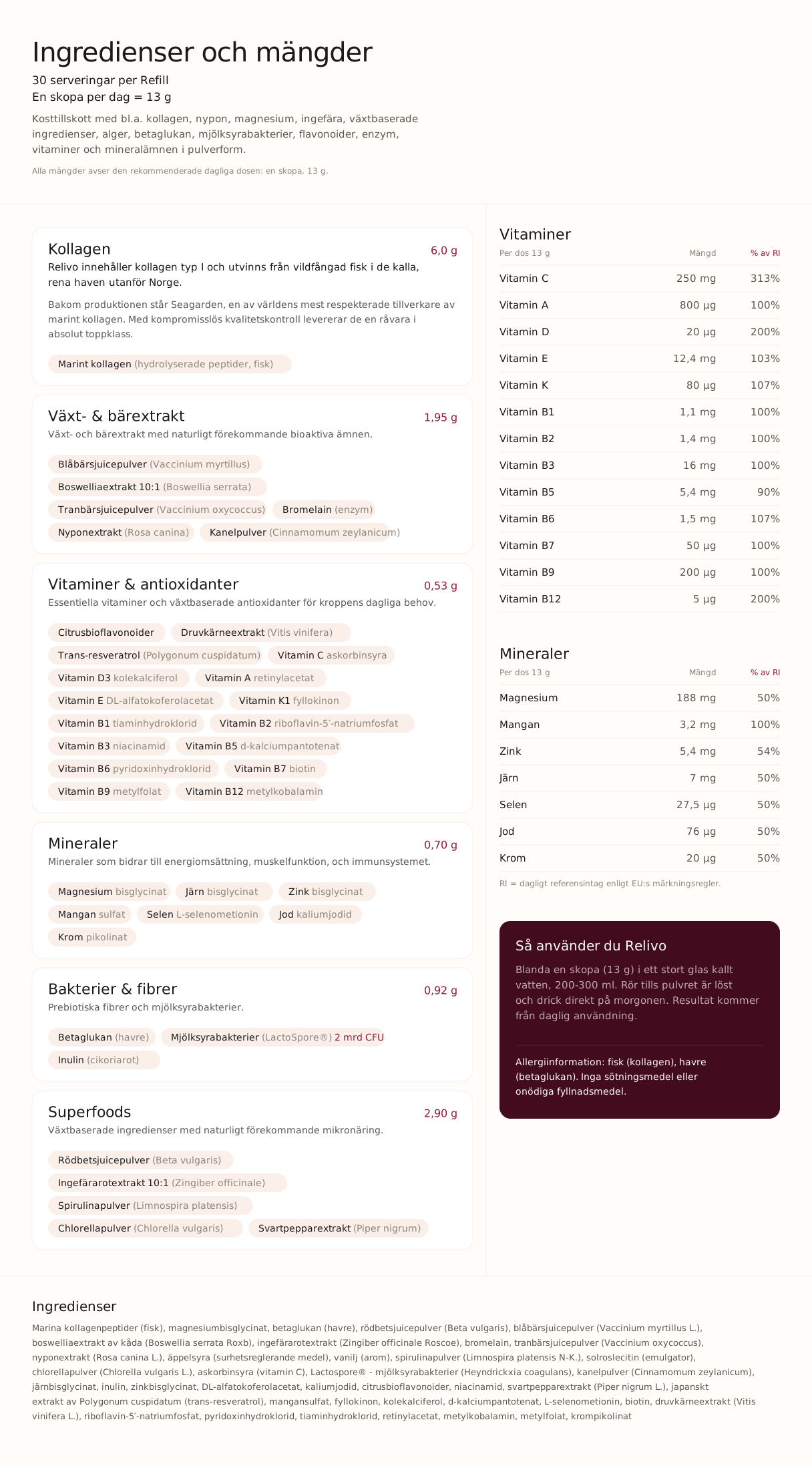
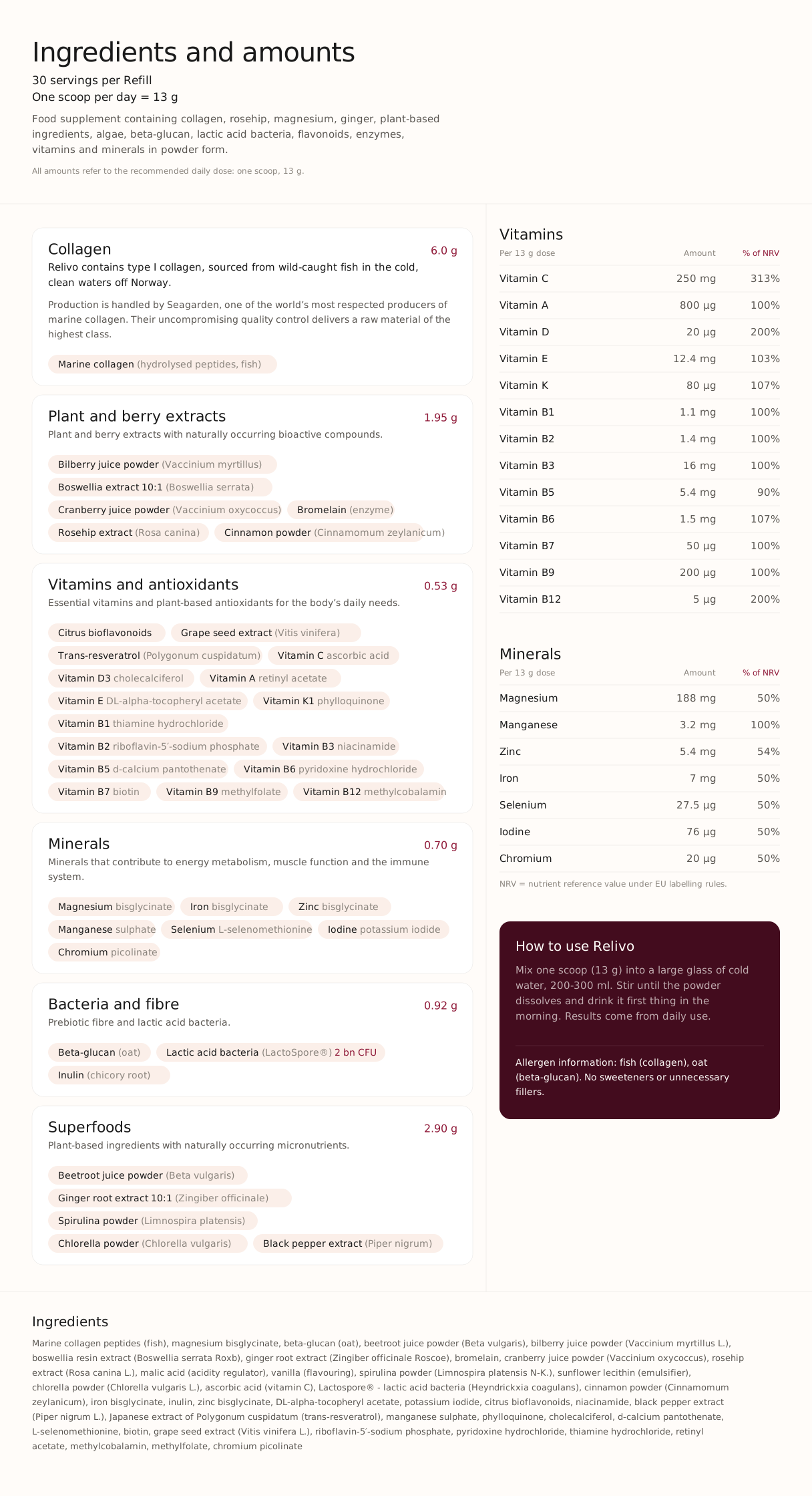
Relivo is a complete daily nutritional supplement developed in collaboration with Swedish researchers and nutritionists. Relivo combines 38 carefully selected nutrients that support the body's most important systems and structures.
Everything is contained in a single scoop of powder, designed to be easy to use and simple to incorporate into your daily routine. Relivo mixes in 60 seconds and serves as a long-term nutritional foundation for energy, immune health, gut health, muscles, and joints.
Sources
- Soares CN – Depression and Menopause: Current Knowledge and Clinical Recommendations
- Freeman EW – Associations of hormones and menopausal status with depressed mood in women
- Cagnacci A et al. – The controversial history of hormone replacement therapy
- Boyle NB et al. – The effects of magnesium supplementation on subjective anxiety and stress—a systematic review
- Kennedy DO – B Vitamins and the Brain: Mechanisms, Dose and Efficacy (Nutrients)
- Anglin RE et al. – Vitamin D deficiency and depression in adults: systematic review
- Riecher-Rössler A – Sex and gender differences in mental disorders
- Aljedaani S et al. – Nutrition and menopause: a comprehensive review
- EFSA – Magnesium and normal psychological function
- 1177 Vårdguiden – Menopause