The heart and nutrition – what actually supports the cardiovascular system
The heart beats around 100,000 times a day without a single break. Here, we explain the connection between the heart and nutrition – and what truly supports the cardiovascular system.

Introduction
Few organs work as hard as the heart. It pumps non-stop, around the clock, year after year, yet we rarely consider what it needs to keep going.
The connection between the heart and nutrition is one of the most studied areas in all of dietary research. At the same time, it's a field full of myths and hasty conclusions.
In this article, we look at what actually supports the cardiovascular system, and what is mostly noise. We'll stick to what research is reasonably in agreement about.
How the cardiovascular system works, in brief
To understand the role of nutrition, it helps to know how the system is connected. The heart is a muscle that pumps blood through a network of vessels.
Blood transports oxygen and nutrients to every cell, and carries away waste products. The vessels range from large arteries to fine capillaries.
This entire system relies on blood pressure, blood lipids, and vessel walls functioning correctly. And that's precisely where nutrition comes into play.
Nutrition the cardiovascular system loves
There's no single super ingredient for the heart. Instead, it's about a pattern of habits and nutrients that work together.
Here are the building blocks where research is clearest. Note that this is about supporting normal function – not about miracles.
Omega-3 (EPA and DHA)
The long-chain omega-3 fatty acids EPA and DHA are among the most researched for the cardiovascular system. According to EFSA, EPA and DHA contribute to the normal function of the heart with a daily intake of approximately 250 mg.
You'll find them primarily in fatty fish like salmon, mackerel, and herring. If you rarely eat fish, this is one of the nutrients most likely to be insufficient.
A tip is to aim for fish two to three times a week. For those who don't eat fish at all, there are plant-based and marine alternatives to explore.
Fiber
Fiber is the cardiovascular system's silent hero. Soluble fiber, such as beta-glucan from oats, contributes to maintaining normal blood cholesterol levels, according to EFSA.
Despite this, most Swedes eat too little fiber. Whole grains, legumes, vegetables, and fruit are the easiest ways to get more.
Magnesium and potassium
Magnesium contributes to normal muscle function, and the heart is, after all, a muscle. Potassium, on the other hand, helps maintain normal blood pressure, according to EFSA.
Both minerals are easy to miss if your diet is one-sided. Green leafy vegetables, nuts, legumes, and fruit are good sources.
Many also consume too much sodium and too little potassium, which makes the balance between them particularly interesting. Swapping some salt for more fruits and vegetables is a simple step in the right direction.
Antioxidants and Polyphenols
Blood vessel walls are constantly exposed to oxidative stress. Antioxidants like vitamins C and E, as well as plant polyphenols, are part of the body's counterbalance to this.
Berries, colorful vegetables, olive oil, and nuts are classic sources. Think breadth and color rather than individual miracle foods.
The whole is greater than its individual parts - think in terms of dietary patterns.
If there's one thing research agrees on, it's that the whole means more than individual nutrients. That's why dietary patterns are increasingly studied instead of isolated vitamins.
The so-called Mediterranean diet is the most researched pattern for the cardiovascular system. It is based on vegetables, legumes, whole grains, fish, nuts, and olive oil, with less red meat and sugar.
The point isn't to copy a country, but to follow the principles. Lots of plant-based foods, good fats, regular fish, and moderate amounts of what's detrimental.
The beauty of thinking in patterns is that it removes the pressure of individual choices. A single meal doesn't determine anything – it's the direction over weeks and years that shapes the cardiovascular system.
Foods that are detrimental to the cardiovascular system
Just as important as what you add is what you cut back on. Certain patterns are detrimental over time, even if a single meal rarely matters.
A high salt intake can affect blood pressure in many people. Gradually getting used to less salt is one of the most concrete changes you can make.
A lot of sugar and ultra-processed foods are often associated with a pattern that doesn't benefit the cardiovascular system. It's rarely about individual foods, but about the overall picture over time.
Trans fats are an exception where the research is unusually clear. They are now found in small amounts in Swedish food, but are worth keeping to a minimum where they occur.
At the same time, it's easy to overstate the concern. Eating something "wrong" occasionally is completely normal – it's the everyday pattern the rest of the time that matters most.
Daily habits beyond food
Nutrition is one piece of the puzzle, but not the whole picture. The heart is affected at least as much by how you live otherwise.
Regular physical activity is one of the strongest factors. You don't need to train hard – brisk walks and everyday movement make a big difference.
Sleep and stress also weigh heavily. Chronic stress and insufficient sleep take a toll on the body's resources, and the cardiovascular system is no exception.
And then, the most obvious: smoking is one of the clearest strains on the blood vessels. No diet in the world can make up for it.
Where Relivo fits in
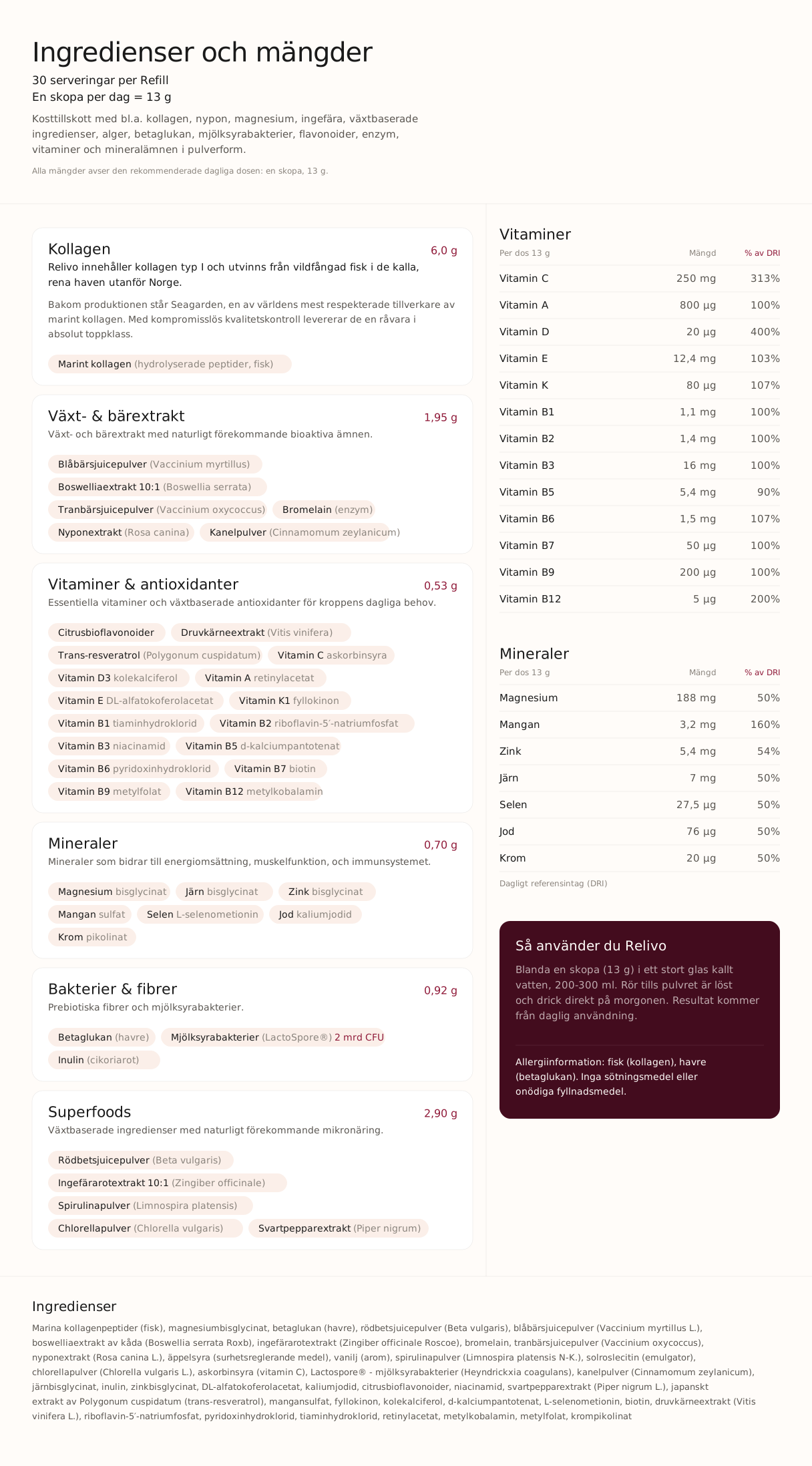
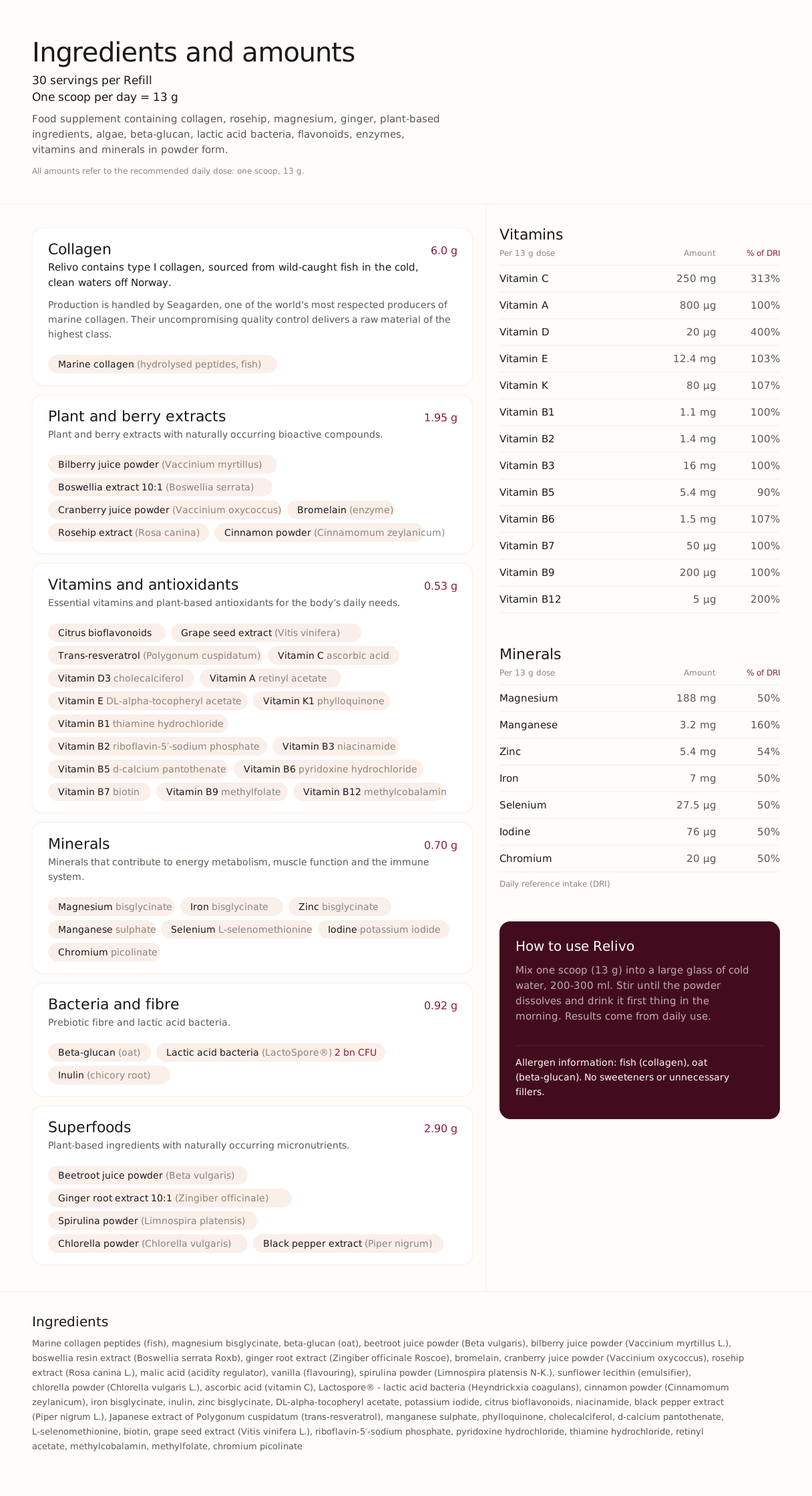
The idea behind Relivo is to provide the body with a broad foundation of vitamins and minerals in a daily serving. Several of them are involved in the normal function of the cardiovascular system.
Relivo, for example, contains magnesium and B vitamins. Thiamine, one of the B vitamins, contributes to the normal function of the heart according to EFSA.
It's worth being honest: a dietary supplement never replaces a varied diet, exercise, and sleep. It's a complement that can help fill gaps, not a shortcut.
Summary
The connection between the heart and nutrition is not about a single ingredient, but about a pattern. Omega-3, fiber, magnesium, potassium, and a range of antioxidants are the building blocks most clearly highlighted by research.
Equally important is to cut down on salt, sugar, and ultra-processed foods, and to exercise, sleep, and keep stress in check. It's the sum of habits over time that counts.
You cannot control everything that affects the cardiovascular system. But you can provide your heart with excellent conditions to continue its tireless work.
Sources
- EFSA – EPA and DHA and normal heart function
- EFSA – Beta-glucan and maintenance of normal cholesterol levels
- EFSA – Potassium and normal blood pressure
- EFSA – Health claims on vitamins and minerals
- 1177 Vårdguiden – How the heart and circulatory system work
- Livsmedelsverket – Cardiovascular disease and diet
- WHO – Cardiovascular diseases (CVDs)