B12 deficiency – symptoms, causes, and risk groups
Vitamin B12 deficiency is tricky. Symptoms creep up on you, are easy to blame on stress or poor sleep, and can persist for a long time before the penny drops. Here is what you need to know about the signs, causes, and who is at risk.

Introduction
B12 is one of those vitamins that rarely gets any attention until something goes wrong. It works quietly on major tasks, which is precisely why a deficiency is often only noticed once it has been going on for a while.
The tricky part is that the symptoms are vague and easy to explain away. Fatigue is blamed on lack of sleep, forgetfulness on stress, and tingling on an awkward sleeping position. Individually, they all sound harmless.
That is why it is worth understanding what a B12 deficiency looks like, why it occurs, and who needs to be extra vigilant.
What B12 does in the body
B12, or cobalamin, is a water-soluble vitamin with two central roles. It is required for the formation of red blood cells and for the normal function of the nervous system.
Red blood cells transport oxygen throughout the body. If their production does not function as it should, the cells become fewer and larger than normal, and oxygen transport becomes less efficient—which is why fatigue is such a common early sign.
The nervous system is the other major player. B12 is needed for the protective coating around nerve fibers, which is the link to the neurological symptoms that a deficiency can cause.
Common symptoms
Symptoms of B12 deficiency usually develop gradually, making them easy to miss. They are generally divided into two groups.
Physical signs
Fatigue and lack of energy are the most common, often accompanied by shortness of breath and pale skin. Some notice heart palpitations during exertion, sore or fragile mucous membranes in the mouth, and altered taste.
These types of symptoms are linked to red blood cells and oxygen transport. They creep up on you and easily become a part of everyday life before you react.
Signs from the nervous system and mood
The second group concerns the nerves and the brain. Numbness or tingling in the hands and feet, impaired balance, difficulty concentrating, and a feeling of brain fog belong here.
Memory and mood can also be affected, with forgetfulness and low spirits. It is the neurological symptoms that make early detection important, as they take longer to reverse.
Why deficiency occurs
B12 deficiency is rarely due to a single cause. Three main factors are usually highlighted.
The first is low intake. B12 is found naturally almost exclusively in animal products, so those who eat few or no animal products get less of it.
The second factor is impaired absorption. To absorb B12, the stomach must produce a substance called intrinsic factor, and absorption can become less efficient due to certain gastrointestinal conditions, stomach or intestinal surgeries, or simply as a result of aging.
The third factor is increased loss or higher requirements, such as during certain medical conditions, pregnancy, or breastfeeding. Often, it is a combination of factors rather than a single cause.
Who is at risk
Certain groups are at a clearly higher risk and should be extra vigilant.
Vegans and vegetarians who do not take supplements are one of the most obvious groups, as dietary sources are almost exclusively animal-based. For them, a B12 supplement is essentially a fundamental requirement.
Older adults are another large group. Absorption tends to decline with age, and estimates suggest that a significant proportion of people over 50–60 have low or suboptimal levels.
This also includes people with gastrointestinal conditions that affect absorption, those who have undergone certain stomach or intestinal surgeries, and those who have long-term use of certain medications for conditions like diabetes or acid reflux. Pregnant and breastfeeding individuals also have increased needs.
Where to find B12 in food
Since B12 primarily comes from animal sources, it is helpful to know where it is found. Meat, fish, shellfish, eggs, and dairy products are the most important sources.
Liver and shellfish, such as mussels, are among the richest sources. For those eating a plant-based diet, there are fortified products, but the amounts vary, which is why supplements are often the most reliable way to meet your needs.
Why deficiency is often missed
A major part of the problem is that the body is forgiving in the short term. The liver stores B12, and these stores can last for several years before symptoms become apparent. This means a deficiency can build up slowly, long before you notice it.
Furthermore, when symptoms do appear, they are non-specific. Fatigue, forgetfulness, and low mood can be caused by a variety of things, and B12 is rarely the first thing that comes to mind. Add to that the fact that changes occur gradually, and it is easy to get used to a new normal without reacting.
This is precisely why knowledge about risk groups is so valuable. If you know you belong to one of them, it is easier to catch the signs early.
When you should get tested
This is important: B12 deficiency is not something you should guess at or try to resolve on your own. If you suspect a deficiency, a blood test is the way forward.
If you recognize several of the symptoms above, especially if you belong to a risk group, it is reasonable to contact your healthcare provider for testing. This is particularly true for neurological signs like numbness and balance issues, as these need to be addressed in a timely manner.
A confirmed deficiency is managed by healthcare professionals, sometimes with high-dose supplements or other measures depending on the cause. The point of diet and supplements is to support normal levels over time—not to replace a medical evaluation when something is actually wrong.
Summary
B12 deficiency creeps up on you. Fatigue, tingling, brain fog, and low mood are common signs, and the cause is usually low intake, impaired absorption, or increased requirements.
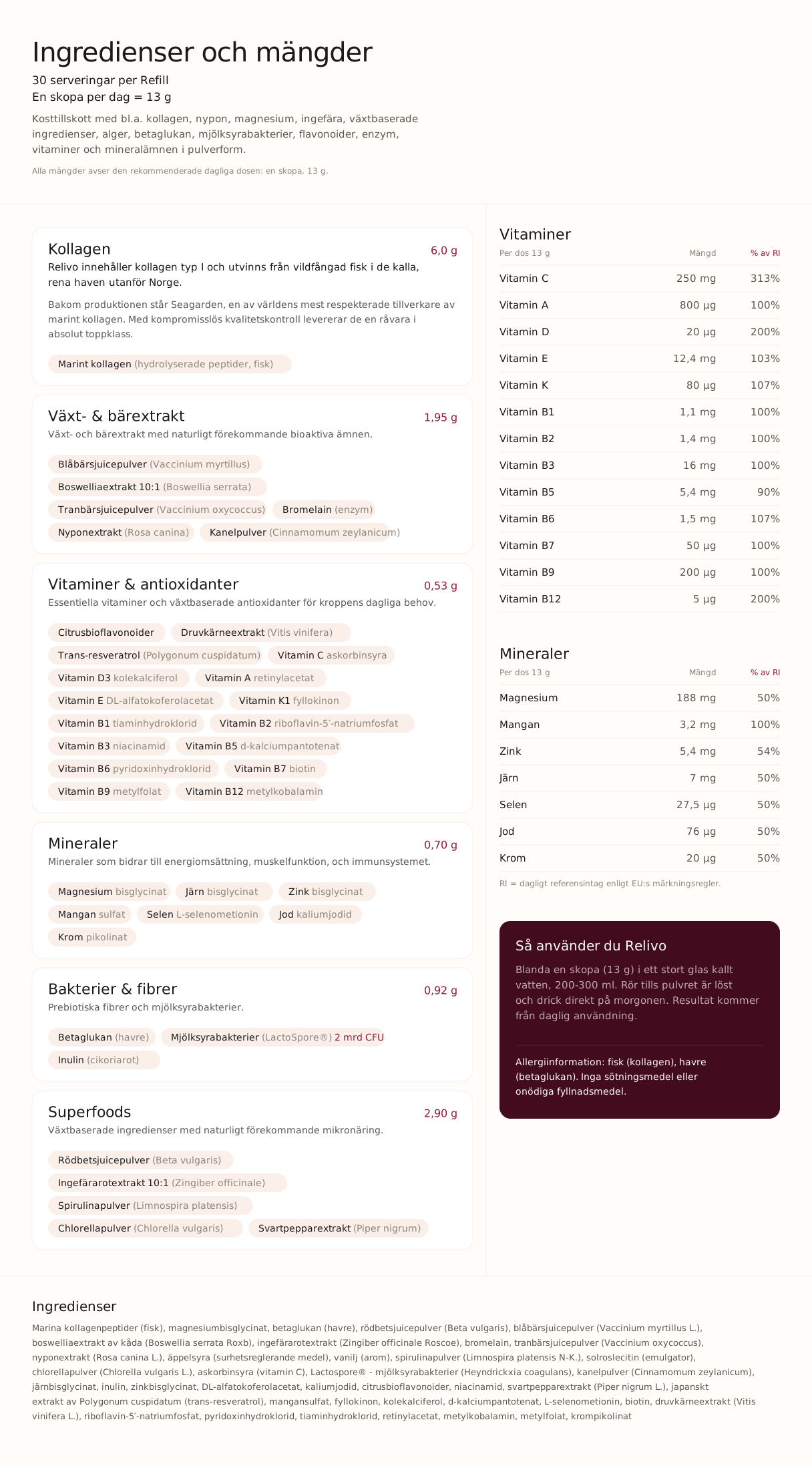
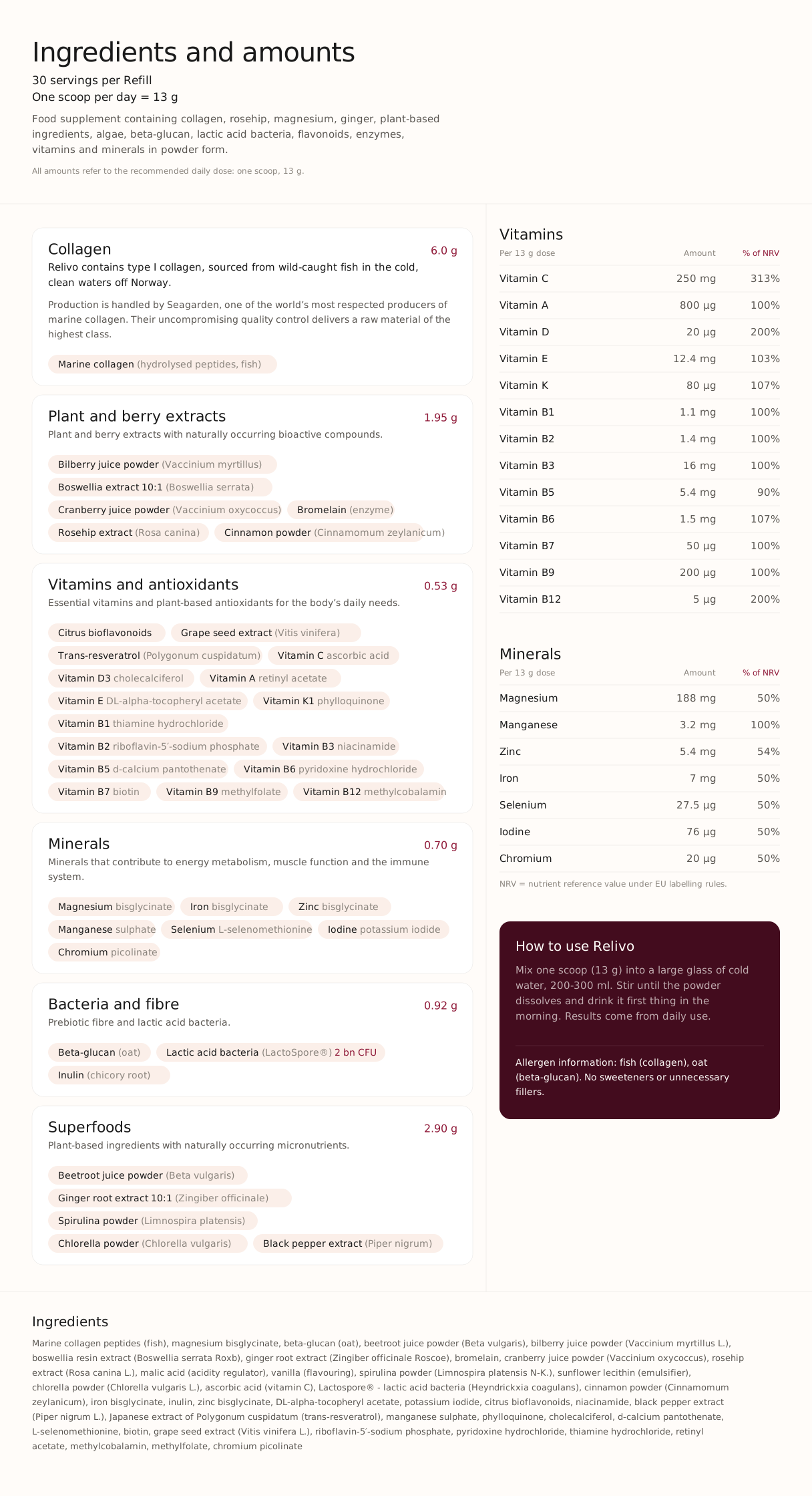
Vegans, the elderly, and those with gastrointestinal issues are at risk. If you suspect a deficiency, get tested—don't guess. And if you want to ensure a steady daily intake as part of your diet, B12 is one of the building blocks in the Relivo formula.
About Relivo
Relivo is a complete daily nutritional supplement developed in collaboration with Swedish researchers and nutritionists. Relivo combines 38 carefully selected nutrients that support the body's most important systems and structures.
Everything is contained in a single scoop of powder, designed to be simple to use and easy to incorporate into your daily routine. Relivo mixes in 60 seconds and serves as a long-term nutritional foundation for energy, immune function, gut health, muscles, and joints.
Sources
- 1177 Vårdguiden – B12 deficiency and anemia: https://www.1177.se
- National Food Agency (Livsmedelsverket) – Vitamin B12: https://www.livsmedelsverket.se/livsmedel-och-innehall/naringsamne/vitaminer-och-antioxidanter/
- Internetmedicin – B12 and folate deficiency: https://www.internetmedicin.se/allmanmedicin/b12-och-folatbrist-utan-anemi
- EFSA Journal – Health claims for vitamin B12 (normal energy-yielding metabolism, nervous system, reduction of tiredness and fatigue)
- NIH Office of Dietary Supplements – Vitamin B12: https://ods.od.nih.gov/factsheets/VitaminB12-HealthProfessional/
- Relivo – Ingredients and research: https://www.relivo.se/en/forskning