Autophagy explained - the cells' spring cleaning and why it happens
Your body's cells have a built-in recycling system that kicks in during fasting, exercise, and cold exposure. Here is autophagy explained—without the hype and based on what the research actually shows.
Introduction
In 2016, Japanese molecular biologist Yoshinori Ohsumi was awarded the Nobel Prize in Physiology for his work on a process with the somewhat cryptic name of autophagy. Since then, the term has made its way out of the laboratory and into podcast studios, biohacker forums, and social media—usually accompanied by promises that exceed what the research has been able to substantiate.
So, what is autophagy, really? And just as importantly: what is it not? In this guide, we walk through what actually happens inside your cells, where the hype comes from, which lifestyle factors trigger autophagy, and how you can approach it practically without falling for exaggerated claims.
What is autophagy, really?
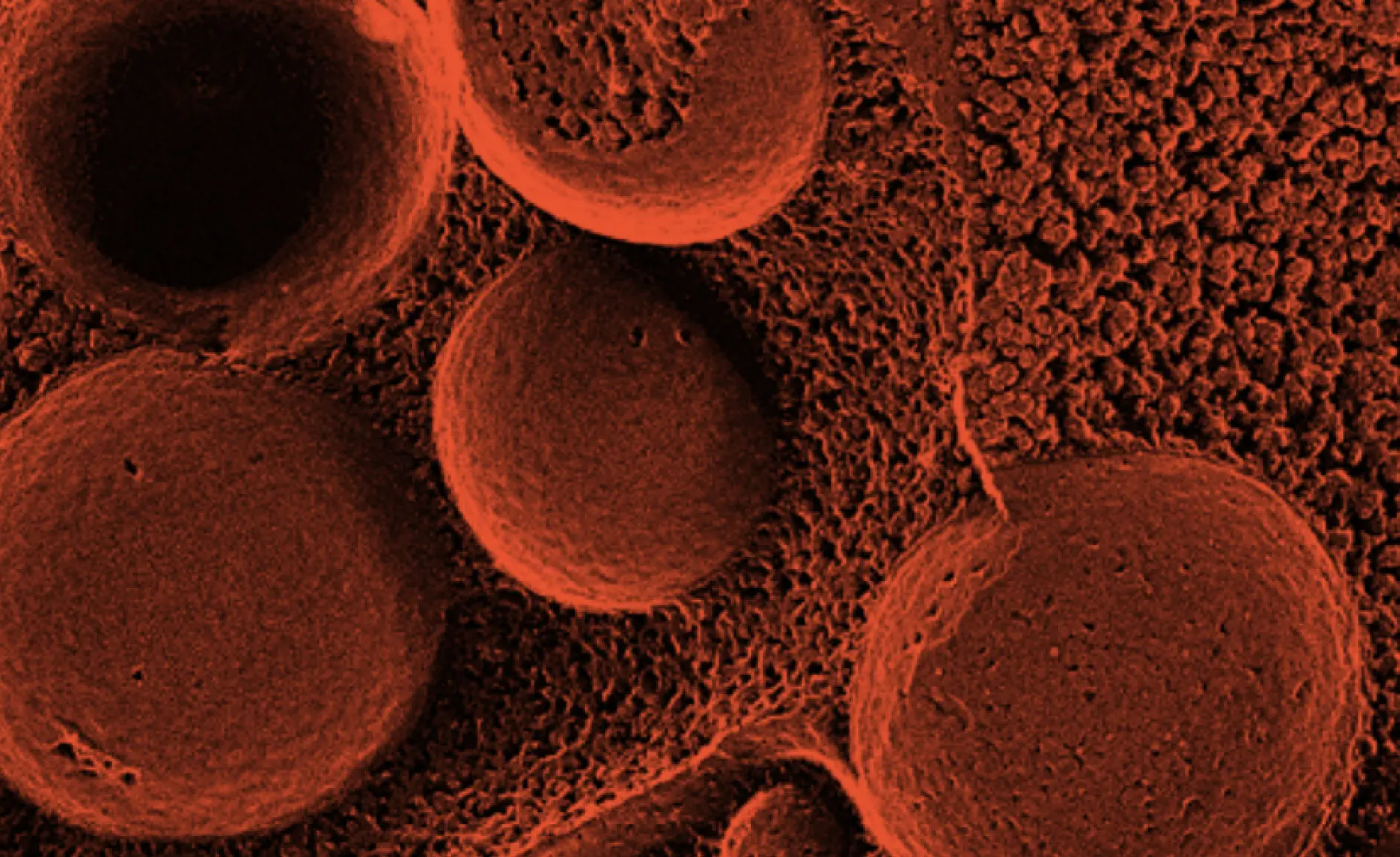
Autophagy comes from the Greek "auto" (self) and "phagein" (to eat). Literally, it means "self-eating"—and that is exactly what it is. Autophagy is the process by which cells break down and recycle their own components: damaged proteins, old organelles, and debris that has accumulated over time.
Think of it as the cell's cleanup day. Building materials are packed up, transported to a recycling station (the lysosome), broken down into their basic components, and then used to build new parts of the cell.
Without autophagy, cellular debris would accumulate, function would decline, and aging would accelerate. With well-functioning autophagy, cellular quality is maintained, energy production remains strong, and the body can handle stress more effectively.
The Nobel Prize that put autophagy on the map
Yoshinori Ohsumi was awarded the Nobel Prize in Physiology or Medicine in 2016 for his career-long research into how autophagy functions at a molecular level. His work demonstrated, among other things, that autophagy is essential for cell survival under stress—and that deficiencies in the process are linked to a range of conditions, from neurodegenerative to metabolic.
The prize provided more than just scientific recognition; it gave autophagy a level of fame that few cellular processes ever achieve. Since then, interest from the scientific community, industry, and consumers has grown significantly.
As with all trends, this has also opened the door to exaggerations. Let’s therefore take a look at what the research actually says about what triggers autophagy.
What triggers autophagy?
Autophagy is constantly occurring at a low level, but it is upregulated during stress—both good and bad. Here are the most well-documented triggers:
1. Fasting—the most studied trigger
When the body runs out of nutrients in the system, autophagy increases as an adaptive strategy. Mouse models and cell studies show clear effects, but exactly how much time is required in humans is still a subject of active research.
Most researchers suggest that somewhere after 16–20 hours of fasting, autophagy begins to be noticeably upregulated in humans. Longer fasts (24–72 hours) appear to produce stronger effects, but come with other trade-offs.
2. Exercise—autophagy through physical exertion
Physical activity, particularly endurance training and heavier strength training, activates autophagy in the muscles. This is part of the explanation for why regular exercise provides such broad health benefits.
Even moderate exercise—such as Zone 2 training—contributes. If you want to dive deeper, you can read Zone 2 training – the research behind the trend.
3. Calorie restriction
Consistently eating slightly less than your estimated needs is one of the oldest proven methods for extending lifespan in animal studies. One of the mechanisms appears to be increased autophagy.
Note: this applies to mild calorie restriction over a long period – not extreme dieting, which has the opposite effect.
4. Heat stress (sauna)
Regular sauna use has been linked in studies to the activation of heat shock proteins, which in turn interact with autophagy processes.
This is one of several reasons why saunas are frequently mentioned in longevity literature.
5. Cold exposure
Short-term exposure to cold – cold plunges, ice-cold showers – activates similar stress response pathways as heat stress and appears to have some shared effects on autophagy-related signaling pathways.
6. Certain polyphenols and plant compounds
Substances such as spermidine (from wheat germ, natto, and certain cheeses), resveratrol (grapes), curcumin (turmeric), and EGCG (green tea) have shown autophagy-promoting properties in cells and animals. However, the effect in humans from diet is likely milder than some marketing claims suggest.
What autophagy is NOT
Now for the important part: the nuance.
Autophagy is not a universal solution that "cures" aging. It is not a switch you turn on and off. It is not something that only happens during fasting. And it is not without risks if overdone.
Unnecessarily long fasts, extreme calorie restriction, or overtraining with the goal of maximizing autophagy can create more problems than they solve: loss of muscle mass, hormonal imbalances, nutritional deficiencies, and impaired recovery. Autophagy should be part of a holistic approach – not a standalone savior.
Who is an autophagy-oriented lifestyle NOT for?
Certain groups should be cautious with aggressive fasting or calorie restriction:
- Pregnant and breastfeeding women – increased nutritional needs
- People with a history of eating disorders - may trigger a relapse
- Children and teenagers - development requires a stable supply of nutrients
- People with diabetes - blood sugar fluctuations can be dangerous
- People with burnout syndrome - additional stress does not help the body
If you are unsure, talk to a doctor or dietitian before experimenting.
Practical ways to support autophagy in everyday life
For those who want to work with autophagy without going to extremes:
1. Consider a simple time-restricted eating model (14–16 hour fast). Simply eating between 8 am and 8 pm (or 10 am and 6 pm) is an accessible way to get some fasting effects without the drama.
2. Exercise regularly - preferably with varied intensity. Mix Zone 2, strength training, and slightly more intense sessions.
3. Eat plenty of plant-based foods containing polyphenols. Berries, green tea, turmeric, dark chocolate, extra virgin olive oil, and spices.
4. Sauna 2–4 times a week. 20 minutes per session is a proven starting point.
5. Get enough sleep. Deep sleep is one of the windows when autophagy in the brain is at its most active.
6. Avoid snacking throughout the day. Constant nutrient intake prevents the fasting-like signal that triggers autophagy.
Summary
Autophagy is the body's cellular recycling process—a well-documented, essential, and Nobel Prize-winning mechanism. It is triggered by fasting, exercise, calorie restriction, heat, cold, and certain plant compounds. It helps maintain cellular quality over time and is one of several processes behind what is commonly referred to as healthy aging.
About Relivo
Relivo is a complete daily nutritional supplement developed in collaboration with Swedish researchers and nutritionists. Relivo combines 38 carefully selected nutrients that support the body's most important systems and structures.
Everything is contained in one scoop of powder, developed to be simple to use and easy to incorporate into your daily routine. Relivo mixes in 60 seconds and serves as a long-term nutritional foundation for energy, immune function, gut health, muscles, and joints.
Sources
- The Nobel Prize in Physiology or Medicine 2016 – Yoshinori Ohsumi
- Mizushima N, Komatsu M – Autophagy: Renovation of Cells and Tissues (Cell)
- Levine B, Kroemer G – Biological Functions of Autophagy Genes: A Disease Perspective
- Bagherniya M et al. – The effect of fasting or calorie restriction on autophagy induction
- Escobar KA et al. – Autophagy and aging: Maintaining the proteome through exercise and caloric restriction
- Madeo F et al. – Spermidine in health and disease (Science)
- Rubinsztein DC et al. – Autophagy and Aging (Cell)
- Anton SD et al. – Flipping the Metabolic Switch: Understanding and Applying the Health Benefits of Fasting
- Laukkanen JA et al. – Cardiovascular and Other Health Benefits of Sauna Bathing (Mayo Clinic Proceedings)
- Swedish Food Agency – Dietary Guidelines