What supplements are good for sleep?
Sleep is crucial for the body's recovery and mental balance. Here we go over which supplements, according to research, are often linked to the normal processes of sleep.

Introduction
Sleep is regulated by a complex interplay of the nervous system, hormones and circadian rhythm. For these processes to function normally, access to specific nutrients is required.
Diet, stress and lifestyle affect sleep quality. Dietary supplements are often used as a supplement when dietary intake is not optimal.
But which supplements are actually good for sleep?
Which supplements are good for sleep according to research?
Research in nutrition and sleep science shows that several vitamins and minerals are involved in the normal functioning of the nervous system and in the processes linked to relaxation and recovery.
The focus is not on rapid or acute effects, but on long-term support for the body's own systems.
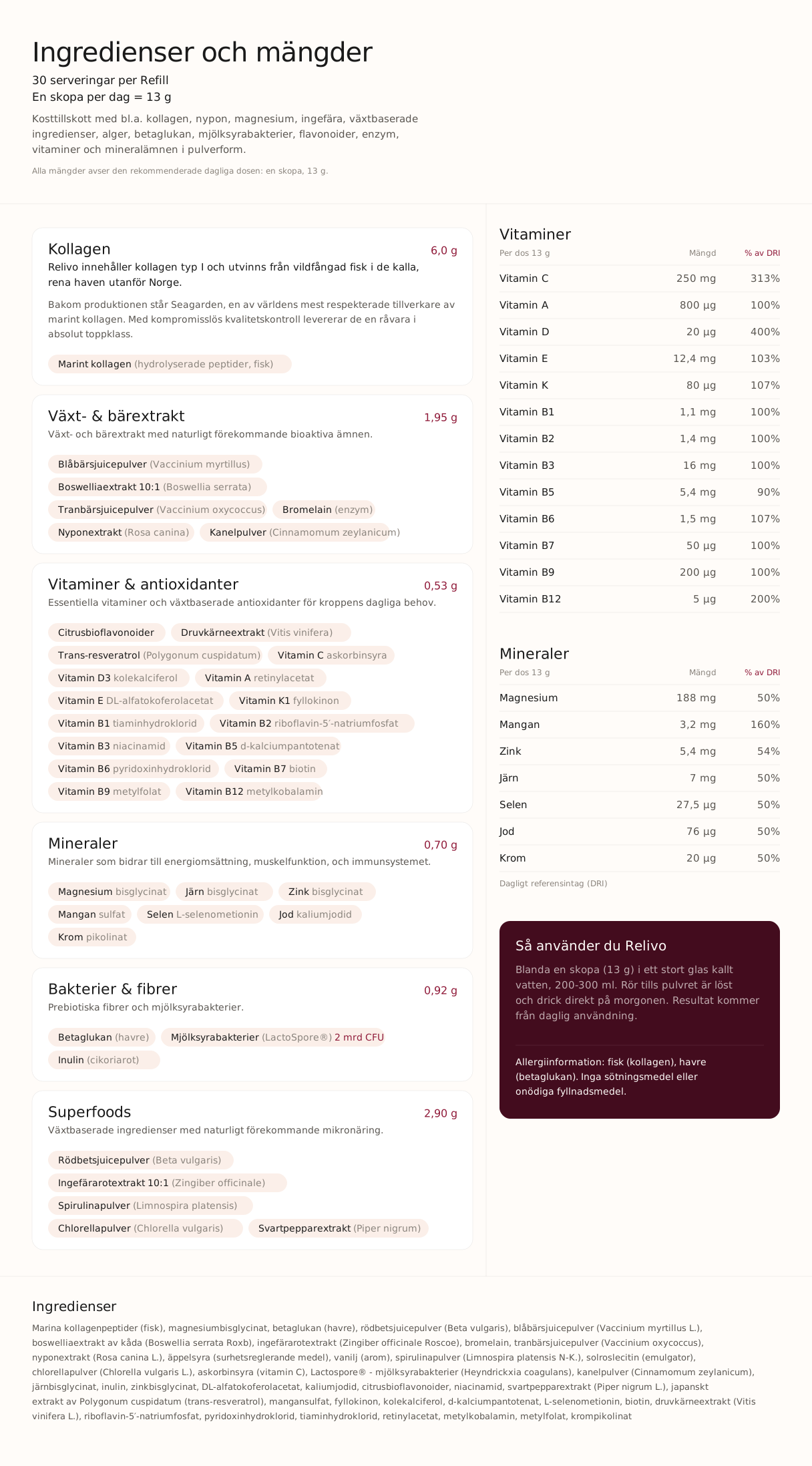
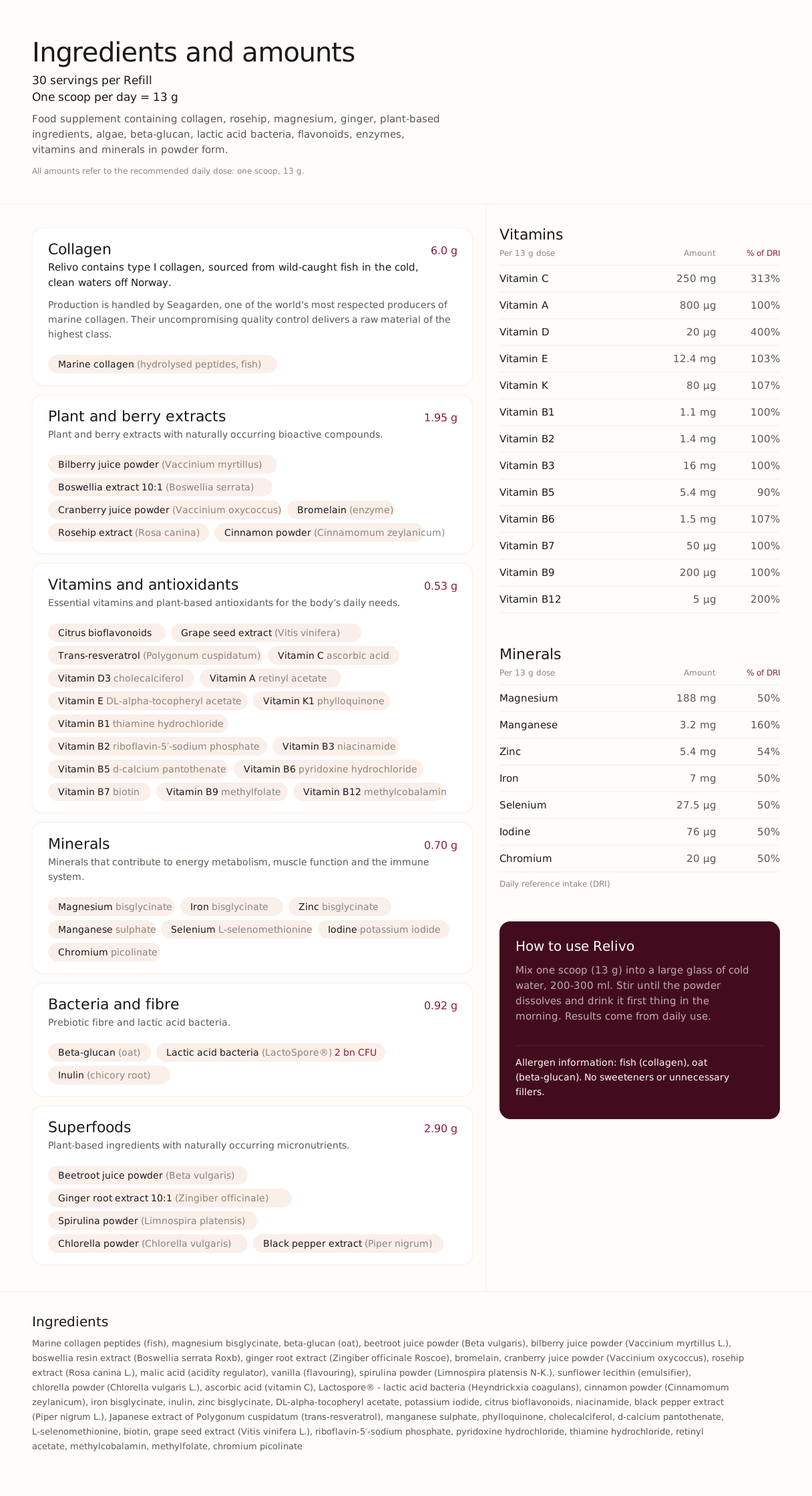
Magnesium bisglycinate - one of the most studied minerals
Magnesium contributes to the normal functioning of the nervous system and to normal psychological functioning.
It is involved in the regulation of muscle and nerve signaling.
Studies show that magnesium is often investigated in relation to relaxation and evening routines.
Intake may vary depending on diet and stress level.
Vitamins B6 and B12 - vitamins of the nervous system
Vitamin B6 contributes to normal psychological functioning and to the normal functioning of the nervous system.
It is also involved in the metabolism of neurotransmitters.
Vitamin B12 contributes to the normal functioning of the nervous system and normal energy metabolism. B vitamins are often studied together rather than in isolation.
Collagen and glycine - building blocks for the recovery of the body
Collagen is a structural protein that forms an important part of the body's connective tissue, including joints, muscles, and skin. It is also one of the most abundant proteins in the body.
Collagen is largely made up of amino acids, with glycine being the most dominant.
Glycine not only serves as the building block of protein, but also has a role in the body's normal nerve signaling as a neurotransmitter in the central nervous system.
Research around collagen and glycine focuses primarily on their role in body structure, load resistance and recovery.
These processes are closely linked to rest and sleep from a holistic perspective, where the body's repair and building work takes place to a large extent during the night.
Zinc and sleep-related processes
Zinc contributes to the normal functioning of the nervous system and to normal cognitive function.
Research is also investigating the role of zinc in hormonal and neurological processes linked to sleep.
Zinc is often found in combination with magnesium and vitamin B6.
Bioavailability and dosage
The shape of a nutrient affects how well the body can absorb it. Dosage is especially relevant in evening use.
Research often compares different forms of magnesium, amino acids and vitamins.
A system, not a single ingredient
Sleep and recovery are the result of several interacting processes in the body. Nervous systems, muscles, connective tissue and energy metabolism affect each other and do not work in isolation.
Relivo is formulated from this particular system perspective.
By combining carefully selected minerals, vitamins, amino acids and structural building blocks in bioavailable forms, Relivo supplies the nutrients that the body uses in its normal recovery and rest processes.
It is not an evening supplement and not a shortcut to sleep. It is a daily nutritional foundation, developed to support the functions of the body over time - even those essential for recovery and rest.
Summary
Which supplements are good for sleep depends on which nutrients support the normal functioning of the nervous system and circadian rhythm. Research points primarily to minerals, vitamins and amino acids.
A long-term and fact-based approach provides the best conditions for informed choices.
Sources
- EFSA Panel on Dietetic Products, Nutrition and Allergies. Scientific opinions on magnesium, vitamin B6, melatonin and sleep.
- National Institutes of Health (NIH). Dietary Supplement Fact Sheets: Magnesium, Melatonin, Vitamin B6, Zinc.
- Zisapel N. Melatonin and sleep. The Open Neuroendocrinology Journal.
- by Baaij JHF et al. Magnesium in man: implications for health and disease. Physiological Reviews.
- Lyon MR et al. Effects of L-theanine on stress and sleep. Journal of the American College of Nutrition.