Sleep and recovery - why the night is crucial for your health
Sleep and recovery are the foundation of how we function in everyday life. When the night gets the right conditions, both energy, focus and balance are affected the next day.

Introduction
In a society where the pace is high, it is easy to prioritize sleep. Many people see the night as something that can be shortened to get more time.
However, the facts show that sleep and recovery are crucial to the functioning of the body and brain. Night is not passive — it is when the body gets the opportunity to restore and sort the impressions of the day.
What happens in the body during the night?
When we sleep, the body switches between different phases of sleep. Each phase fulfills its own function linked to recovery and balance.
During the night, energy regulation, mental processing and physical recovery take place, among other things. Sleep and recovery are therefore closely interconnected and difficult to replace with daytime rest.
The importance of sleep for energy and focus
How we sleep affects how we experience the next day. Insufficient or irregular sleep can make focus and stamina feel lower.
Research shows that the brain needs sleep to sort information and create structure. When sleep and recovery are prioritized, many experience greater clarity in everyday life.
Recovery is more than just sleeping
Although night sleep is central, recovery occurs on more levels. The pace and habits of the evening affect how well the body unwinds.
Recovery is about the transition between day and night. A calmer pace in the evening can make it easier for the body to go into rest.
Common factors affecting sleep
Light exposure, especially from screens, can disrupt the body's natural circadian rhythm. Even late meals, caffeine and irregular times matter.
Sleep and recovery often benefit from predictability. When the body knows what to expect, the transition to night becomes smoother.
Evening routines that support recovery
A consistent evening routine signals to the body that the day is coming to an end. It can be about dim lighting, quiet music or quiet activities.
Small changes can make a big difference over time. Sleep and recovery are often bolstered by habits that are easy to keep, rather than ambitious plans.
Sleep's connection to mental balance
During the night, the brain processes the impressions of the day. It is an important part of how we deal with stress and emotional experiences.
When sleep and recovery are given adequate space, many experience greater mental stability. It's not about perfect nights, it's about the big picture over time.
How much sleep do you really need?
The need for sleep varies between individuals. Most adults feel best from regular sleep of sufficient duration and quality.
The most important thing is often continuity. Regular times can be at least as significant as the number of hours.
Small adjustments that can improve the night
Getting up the same time every day can help the body find rhythm. Even daylight early in the day matters for circadian rhythm.
Sleep and recovery are often bolstered by overall changes rather than individual actions. It's about the interplay between day and night.
Summary
Sleep and recovery are not something you “indulge in” when there is time. It is a fundamental part of sustainable living.
By giving the night the right conditions, you can create a better balance in everyday life. This is often where the real recovery begins.
About Relivo
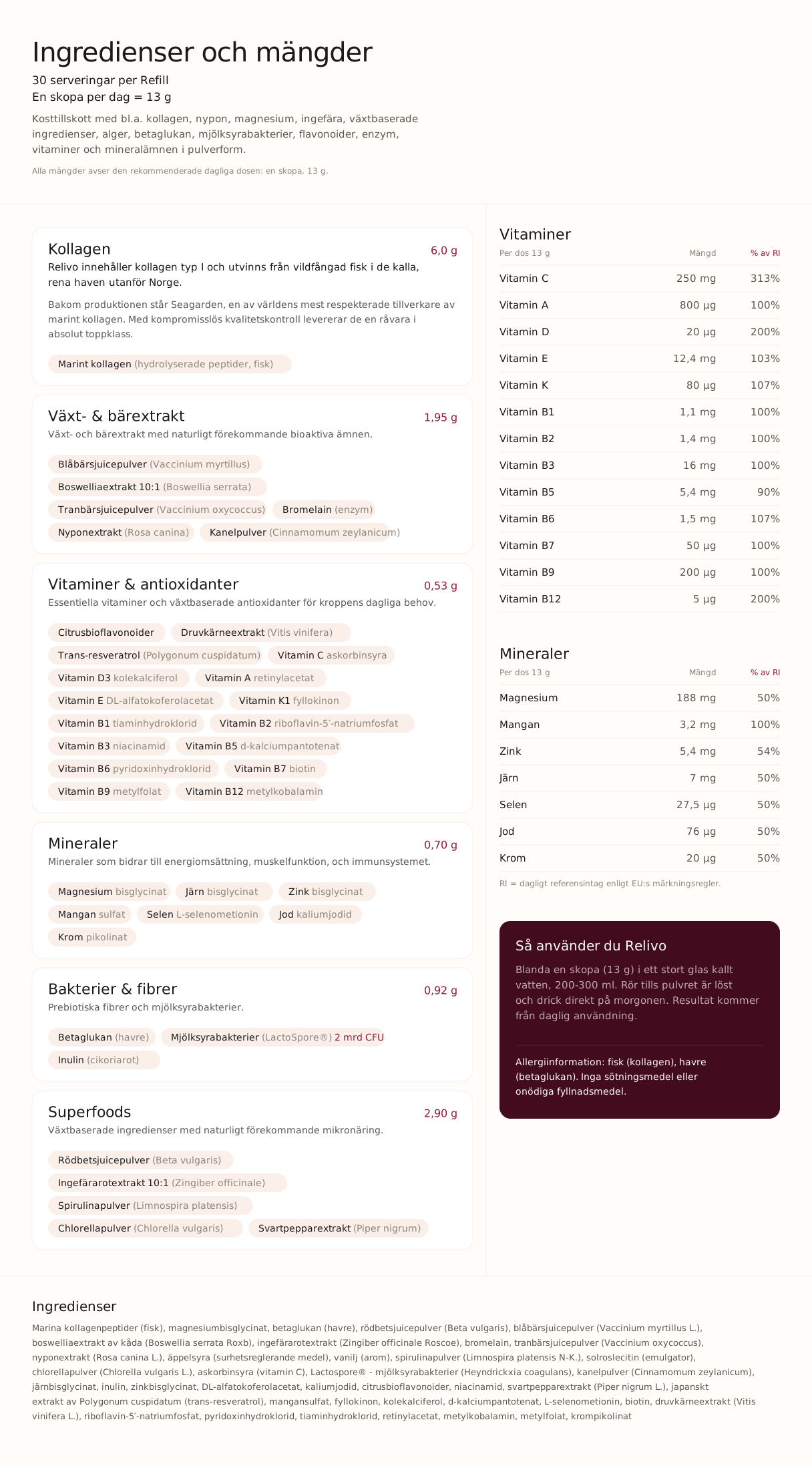
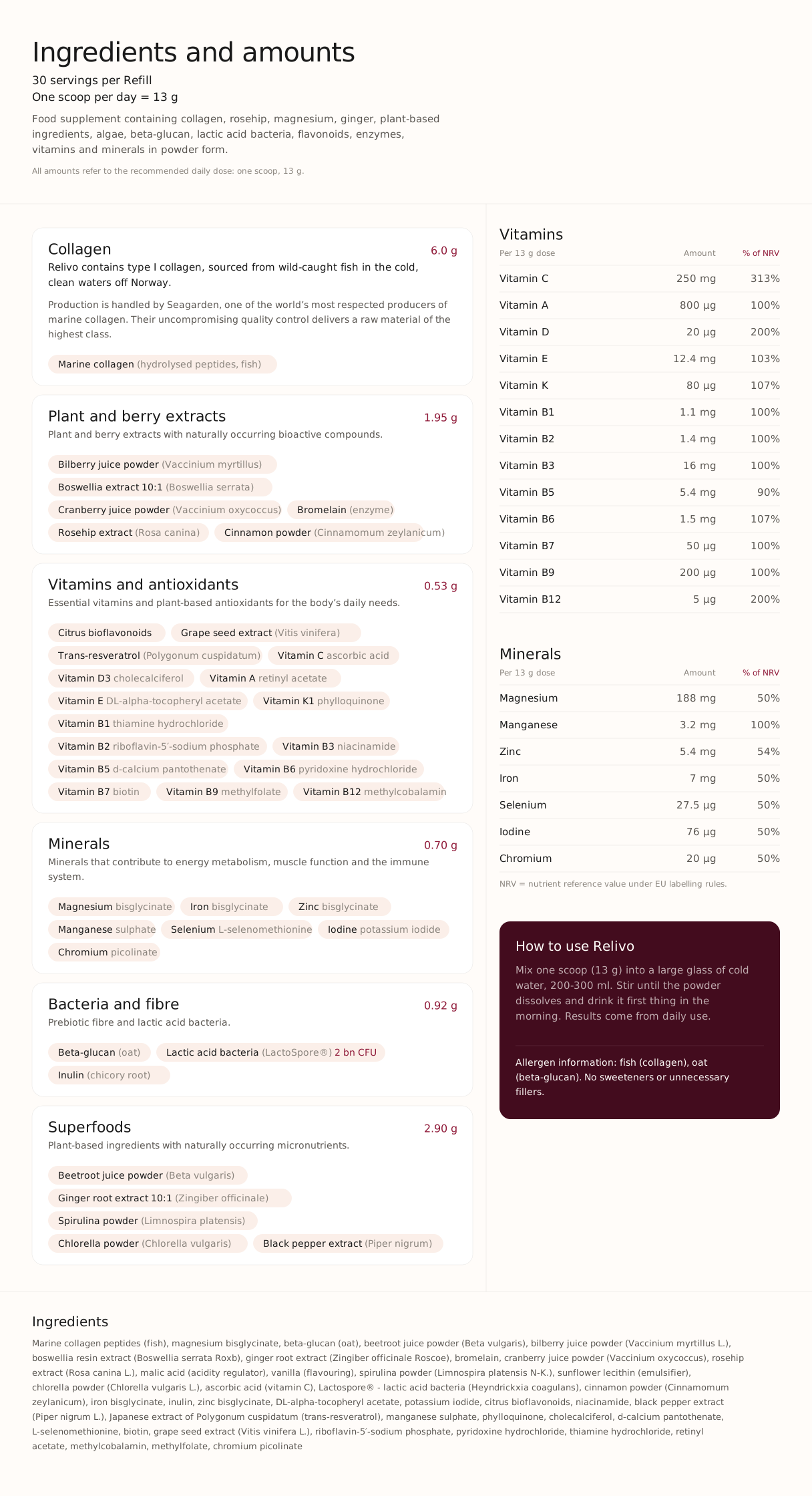
Relivo is a complete daily nutritional supplement developed in collaboration with Swedish scientists and nutritionists. Relivo combines 38 carefully selected nutrients that support the body's most important systems and structures.
All collected in a scoop in powder form, developed to be easy to use and easy to bring into everyday life. Relivo is blended in 60 seconds and is used as a long-term nutritional foundation for energy, immune system, gut health, muscles and joints.
Sources
- 1177 Vårdguide — information about sleep, circadian rhythm and recovery
- Public Health Agency — reports on sleep habits and lifestyle
- World Health Organization — material on sleep, rest and mental balance
- Karolinska Institutet — research on sleep, brain and recovery