Pollen season 2026 - can proper nutrition calm the immune system?
Itchy eyes, runny nose and a tiredness that does not want to let go? The 2026 pollen season is in full swing - and proper nutrition could do more for the immune system than many realise.
Introduction
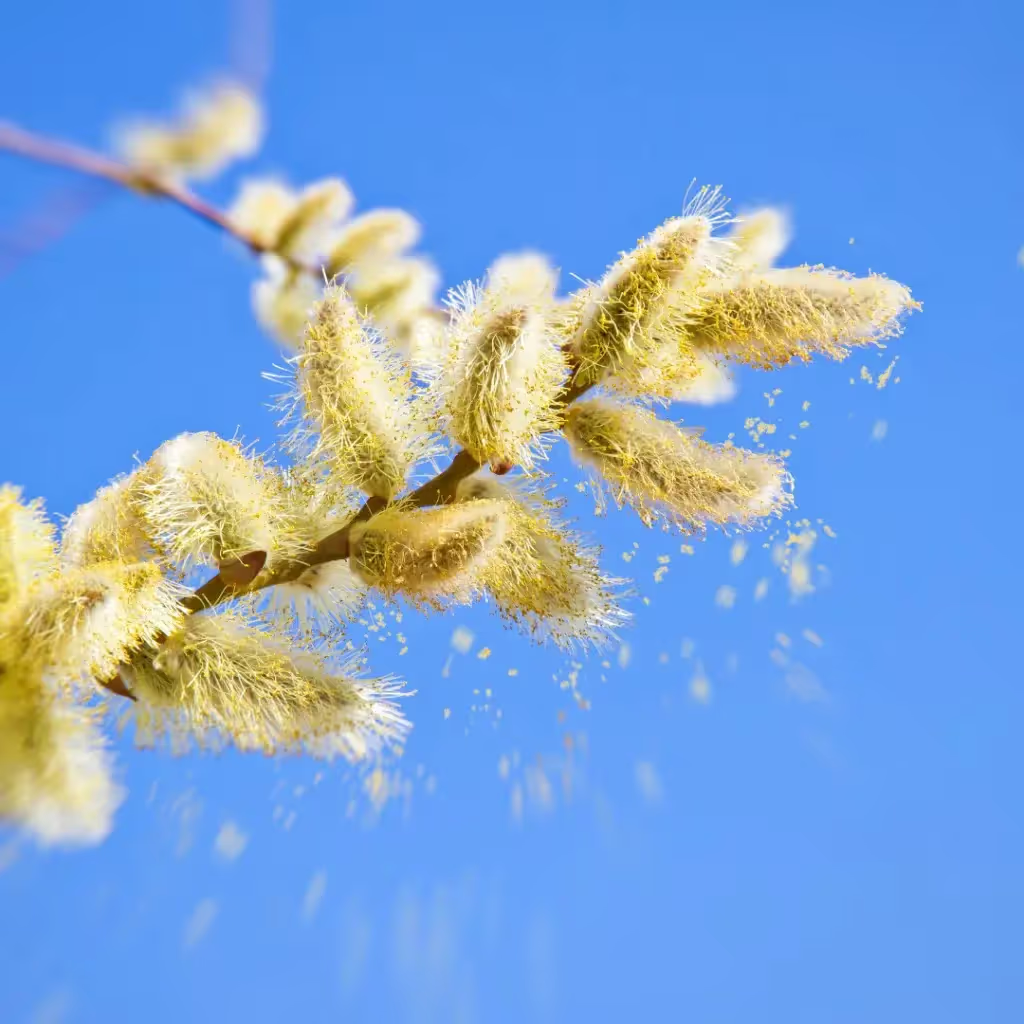
Every spring it comes. Birch pollen in April, grass pollen in May and June, mugwort that closes the season in August. For around a third of Sweden's adults, the 2026 pollen season means at least as much as the winter darkness - itchy eyes, runny noses, headaches and a brain that refuses to focus.
Most people turn to antihistamines or nasal sprays, and of course this is part of the solution for many. But more and more people are discovering something else: that there is also a lot to gain from the diet and in how we support our basic nutrition during these particular months.
In this guide, we'll go over why the body reacts the way it does, what nutrients research points to as relevant to immune balance, and how you can practically get through the 2026 pollen season with a little more energy in the tank.
Why do we react so differently to pollen?
Pollen allergy is basically about the immune system misinterpreting something harmless - pollen grains - as a threat. Mast cells in the mucous membranes release histamine, and it is the histamine that causes the itching, runny nose and swelling.
Why some react sharply and others barely at all depends on a mix of genetics, gut flora, chronic low-level inflammation, vitamin D status, and how the immune system has been calibrated since childhood. It also means that there are multiple avoidable screws - not just medications.
In addition, the 2026 pollen season has come a little earlier than normal in several places in Sweden, which means that the body has less time to change from winter mode to spring mode. This makes basic nutrition extra valuable.
The link between gut, immune system and inflammation
About 70 percent of the immune system sits in and around the gut. When the intestinal flora is in balance, it is easier for the immune system to respond more calmly and proportionally to pollen and other triggers.
Poor sleep, stress, ultraprocessed food and low levels of key nutrients such as omega-3 and vitamin D can pull in the opposite direction. Think of it as turning up or down the volume on the immune system - pollen is the sound, but your nutrition affects how loud your body cranks up.
That's why many in the 2026 pollen season focus as much on what they stuff into themselves as on what tablets they take.
5 nutrients that can support you during the 2026 pollen season
No single ingredient is a magic solution. But there are some nutrients where the research clearly points to a role in immune balance, mucous membranes and inflammatory processes.
1. Quercetin - the plant flavonoid that stabilizes mast cells
Quercetin is found naturally in onions, apple, capers, berries and green tea. It is one of the most studied flavonoids when it comes to mast cells, as it has been shown to be able to reduce the release of histamine in laboratory studies.
Many people find that a diet rich in quercetin during the 2026 pollen season makes a difference. Feel free to think of a handful of blueberries for breakfast, onions in the salad and a cup of green tea in the afternoon.
2. Omega-3 - the fatty acids that dampen inflammation signals
EPA and DHA, two omega-3 fatty acids from oily fish, are well studied for their role in the body's inflammation balance. In the case of high pollen exposure, this may be especially relevant, as inflammation is part of the allergy reaction.
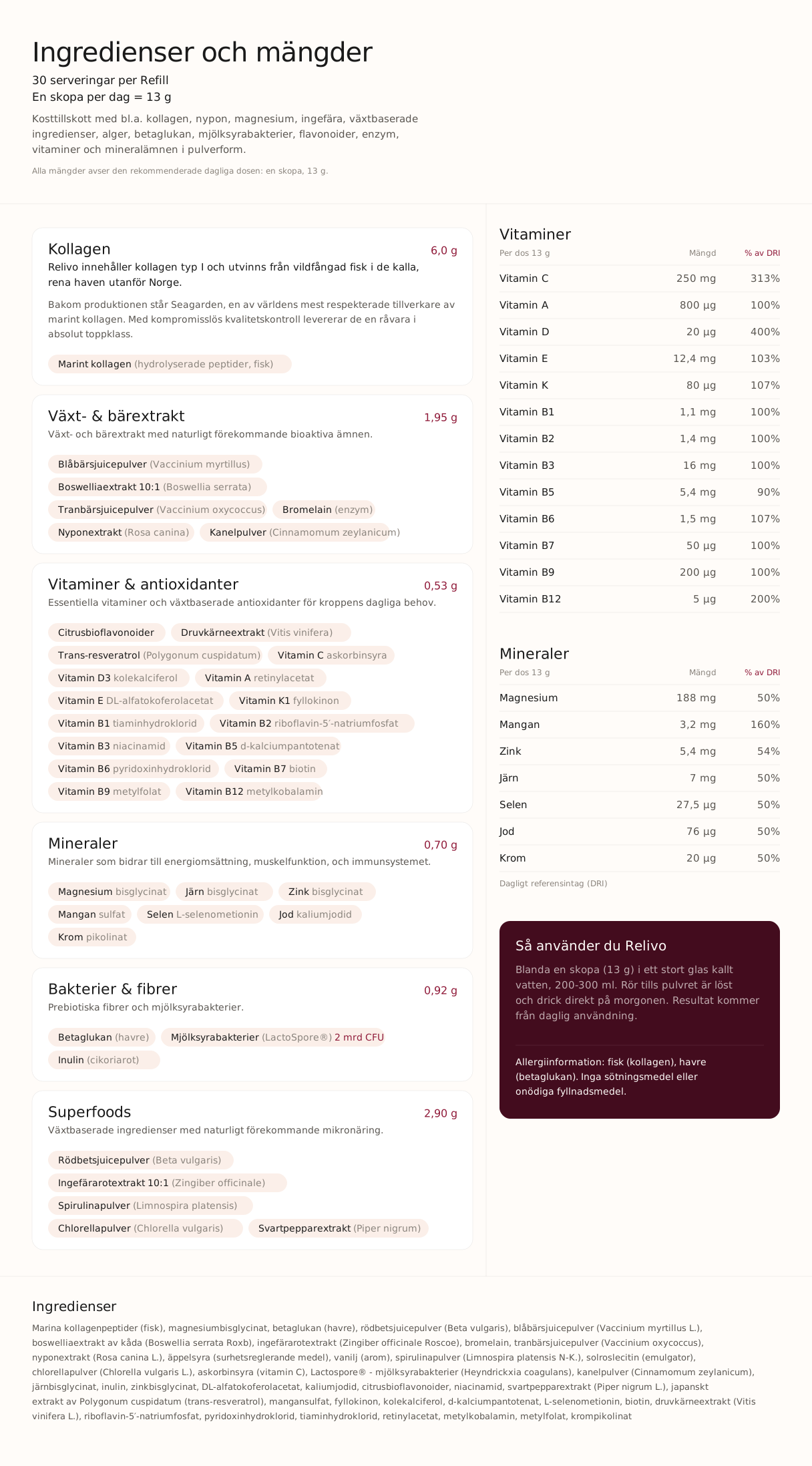
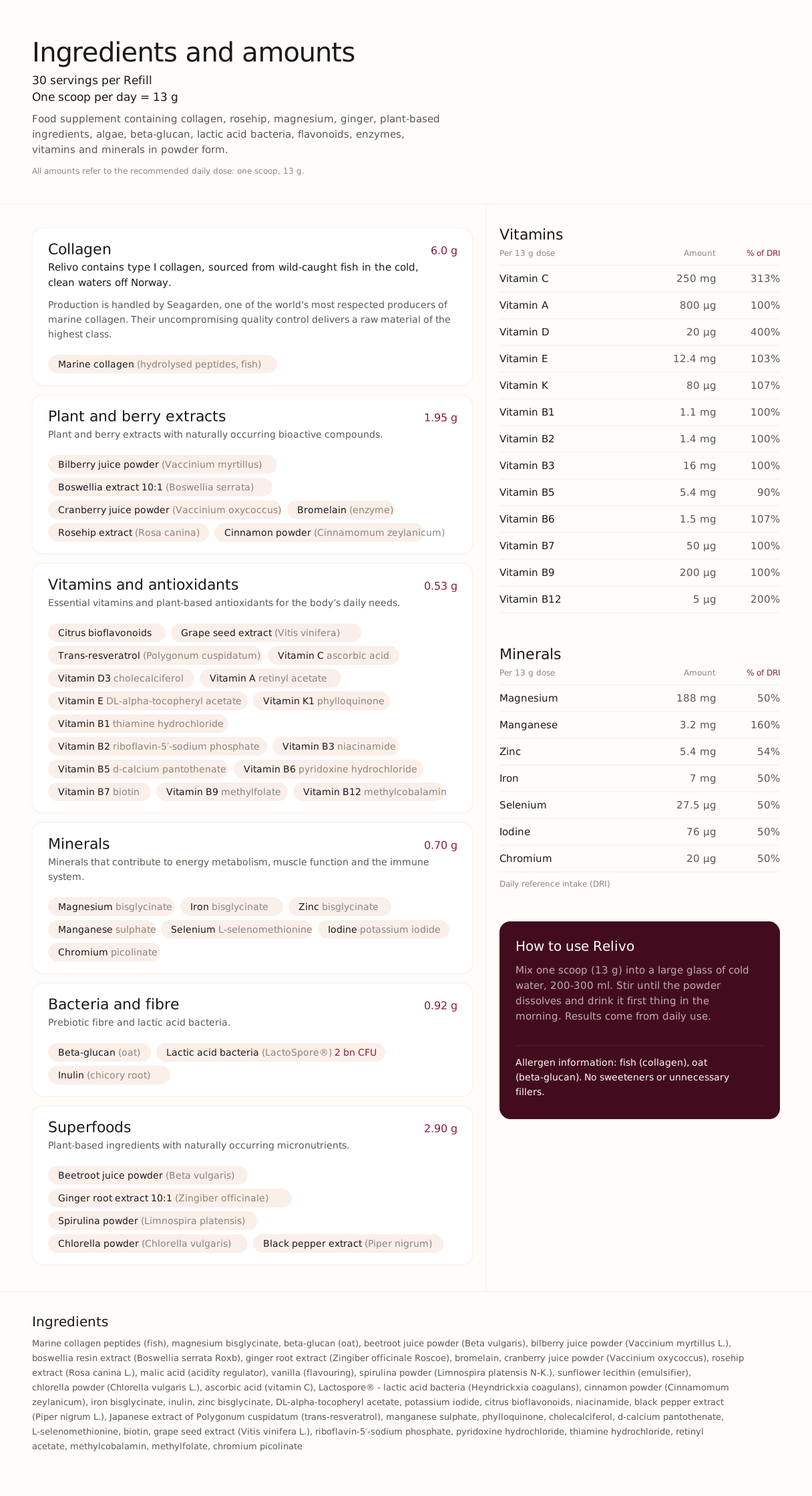
Herring, mackerel, salmon or a supplement with marine omega-3 are tangible ways to replenish. For those who want to build basic security, both omega-3 and supportive nutrition are available in Relivo.
3. Probiotics - the role of intestinal flora in immune balance
Studies on Lactobacillus and Bifidobacterium strains have shown promising effects for people with seasonal allergic rhinitis. The mechanism involves beneficial bacteria communicating with the immune system via the intestinal mucosa.
Relivo contains Lactospore® (Bacillus coagulans MTCC 5856), a spore-forming probiotic that can withstand acid, heat and storage. You can read more about how it works in the article Lactospore and its influence on the gassy and swollen stomach.
4. Vitamin D - the chaplain of the immune system
Vitamin D has a role in the normal functioning of the immune system — it is one of the few approved health claims in the EU. Since Sweden has long, dark winters, it is not uncommon for vitamin D status to be low just when pollen season starts.
A simple measure is to review the intake in March and April. If you want to read more in-depth, we have written about common nutritional deficiencies in Sweden in signs of nutritional deficiency.
5. Vitamin C and zinc - the classic duo that actually works
Both vitamin C and zinc have documented effects on the normal functioning of the immune system. Vitamin C also has a mild antihistamine-like role and helps the body break down histamine faster.
Peppers, citrus, kiwi, broccoli and black currants provide really good vitamin C intake. Zinc is abundant in pumpkin seeds, lentils, beans and seafood.
Everyday tricks beyond nutrition
Nutrition is one piece of the puzzle - but not the only one. Here are some practical things that often make a noticeable difference in the 2026 pollen season:
- Rinse your hair before going to bed. Pollen accompanies you in from the outdoors and ends up on the pillow. A quick shower before bed is one of the most underrated tricks.
- Close the bedroom window at night during peak days. Pollen levels are often at their highest in the early morning.
- Exercise indoors when levels peak. Check SMHI's pollen forecasts the day before if you know you're sensitive.
- Sleep better. Lack of sleep makes the immune system more reactive. An hour extra in the spring can be worth more than most tablets.
These are small habits, but they add up over a whole season.
When should you seek medical care?
For most people, a combination of smart habits, nutritional support and over-the-counter preparations goes a long way. However, if you experience shortness of breath, severe asthma, severe swelling of the face or neck — then you should always seek medical attention.
If you are not sure what you are reacting to, you can read more at 1177 Care Guide or make an appointment at your health center for an allergy investigation.
Summary
The 2026 pollen season doesn't have to be just about antihistamines and endurance. Quercetin, omega-3, probiotics, vitamin D, vitamin C and zinc are nutrients that together can support the immune system to respond more balanced to pollen.
With a nutritionally conscious everyday life, smart sleep and shower habits and a complete daily supplement that Relivo It will be easier to face the season with a little more energy - and a little fewer days when pollen controls the mood.
About Relivo
Relivo is a complete daily nutritional supplement developed in collaboration with Swedish scientists and nutritionists. Relivo combines 38 carefully selected nutrients that support the body's most important systems and structures.
All collected in a scoop in powder form, developed to be easy to use and easy to bring into everyday life. Relivo is blended in 60 seconds and is used as a long-term nutritional foundation for energy, immune system, gut health, muscles and joints.
Sources
- Pollen Report — Naturhistoriska riksmuseet
- SMHI — Pollen Forecasts
- 1177 Care Guide — Pollen allergy
- Mlcek J. et al. — Quercetin and Its Anti-Allergic Immune Response (Molecules)
- Calder PC — Omega-3 fatty acids and inflammatory processes
- Güvenç IA et al. — Do probiotics have a role in the treatment of allergic rhinitis?
- EFSA — Vitamin D and contribution to the normal function of the immune system
- Carr AC, Maggini S — Vitamin C and Immune Function (Nutrients)
- Wessels I et al. — Zinc as a Gatekeeper of Immune Function (Nutrients)
- Finnish Food Agency — Dietary advice and nutrition recommendations