Vitamin D and calcium for strong bones after 40
After 40, oestrogen and bone mass drop - but vitamin D and calcium can support your bone skeleton when it's needed most. Discover how these two work together for better bone health.

Introduction
After the age of 40, many women notice that their legs feel heavier or that the balance is not the same. It is about a natural hormonal change in which estrogen decreases and affects the skeleton.
Vitamin D and calcium for strong bones after 40 are central here. When bone turnover accelerates, the body needs the right building blocks and transport mechanisms to maintain the bone skeleton.
Why are the legs affected after 40?
Estrogen protects the skeleton by inhibiting the breakdown of bone tissue. When levels drop, more bone breaks down than up - a process that accelerates post-menopause by 1-2% a year for the first five years.
It is often noticed as:
• Stiffness or feeling of heaviness in the legs.
• Eases fatigue when walking.
• Decreased body length over time.
Vitamin D and calcium work together to counteract this imbalance by optimizing mineral metabolism.
Vitamin D - calcium transporter
How Vitamin D Works
Vitamin D activates calcium uptake in the intestine and regulates calcium transport to the bones. Without vitamin D, the body takes up only 10— 15% of dietary calcium - with vitamin D, it rises to 30— 40%.
In the Nordic countries, the skin produces too little vitamin D for much of the year. Women over 40 additionally receive less via the sun due to thinner skin and less outdoor stay.
Natural sources
• Fatty fish (salmon, mackerel, herring)
• Fortified dairy products
• Egg yolk
• Sun exposure (15—20 min, face/hands, May—August)
Despite this, many stay below the recommended 20 µg per day during the winter months.

Calcium - the building block of the bone
The central role of calcium
Calcium makes up 99% of the bone mineral. It crystallizes in a matrix of collagen to provide strength and rigidity.
When estrogen decreases, the body draws calcium from the bones to keep blood calcium stable. This is a normal emergency solution but weakens the skeleton in the long run.
Calcium-rich foods
• Dairy products (cheese, yogurt, quark)
• Green leaves (broccoli, kale, pak choi)
• Fortified herbal drinks
• Small fish with bones (sardines, anchovies)
Women over 40 need 800—1000 mg per day. Many do not get there by diet alone.
How Vitamin D and Calcium Interact
A dynamic team
Vitamin D is converted in the liver and kidneys into active form that binds calcium in the intestine. It also regulates calcium reuptake in the kidneys to optimize circulating levels.
Without vitamin D, calcium “gets stuck” in the digestive system. Together they provide the bone skeleton with both raw material and transport - vitamin D and calcium for strong bones after 40 in perfect balance.
The role of magnesium in the balance
Magnesium activates vitamin D and is needed for calcium transport into bone cheese cells. Optimal intake of all three minerals supports mineral metabolism.
Bone health after 40 - what does the research say?
After menopause, women lose bone mass faster than men. Studies show that the combination vitamin D + calcium can slow this loss in postmenopausal women.
Key factors:
• Nordic climate with limited solar production.
• Decreased skin pigmentation effect with age.
• Increased sedentary lifestyle after 40.
Vitamin D and calcium for strong bones after 40 are therefore particularly relevant in our climate.
Practical Strategies for Bone Health
Nutrition Routines
• Eat calcium-rich foods at every meal.
• Take vitamin D with fat-containing foods (fat-soluble).
• Spread out the calcium intake (maximum 500 mg per occasion).
Movement
• Strength training 2-3 times/week (hip load).
• Walking 30 min daily (weight-bearing).
• Balance training 10 min/day.
Lifestyle
• Daylight 15—20 min daily (May—August).
• Avoid smoking (inhibits calcium absorption).
• Limit alcohol (interferes with vitamin D activation).

FAQs
Do all women need supplements after 40?
If the diet does not reach 800—1000 mg of calcium + 20 µg of vitamin D, supplementation is wise, especially in winter time.
Does it work if the bone mass is already reduced?
It supports the remaining bone skeleton and slows the loss. Major changes require a doctor's assessment.
Which forms are best?
Vitamin D3 + calcium citrate (high uptake, stomach friendly).
Summary
Vitamin D and calcium for strong bones after 40 is all about long-term strategy. Through diet, supplementation and movement, you provide the skeleton with better conditions for decades to come.
Small daily choices lay the foundation for mobility far up in life. Start now - your legs will carry you all the way.
About Relivo
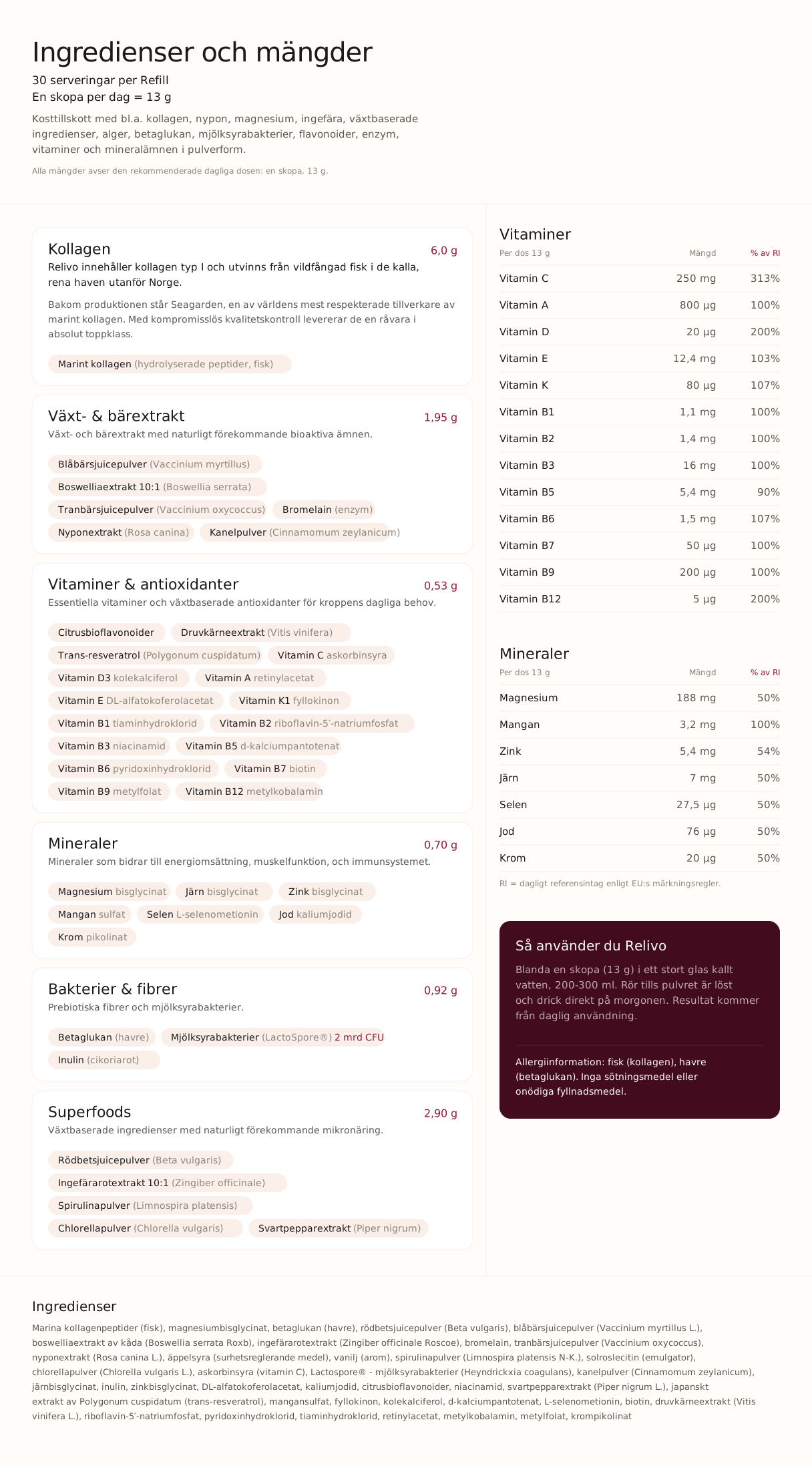
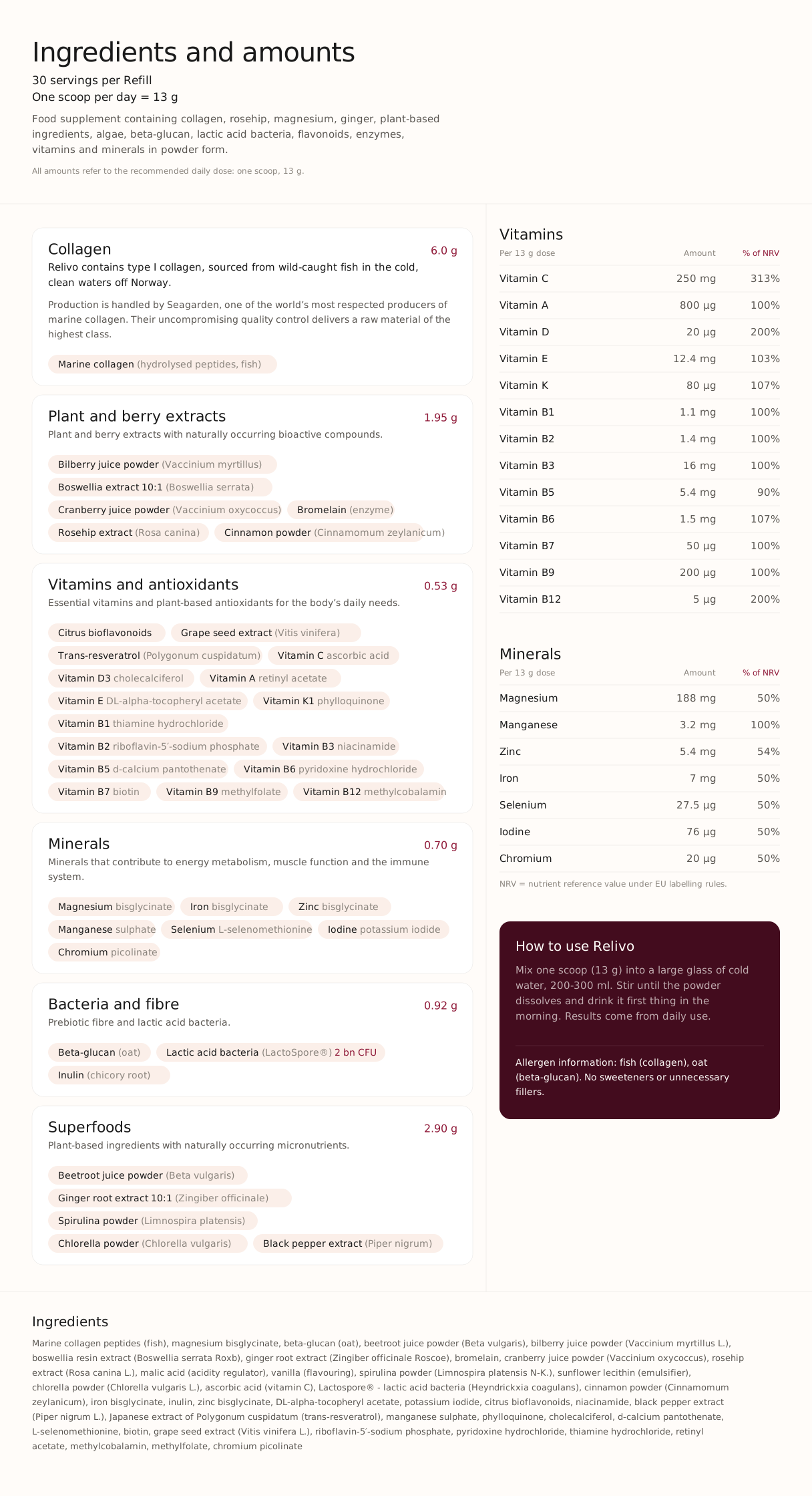
Relivo is a complete daily nutritional supplement developed in collaboration with Swedish scientists and nutritionists. Relivo combines 38 carefully selected nutrients that support the body's most important systems and structures.
All collected in a scoop in powder form, developed to be easy to use and easy to bring into everyday life. Relivo is blended in 60 seconds and is used as a long-term nutritional foundation for energy, immune system, gut health, muscles and joints.
Sources
• Nordic Nutrition Recommendations 2023 (NNR2023)
• 1177 Care Guide — Osteoporosis
• Swedish Food Agency — Vitamin D and Calcium
• EFSA — Approved Health Claims
• Relivo.se — Product information