What causes muscle cramps?
Woken up by a calf cramp in the middle of the night? Or hitting the wall in your thigh at kilometer 15? Here is how to find the cause behind muscle cramps - and how to make them a rare occurrence.

Introduction
Anyone who has had a cramp remembers the feeling. The muscle that suddenly locks up. The sharp, stabbing pain. That split-second panic of not being able to stretch out your foot - usually at three in the morning, right when you’ve just fallen back asleep.
Muscle cramps are both one of the most common and most misunderstood ailments. The old advice of "more salt," "more bananas," and "more water" sometimes helps - but just as often, it doesn't. The truth is that there can be five or six different mechanisms behind a cramp, and the solution depends on which one applies to you.
In this guide, we go through what actually happens in the muscle, the most common causes behind muscle cramps, how to recognize the type you suffer from, and what you can do in your daily life to avoid that middle-of-the-night surprise.
What is a muscle cramp, really?
A muscle cramp is an involuntary, sustained contraction of one or more muscles. The muscle fibers receive a signal to tense up, but do not receive the signal to relax again. That is why a cramp feels like a remote control that has gotten stuck.
Muscles are controlled by nerve signals, which in turn are regulated by several different minerals - primarily magnesium, calcium, sodium, and potassium. When the balance between these is disrupted, or when the muscle has become overexerted or understimulated, the risk increases that the signal will "get stuck" in the contracted position.
Muscle cramps are rarely dangerous, but they can be a sign of something worth looking into - especially if they occur frequently.
The two most common types of muscle cramps
It is worth distinguishing between two main categories, as the causes differ partially.
Exercise-related cramps. The classic ones. They occur during or immediately after physical activity, often in the muscle that has worked the hardest. They are usually linked to dehydration, electrolyte loss, and muscle fatigue.
Nocturnal muscle cramps. The other classic ones. They occur at rest, primarily in the calf, foot, or thigh at night. They are more common in people over 50, pregnant women, and individuals with certain medical conditions.
Identifying which type you suffer from is the first step toward the right strategy.
7 most common causes of muscle cramps
Now, let’s take the most common explanations one by one.
1. Magnesium deficiency - the most well-studied
Magnesium is the body's muscle relaxant. It balances the contracting effect of calcium and is necessary for the muscle to release after a contraction. Low magnesium status is the single most frequently cited nutritional cause behind recurring muscle cramps.
Stress, heavy exercise, alcohol consumption, pregnancy, or diabetes further increase the need. Magnesium bisglycinate is one of the most well-studied forms in terms of absorption and tolerance.
2. Electrolyte imbalance - sodium and potassium
When you sweat, you lose not only water but also electrolytes. Sodium and potassium, in particular, play a role in nerve signaling to the muscles.
Athletes in summer heat, or during long sessions in hot conditions, are particularly vulnerable. This is why sports drinks with electrolytes exist - they replenish exactly what has been lost through sweat.
3. Calcium imbalance
Calcium is the signal that causes a muscle to contract. If the balance between calcium and magnesium shifts too far toward calcium, the muscle may have difficulty relaxing.
Calcium contributes to normal muscle function according to EU health claims, and its interaction with magnesium and vitamin D is essential.
4. Dehydration
Fluid balance affects how electrolytes are distributed between the inside and outside of cells. Dehydration increases the risk of disrupted signaling to the muscles.
This is particularly relevant for older individuals, who often have a diminished sense of thirst, as well as for athletes in hot conditions.
5. Overexertion and muscle fatigue
A muscle that has been pushed to its limit has poorer control over its own relaxation. This is why new forms of exercise, unusually long sessions, or intense training after a rest day increase the risk of cramping.
Increased training volumes should always be introduced gradually. The body needs time to adapt - and this also applies to muscle metabolism.
6. Blood circulation problems
Impaired circulation can cause cramps, especially in the calves while walking. A condition known as intermittent claudication is a classic cause. If you experience cramp-like pain that is relieved when you stop and stand still, it is a sign worth getting checked out.
7. Medications and medical conditions
Certain medications - such as some diuretics, cholesterol-lowering drugs, or asthma medications - can increase the risk of cramping as a side effect. Diabetes, kidney or liver issues, and certain neurological conditions can also be underlying causes of recurring problems.
If you suspect that your medication is the culprit, always consult the doctor who prescribed it - do not stop taking it on your own.
Who is most often affected?
Certain groups are particularly vulnerable:
- Athletes - exercise-related cramps during high-volume training and in heat
- People over 50 - nocturnal cramps, often in the calves
- Pregnant women - increased need for magnesium, circulatory changes
- People with diabetes or vascular issues - both nerve- and circulation-related
- Alcohol consumers - magnesium depletion
- People with heavy menstrual periods - low magnesium and iron
If you identify with several of these categories, it may be worth looking at your overall nutritional foundation rather than just supporting individual nutrients.
Practical strategies - how to make muscle cramps less frequent
Here are six concrete strategies supported by research.
1. Support your magnesium intake
Through diet (pumpkin seeds, almonds, dark leafy greens, legumes) or supplements if needed. Magnesium bisglycinate is often a gentle choice.
2. Stay hydrated - smartly, not just heavily
Two liters of water a day is a good starting point, but drink more if you sweat a lot. During long workouts or in hot weather, electrolyte supplements may be justified.
3. Balance your plate
Dark leafy greens for magnesium and calcium. Bananas, avocados, and potatoes for potassium. Whole grains for B vitamins. Fish and eggs for vitamin D. A broad nutritional base is usually better than chasing a single ingredient.
4. Stretch regularly
Stretching your calves and hamstrings before bed can reduce nighttime cramps. Short mobility sessions throughout the day also help.
5. Increase training volume gradually
The 10-percent rule (increasing your total weekly volume by a maximum of 10 percent at a time) is a tried-and-tested benchmark.
6. Prioritize sleep and recovery
A rested muscle recovers better—and cramps less. If you want to build a better evening routine, there is How to create the ultimate evening routine for better sleep.
When should you seek medical care?
Most muscle cramps are harmless and can be managed on your own. However, there are times when you should book an appointment:
- The cramps occur very frequently and disrupt your daily life or sleep
- The cramp lasts a long time or causes lingering pain
- You get cramps in your hands or other unusual muscles
- The cramp is accompanied by swelling, redness, or warmth
- You are pregnant and experiencing recurring issues
- You suspect that a medication is the culprit
You can find more information and contact details at 1177 Vårdguiden.
Summary
Muscle cramps rarely have a single explanation. Magnesium, electrolyte balance, hydration, training volume, circulation, and medication can all play a role—sometimes simultaneously. This is why the old clichés about "bananas and salt" sometimes work and sometimes don't.
About Relivo
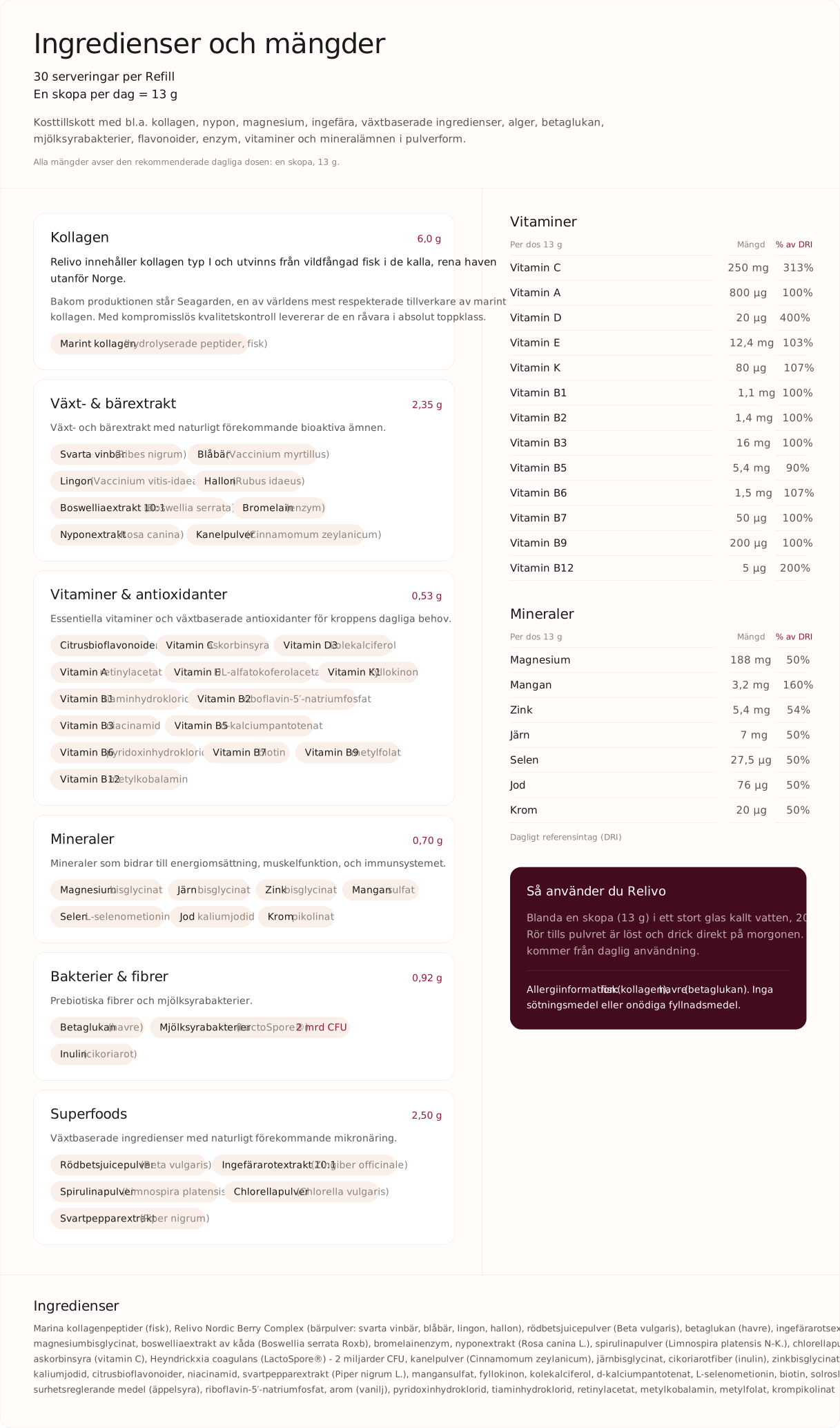
Relivo is a complete daily nutritional supplement developed in collaboration with Swedish researchers and nutritionists. Relivo combines 38 carefully selected nutrients that support the body's most important systems and structures.
Everything is gathered in one scoop of powder, developed to be simple to use and easy to incorporate into your daily routine. Relivo mixes in 60 seconds and serves as a long-term nutritional foundation for energy, immune function, gut health, muscles, and joints.
Sources
- Miller KC et al. – Exercise-Associated Muscle Cramps: Causes, Treatment, and Prevention (Sports Health)
- Pickering G et al. – Magnesium Status and Stress: The Vicious Circle Concept Revisited
- Roffe C et al. – Randomised, cross-over, placebo controlled trial of magnesium citrate in the treatment of chronic persistent leg cramps
- Garrison SR et al. – Magnesium for skeletal muscle cramps (Cochrane Database)
- Schwellnus MP – Cause of exercise associated muscle cramps (EAMC)—altered neuromuscular control, dehydration or electrolyte depletion?
- Maughan RJ, Shirreffs SM – Muscle cramping during exercise: causes, solutions, and questions remaining
- EFSA – Calcium and normal muscle function
- EFSA – Magnesium and muscle function
- Swedish Food Agency – Magnesium
- 1177 Healthcare Guide – Muscle cramps