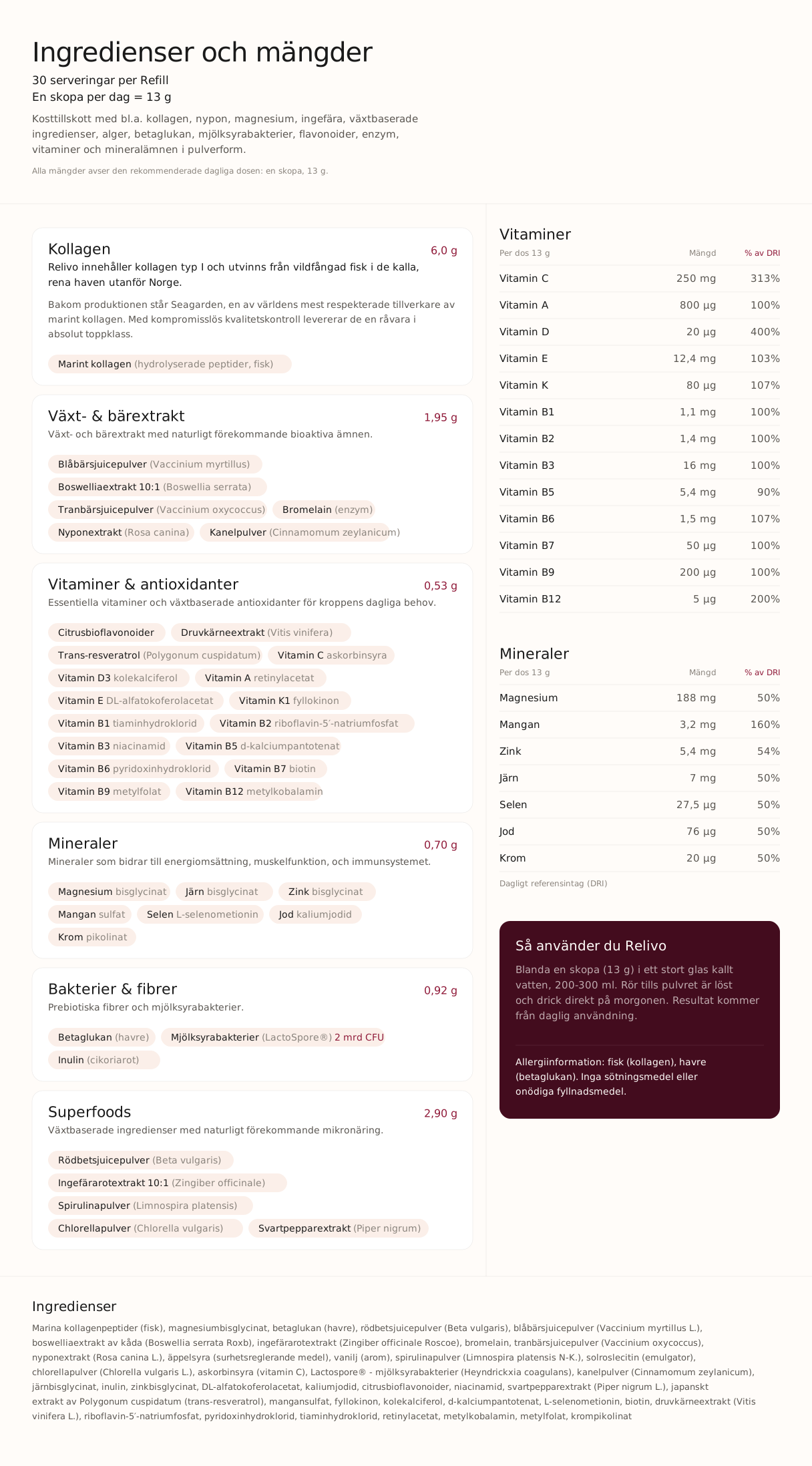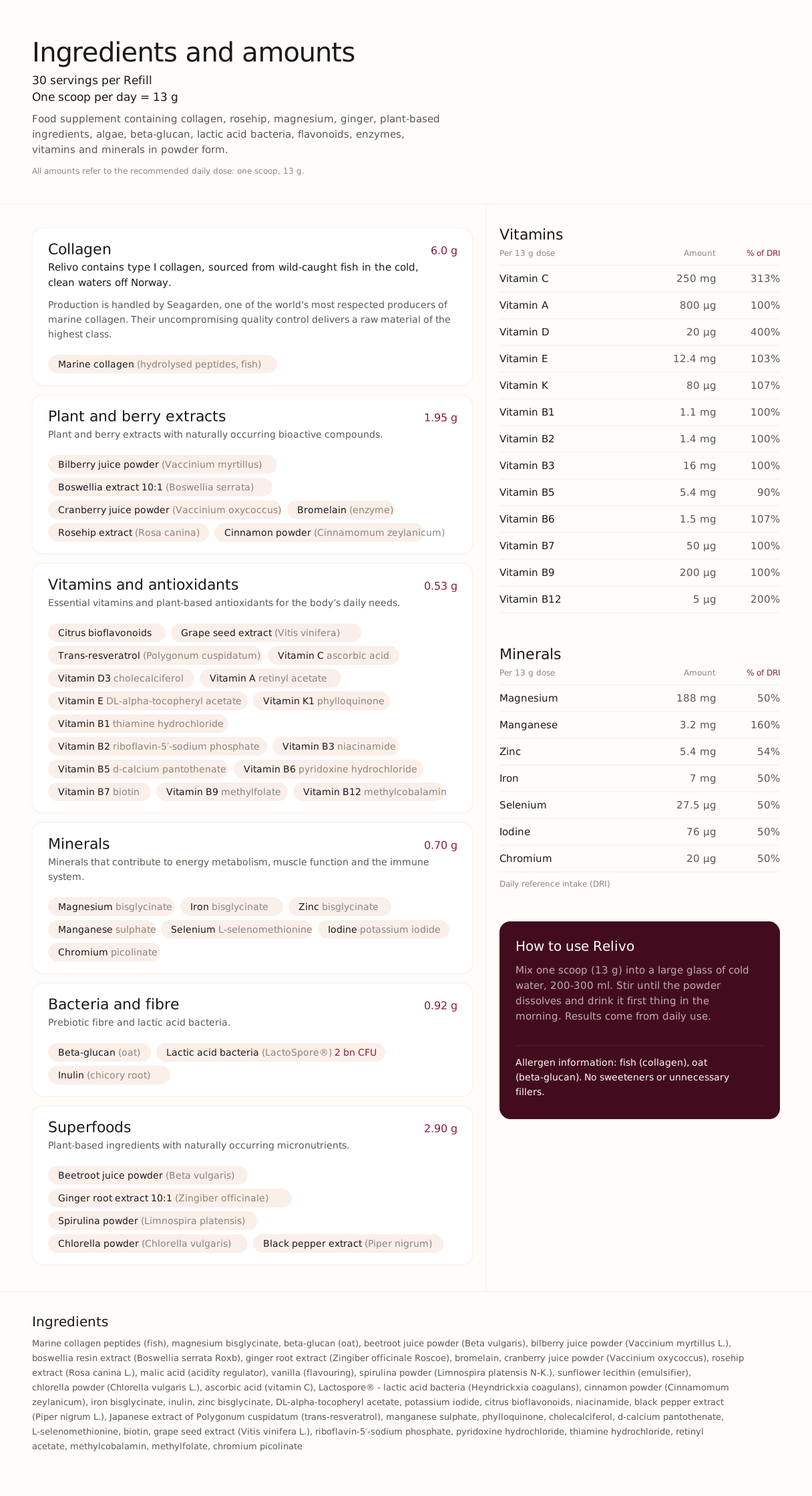
Mental Health Training Program - 4 Weeks to Better Balance
A mental health exercise program can help you create more focus, calm and energy in everyday life. Here you get a simple 4-week program built on research, small habits and sustainable recovery.

Introduction
Mental health is affected by many areas of life - everything from sleep and movement to routines and recovery.
Many people want to feel better mentally but don't know where to start or what actually makes a difference in everyday life.
A mental health training program is not about performance, but about small steps that make it easier to manage stress, find balance, and create more stable energy over time.
In this guide, you'll get a 4-week program that is easy to follow, adaptable, and grounded in research on how movement, breathing, and recovery can contribute to mental balance.
What is a mental health training program?
A mental health training program doesn't focus on fitness or strength -- though those parts can be included. It's about combining movement, micro-pauses, breathing and recovery in a way that benefits the brain.
Small doses of movement and recovery can contribute to better focus, reduced feelings of stress and increased sense of control in everyday life.
why workings it?
Research shows that regular physical activity, calm breathing and short recovery pauses can affect the brain's stress system, concentration and mental energy.
When you combine these elements into a structured program, it becomes easier to create sustainable routines.
4-Week Mental Health Training Program
The program is built to be simple, clear and doable even when life is full.
Each week has a focus area and three key habits.
Week 1 - The Basics: Routines that Create Stability
The first week is all about building the foundation.
Small, consistent habits that reduce feelings of stress and clutter.
1. Micro training 3 times a day
Take three short breaks of 1-2 minutes of movement: stretch, go for a run, or do 10 squats.
It helps the body break sedentary and provides the brain with more oxygen and energy.
2. Breathe slowly for 5 minutes a day
Set a timer and breathe slowly: in through your nose, out longer than you inhale.
This creates a calmer pace in the body.
3. Create an Evening Routine in 10 Minutes
Choose something to help you unwind: light stretching, diary, or a cup of tea.
Routine signals to the brain that the pace should slow down.
Week 2 - Focus: Strengthen Your Mental Presence
The second week is based on more mental training, without it becoming complex.
1. 10 minutes focused walk
Walk at a leisurely pace without a mobile and listen to your steps or the surroundings.
It helps the brain to release overload.
2. The One Thing at a Time Principle
Pick out one occasion per day when you focus on a single task for 10 minutes.
It makes it easier to create clarity and reduces multitasking.
3. 3 minute breathing anchor
Stop, take a few slow breaths and feel your feet in the floor.
It's like giving the brain a “reboot.”
Week 3 - Energy: Build Stress Resilience with Movement
Now it's time to add some more physical activity.
1. 15-20 minutes of heart-rate boosting activity
It can be brisk walking, cycling or dancing in the kitchen.
The aim is to increase circulation and create more energy.
2. 5 minutes of mobility training
Make simple movements for the back, shoulders and hips.
It helps against stiffness and makes the body more alert.
3. Home- “reset” every afternoon
Take 2 minutes and stretch, shake loose and make a long exhalation.
It marks a transition in the day and helps you release tension.
Week 4 - Balance: Integrating Recovery
The last week is all about tying everything together and creating balance in everyday life.
1. 10 minutes quiet movement
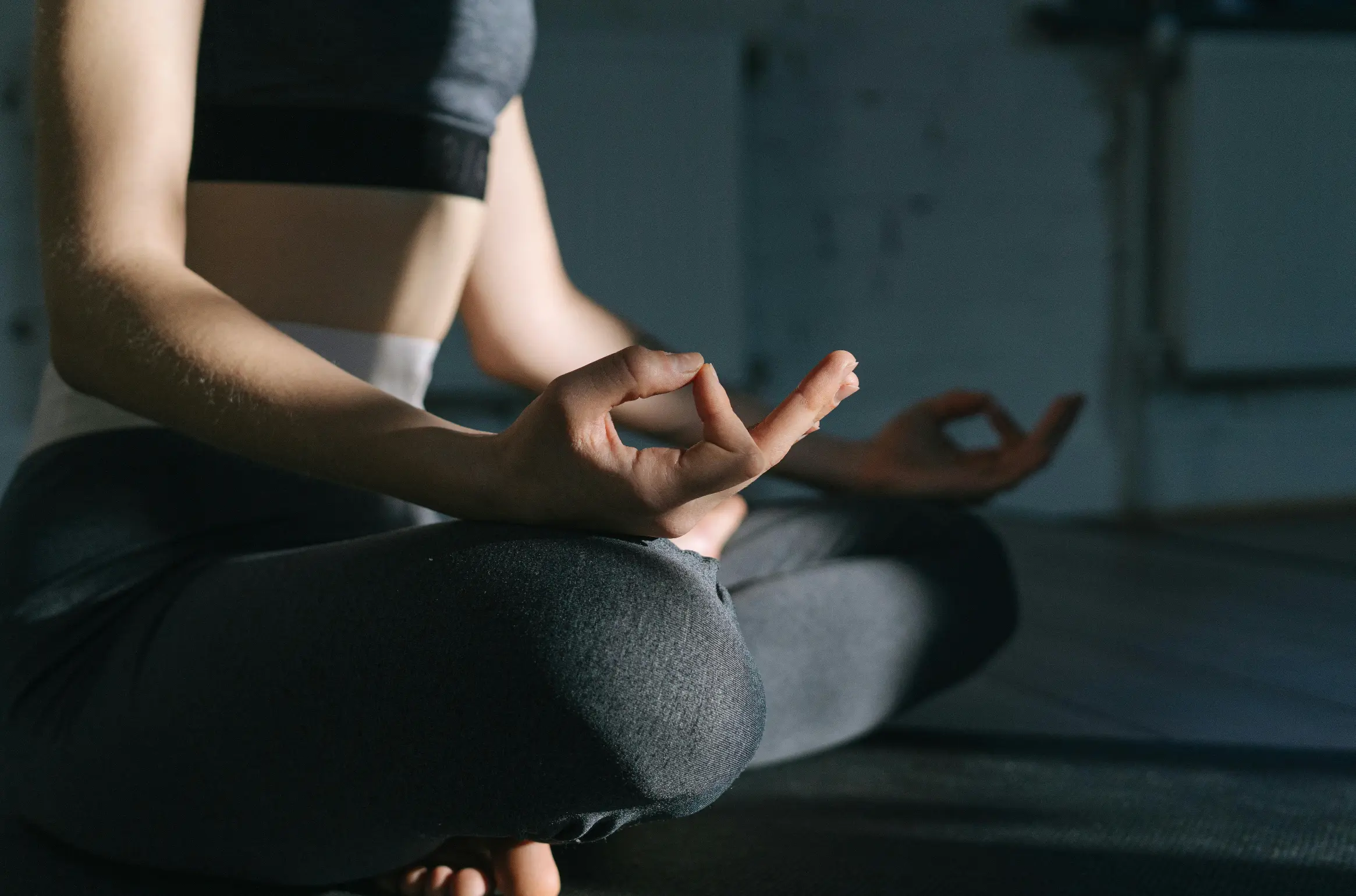
Try yin-stretching, slow yoga or easy mobility.
Slow motion helps the body get down in turns.
2. One digital break per day
Turn off notifications or put your phone away for a while.
It reduces impressions and makes it easier to feel calm.
3. Assess your feeling
Reflecting briefly: What worked? What gave you the most energy?
It makes it easier to continue with habits that feel good.
Tips to Succeed with a Mental Health Exercise Program
Small steps are better than big changes
The main thing is regularity, not perfection.
See each day as a chance to start over.
Combine movement with nutrition if it suits you
Many people find it easier to stick to new habits when combined with a morning routine, such as a hot drink or a nutritional supplement that feels right for them.
The key is to create a rhythm that works in the long run.
Scientific basis for mental health, movement and recovery
Research shows that:
- regular physical activity can strengthen mental balance
- calm breathing can positively affect the stress system
- regular breaks improve focus and reduce brain fatigue
- clear routines reduce mental load
- nature walks can contribute to more mental clarity
It is this combination of movement, presence and calm that makes a mental health training program so valuable in everyday life.
Summary
A mental health training program doesn't have to be complicated.
Through small daily habits, simple movement breaks and clear routines, you can create more balance in both body and mind.
Choose the parts that suit you and make them a natural part of your day — little by little, but regularly.
Sources
- The Lancet Psychiatry, “Physical activity and mental well-being”, 2018.
- Harvard Health Publishing, “Breathing and stress response,” 2020.
- Berman M. et al., “Cognitive benefits of nature walks”, Psychological Science, 2012.
- Oja P. et al., “Short bouts of physical activity and health”, British Journal of Sports Medicine, 2018.
- Frontiers in Psychology, “Mindfulness, attention and stress regulation”, 2020.