Mental Energy — Why It Runs Out Faster Than Physical Energy
Mental energy is often perceived as more limited than physical energy. Here we explain why the brain gets tired faster than the body and what factors affect mental energy.

Introduction
Many people feel that the head gets tired long before the body does. It can happen after a sedentary day filled with meetings, emails and decisions.
Mental energy is about the brain's ability to process information. It is used continuously, even when we are not physically moving.
In a society characterized by constant connectivity, the brain is exposed to more stress than before.
It makes mental energy a finite resource.
What is meant by mental energy?
Mental energy describes the brain's capacity to focus, make decisions, and regulate attention.
It is central to planning, problem-solving and self-control. Unlike muscles, the brain has no clear “stop” that signals overexertion in time.
Fatigue is therefore often experienced suddenly.
Mental energy is influenced by both internal and external factors. Sleep, stress and the amount of information play a big role.
Mental and physical energy work differently
Physical energy can often be built up gradually through exercise.
Mental energy, on the other hand, is more sensitive to strain and interruptions. The brain consumes energy even at rest. Thoughts, worries, and planning require cognitive resources.
It allows mental fatigue to occur without clear physical exertion.
Energy consumption of the brain
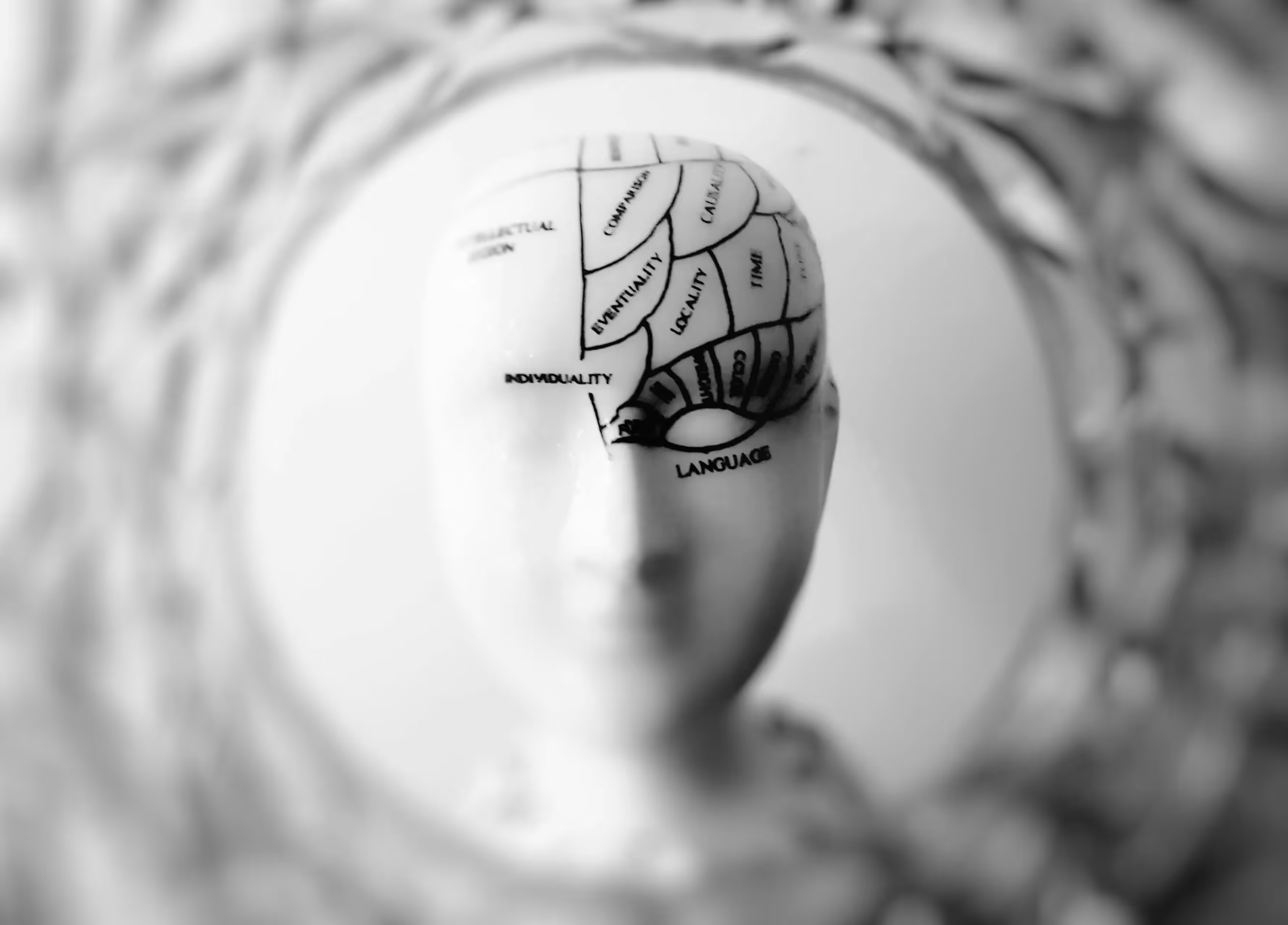
The brain accounts for a significant portion of the body's energy use despite its relatively small size.
It needs a constant supply of energy to function. Cognitive tasks require coordination between multiple brain regions.
It increases energy consumption when concentrating and making decisions.
When demands are high for an extended period of time, available mental energy decreases. Recovery then becomes crucial.
Decision fatigue and mental energy
Decision fatigue is a well-studied phenomenon in psychology.
It describes how the ability to make decisions deteriorates after many choices.
Even small everyday decisions contribute to mental strain. Choices around work, communication and planning often take place without breaks.
When mental energy decreases, decisions become more impulsive. It can also lead to postponement or avoidance of decisions.
Information overflow as load
Modern everyday life involves constant exposure to information.
Notifications, emails and digital feeds compete for attention. Any interruption requires realignment in the brain. This conversion consumes mental energy.
Studies show that frequent interruptions affect focus and perceived fatigue. Mental energy decreases faster in environments with many stimuli.
Multitasking and cognitive load
The brain is not adapted for multitasking.
What is often perceived as parallel work is, in practice, rapid alternation between tasks. Every shift involves a cost in mental energy. Focus splits and efficiency decreases.
Over time, this leads to increased mental fatigue. One task at a time requires less energy than several at the same time.
The influence of stress on mental energy
Stress affects how the brain prioritizes its resources.
In the case of perceived pressure, systems that favor quick reactions are activated. It often comes at the expense of reflection and long-term thinking.
Mental energy is used less efficiently.
Prolonged stress is therefore strongly linked to the experience of mental exhaustion. Recovery gets less space.
The importance of sleep for mental energy
Sleep is crucial for brain recovery. During sleep, impressions are processed and cognitive resources are rebuilt.
Lack of sleep affects mental energy more than physical vigor. Concentration and attention deteriorate rapidly.
Even irregular sleep can affect the brain's energy levels. Regular routines are therefore important.
Nutrition and brain function
The brain is dependent on continuous access to energy and nutrients.
Uneven meals can affect attention and focus. Some vitamins and minerals are involved in the normal functioning of the brain.
These need to be added regularly through the diet. Dietary supplements are sometimes used as a supplement.
They are intended to supplement, not replace, a varied diet.
Supplements in everyday routines
People with specific dietary patterns may have difficulty reaching recommended levels of certain nutrients.
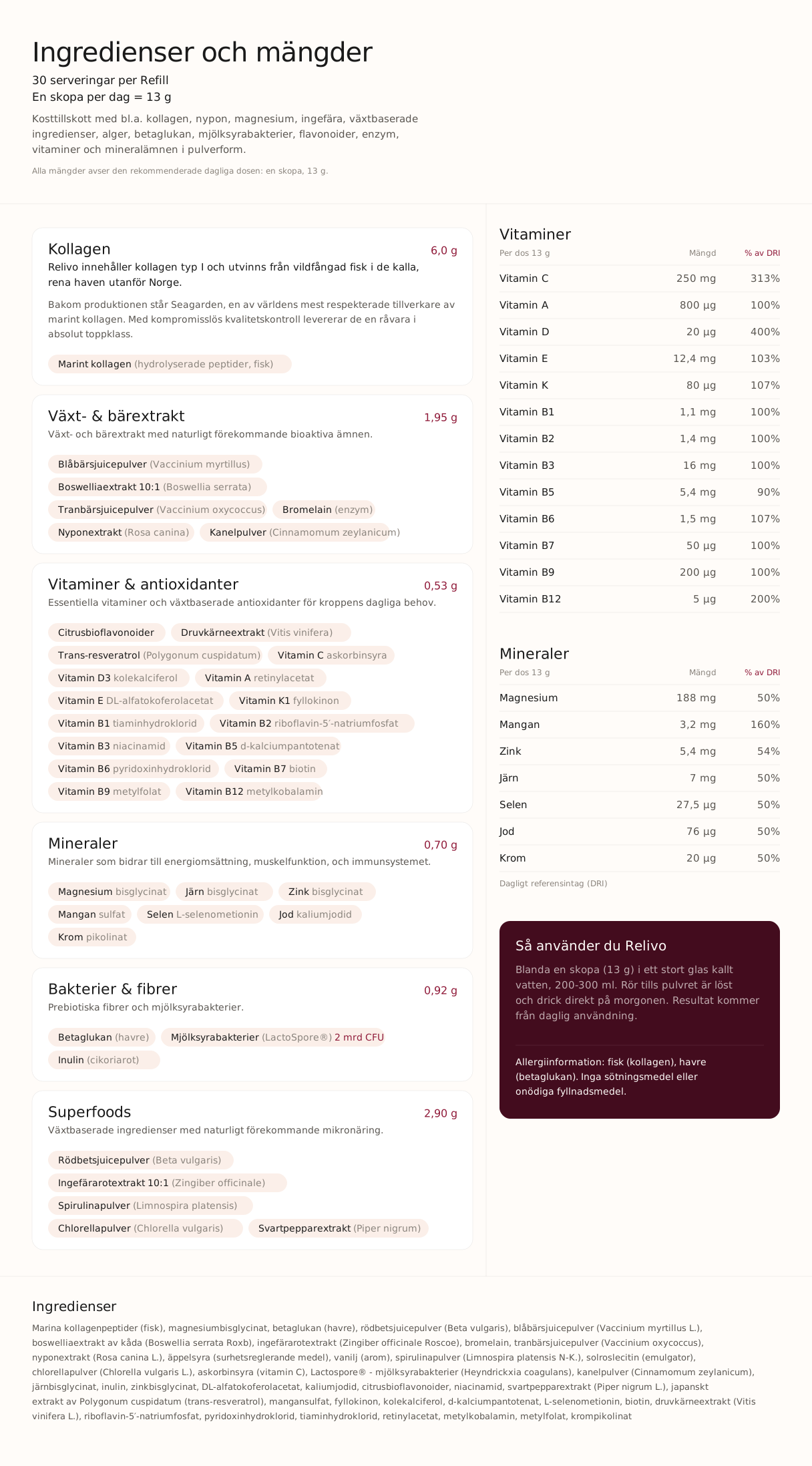
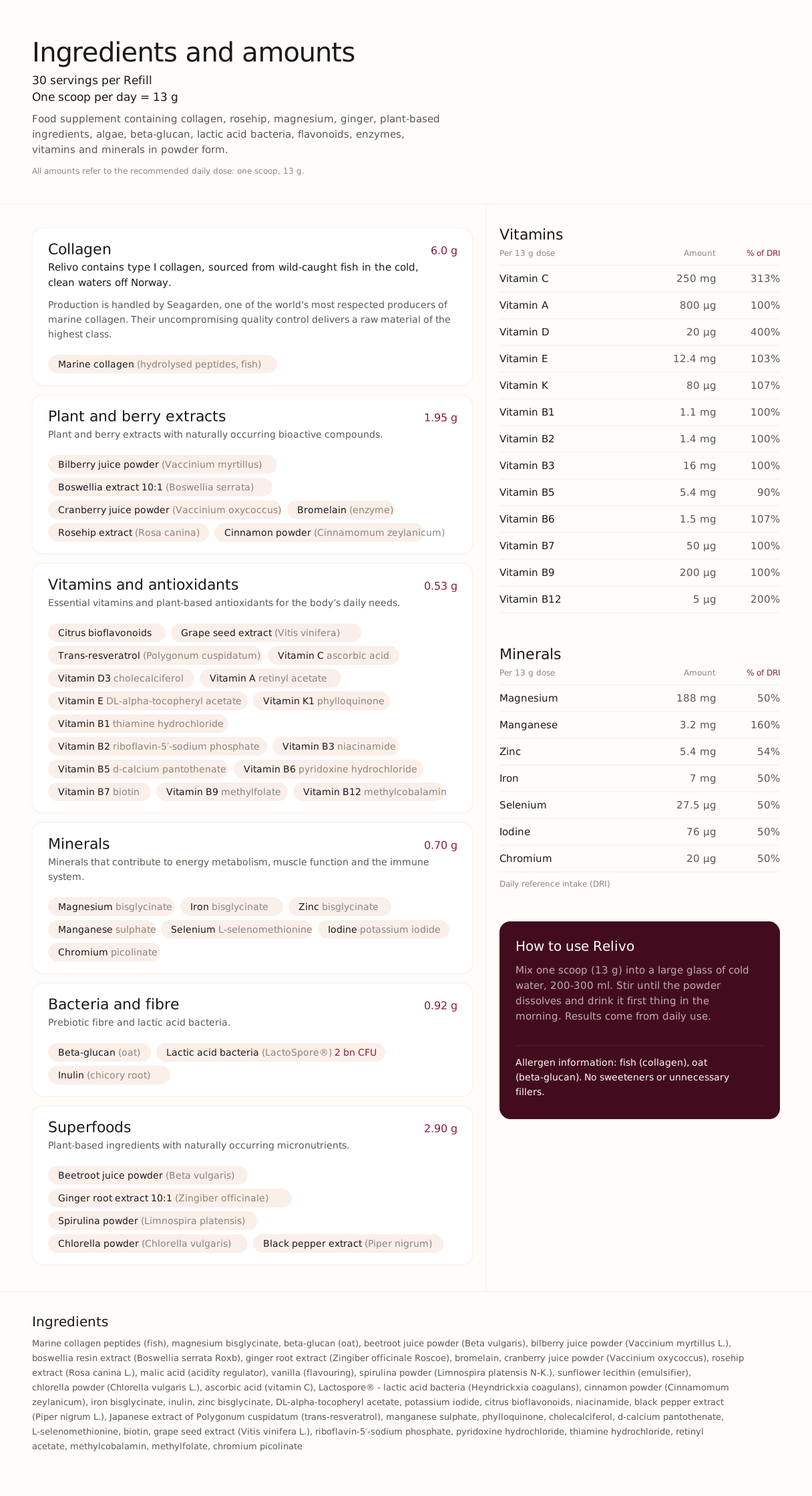
In such cases, supplements are often used. It is important to choose products with a clear list of ingredients. Transparency and quality are key factors.
Digital Habits and Mental Recovery
Screens require constant visual and cognitive processing.
Even passive consumption puts a strain on the brain. Quick switches between apps and content reduce the possibility of mental rest.
The brain remains in an active state. Breaks without digital stimulation can therefore contribute to better recovery of mental energy.
Strategies to conserve mental energy
Reducing unnecessary decisions can save mental energy.
Fixed routines and clear structures are examples of this. Scheduled breaks give the brain the opportunity to recover.
There may be short pauses with no flow of information. Understanding one's own limitations is an important part of sustainable everyday life. Mental energy is not unlimited.
Summary
Mental energy often runs out faster than physical energy because the brain is continuously loaded. Decisions, information and stress affect more than we often realize.
By understanding how mental energy works, it will be easier to create better conditions in everyday life. Small changes can make a big difference over time.