Nervous system in imbalance: common signs and what helps
When the nervous system becomes out of balance, it can affect both energy, focus and how we react to stress. Here you get an easy-to-read and research-based guide on common signs and what can help you find more balance.

Introduction
Our nervous system is like the body's internal communication center.
It controls everything from breathing and pulse beats to emotions, decision making and stress response.
When it works well, we feel stable, focused and confident. However, when the nervous system is in imbalance, everyday life often becomes heavy, messy and energy-consuming.
Stress, poor recovery, lack of sleep and too much stimulation are some of the most common factors that can upset the balance.
The great thing is that you can influence a lot yourself — with small habits that calm, strengthen and stabilize the system.
What does it mean that the nervous system is out of balance?
Sympathetic vs parasympathetic mode
The nervous system alternates between two states — activity and recovery.
When stress and strain get too high, many get stuck in the active mode, making it harder to unwind and recover.
When signals become “too much”
A nervous system in imbalance often means that stimuli such as sounds, lights, demands, or social interaction feel more overwhelming than usual.
It can also affect focus, patience and the sense of presence.
Common signs that the nervous system is out of balance
1. Difficult to unwind in the evenings
Many people describe that the brain continues to move at high speeds even though the body is tired.
It often leads to restless sleep and decreased mental energy the next day.
2. Hypersensitivity to impressions
Suddenly, sounds, lights or movement feel more intense than normal.
It is a clear sign that the system is overstimulated.
3. Rapid irritation or outbursts of emotion
When the nervous system is squeezed, it becomes more difficult to cope with everyday situations.
Small things can feel bigger than they are.
4. Brain fog and difficulty concentrating
Many people find it difficult to think clearly or stay focused for long periods of time.
It is often associated with prolonged stress or lack of recovery.
5. Bodily tensions
Stiff neck, tense shoulders and a feeling of “holding your breath” are common signs.
The body and nervous system work closely together, and imbalances are often noticeable physically.

Prolonged stress and nervous system reactions
How Stress Affects the Nervous System
Stress in small doses is normal, but when it becomes prolonged, the nervous system falls into a constant “turned on” mode.
It makes it harder to regain calm and balance.
When recovery is not
Without breaks, the nervous system does not get the chance to return to rest.
It creates a vicious circle of more stress and less energy.
What can help when the nervous system is in imbalance?
Slow breathing
Breathing exercises are one of the fastest methods to calm the nervous system.
Slow, deep breaths can help the body shift to a calmer position.
Test 4-6 breathing
Inhale for 4 seconds and out for 6 seconds for 2-3 minutes.
This can provide an immediate sense of calm.
2. Very gentle movement
Low-intensity movement sends signals to your body that you are safe.
It can be a walk, soft stretching or simple yoga.
Movement releases tension and helps the body unwind without overstimulating the system.

3. Supportive nutrition for the nervous system
Magnesium for recovery
Magnesium is used by the body in processes involving relaxation and recovery.
Many people use it in their evening routine to support calmer evenings.
Omega-3 for mental balance
Omega-3s have been linked to mental clarity and recovery.
DHA in particular is important for brain function and structure.
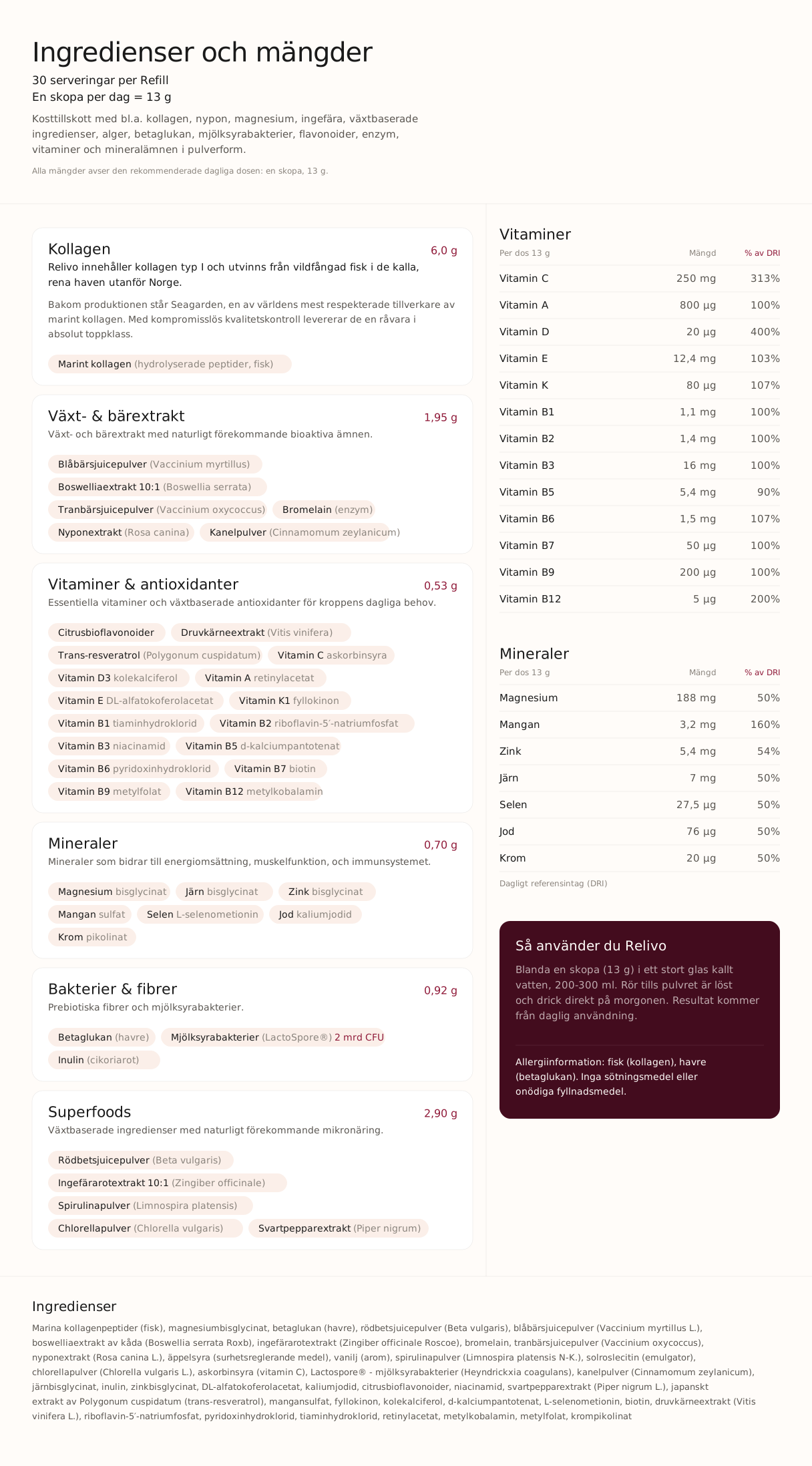
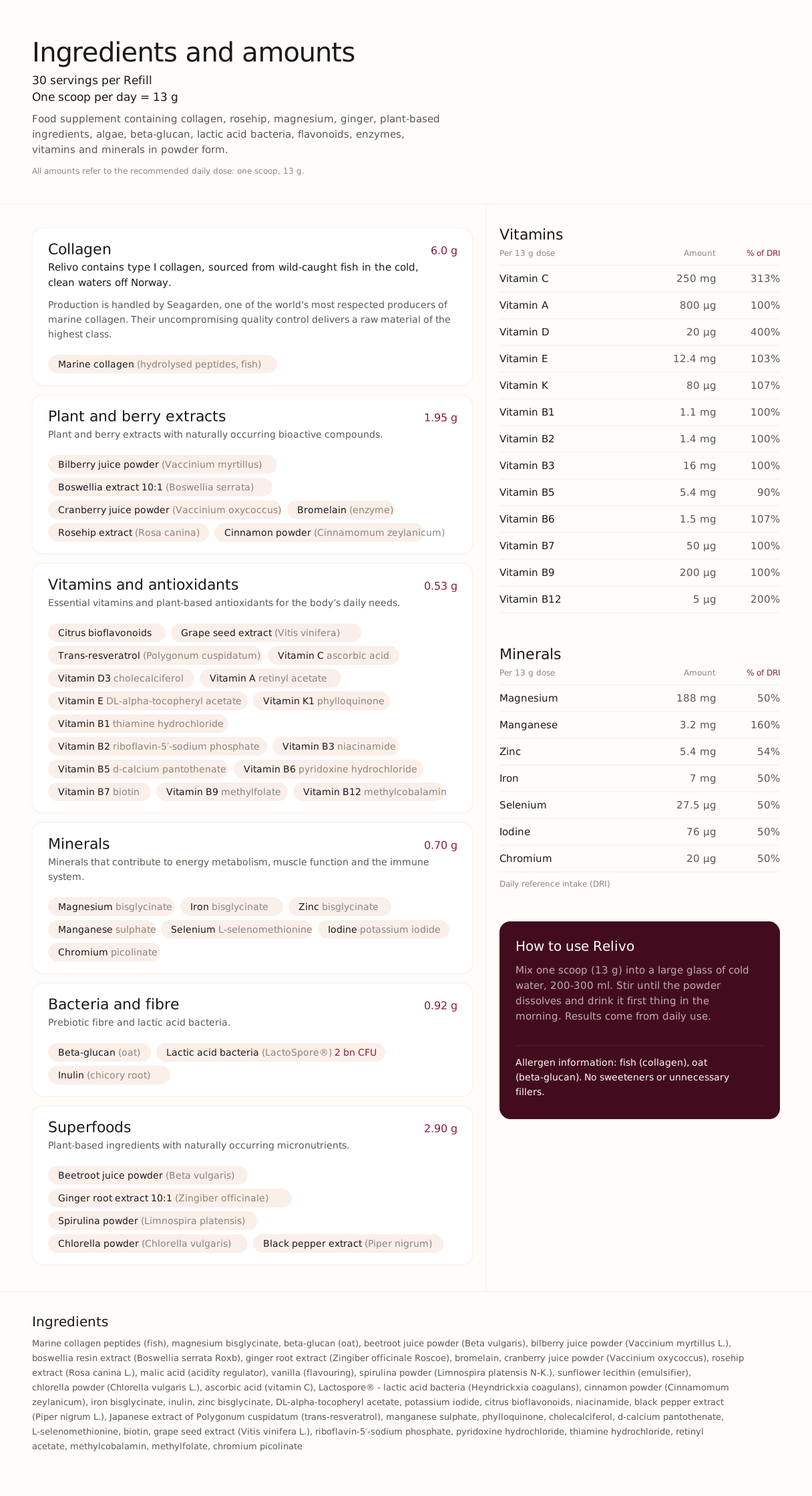
Glycine and collagen in the evening routine
Glycine, an amino acid in collagen, is often highlighted in studies on sleep quality and warmup.
A warm drink with collagen can become part of a calmer evening ritual.
4. Sensory downwardation
Reduce the number of impressions you are exposed to — especially in the evening.
It can be as simple as:
- dimmed lighting
- turn off notifications
- Avoid TV and phone for the last hour
Small adjustments can provide a great relief for a squeezed nervous system.
5. Safe Routines
Routines signal security to the nervous system.
It can be about the same evening routine, the same time for dinner or a short walk after work.
Relivo's Perspective on Routines
Relivo focuses on holistic health, where small daily habits -- diet, recovery and stress management -- can together support the nervous system.
When routines are kept simple, they are easier to follow, and the effect builds over time.
How to strengthen the nervous system in everyday life
Make room for micro-recovery
2-3 minute breaks during the day help the nervous system to exhale.
It can be breathing, walking away from the screen, or just closing your eyes for a while.
Lower performance requirements
Constantly trying to perform to the max puts a lot of pressure on the nervous system.
Allow yourself to do things more slowly and opt out of things that create unnecessary stress.
Create security through clarity
Make lists, plan ahead, or simplify your choices.
The brain likes predictability -- it reduces mental strain.
Summary
A nervous system in imbalance can affect everything from energy to mood and focus. But small, daily changes can make a big difference. By combining recovery, nutrition, gentle movement and clear routines, you can create an everyday life in which the nervous system receives more support.
It's not about perfect days, but little habits that help you feel more stable and present over time.
Sources
- Harvard Medical School — Stress and the nervous system
- Frontiers in Neuroscience — Autonomic nervous system balance
- American Psychological Association — Stress response research
- Journal of Behavioral Medicine — Breathing techniques and stress
- Frontiers in Psychology — Effects of low-intensity exercise on stress