Iron bisglycinate + Vitamin C: More effective absorption against fatigue
Do you feel energized despite sleep and coffee? Discover how iron bisglycinate and vitamin C work together for better iron absorption and more stable energy levels in everyday life.
Introduction
Fatigue is a common complaint in busy lives, often linked to low iron levels. Iron bisglycinate combined with vitamin C significantly increases the absorption of non-heme iron.
This synergy is especially relevant for active Swedes with a high physical or mental load. Iron deficiency affects up to one in three high school girls in Sweden.
Isolated iron is poorly absorbed due to inhibitors such as phytates and polyphenols. Here we explore the scientific basis of this duo and practical advice.
Why iron bisglycinate and vitamin C?
Iron bisglycinate is a chelated iron bound to glycine for higher bioavailability. Vitamin C (ascorbic acid) reduces ferric iron to ferrous form for better absorption.
Together, they bypass stomach ailments common with sulfate iron. EFSA confirms that vitamin C improves the absorption of iron from the diet. Studies show up to 67% higher absorption when combined. Suitable for vegetarians, menstruating and athletes equally well.
How Vitamin C Improves Iron Absorption
Vitamin C increases the solubility of iron in the intestine by lowering pH. It counteracts inhibitors such as calcium and polyphenols in food. The result is more efficient transport via DMT1 receptors.
A review from SLU points to positive effects in vegetarian diets. Clinical studies in women show reduced fatigue when supplementing.
Imagine buoyant days without an afternoon dip.
Mechanisms of the body
Hepcidin regulates the flow of iron - in inflammation, absorption is inhibited. Vitamin C helps maintain ferroportin activity. Iron supports hemoglobin for oxygen transport to muscles.
Practical: Eat C-rich fruits with spinach or lentils. Avoid coffee within an hour of ingestion. Measure ferritin regularly to monitor levels.
Iron bisglycinate unique properties
The chelation protects the iron from oxidation in the stomach. It has 4 times higher bioavailability than sulfate forms. Vitamin C further enhances the effect in the small intestine.
Research from Health Aid and similar sources verifies the tolerance. Minimal risk of constipation or nausea.
Ideal for long-term use in Nordic climates.
Comparison with traditional forms
Iron sulfate often causes side effects at doses above 20 mg. Bisglycinate reaches the blood more efficiently on an empty stomach.
Vitamin C makes the difference for plant-based iron.
Scientific studies and evidence
A 2014 study reports 67% increased uptake with vitamin C. Meta-analyses link iron deficiency to fatigue and cognitive impairment.
EFSA approval: Iron contributes to reduced fatigue and normal energy metabolism.
Clinical trials on non-anemic ones show better well-being. Vitamin C counteracts oxidative stress in erythrocytes. Long-term data emphasize consistent intake.
Specific claims made by EFSA
Iron contributes to the normal formation of red blood cells and hemoglobin. It supports oxygen transport and the normal functioning of the immune system.
Vitamin C improves iron absorption - officially verified. In chronic inflammation, hepcidin rises and inhibits iron. Consult a doctor in case of low ferritin or symptoms. Balance with zinc and copper for homeostasis.
Effects over time with regular intake
Week 1—2: Increased stamina in everyday life. Weeks 4—8: More stable mood and less shortness of breath. After 3 months: Improved ferritin values at control.
Combine with B vitamins for mitochondrial energy. Swedish studies show high prevalence among young women. Build sustainable habits against seasonal fatigue.
FAQs
Who benefits most from the synergy?
Vegetarians, women of childbearing age and endurance athletes.
How to avoid side effects?
Choose bisglycinate and bring vitamin C.
Does it affect sleep?
Iron supports oxygen to the brain for better rest.
Do men need supplements?
Yes, in case of intensive training or donation.
Summary
Iron bisglycinate and vitamin C offer synergy for more efficient uptake. Implement the tips for long-term energy balance. Start your routine today and experience the difference.
About Relivo
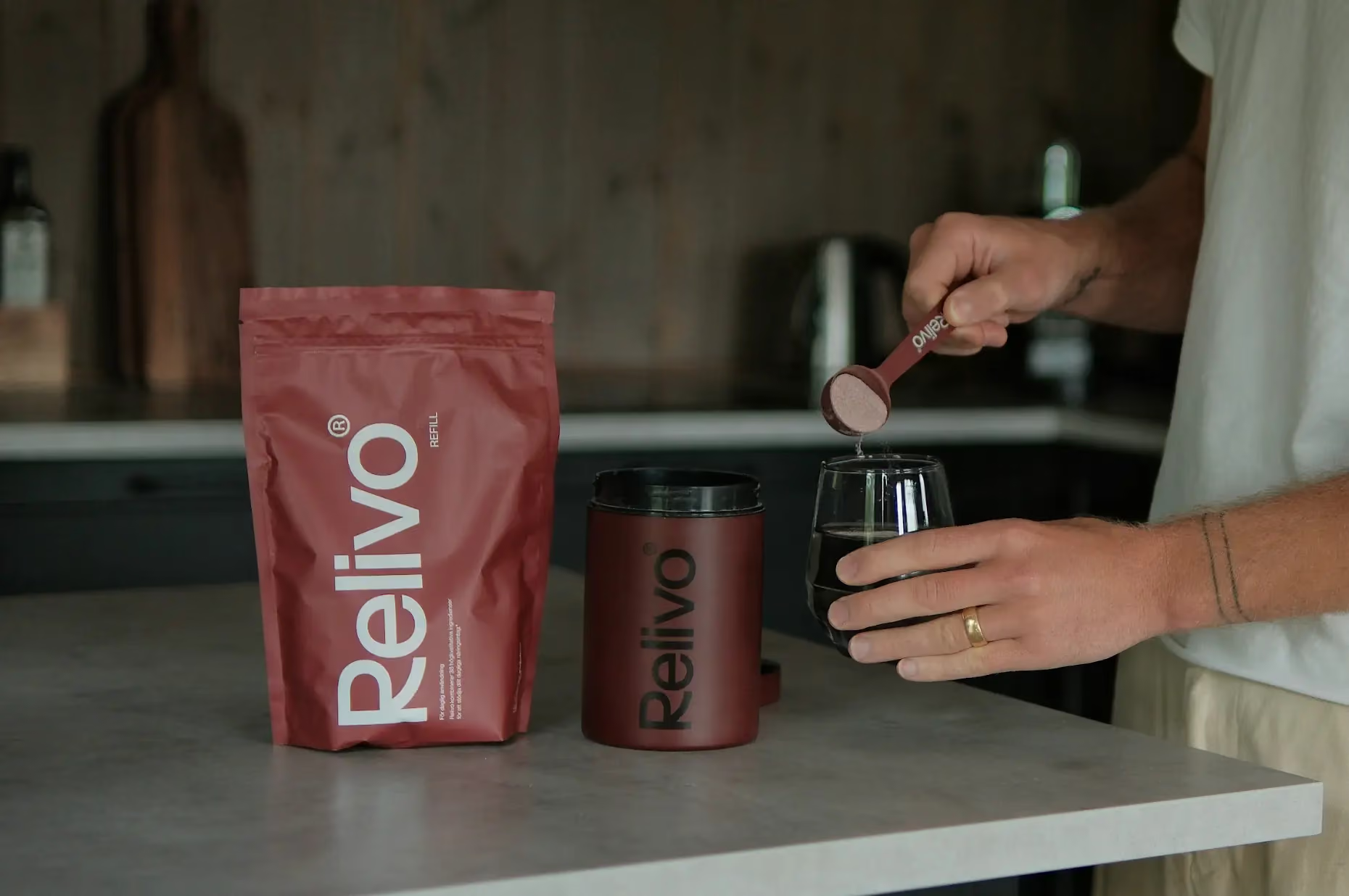
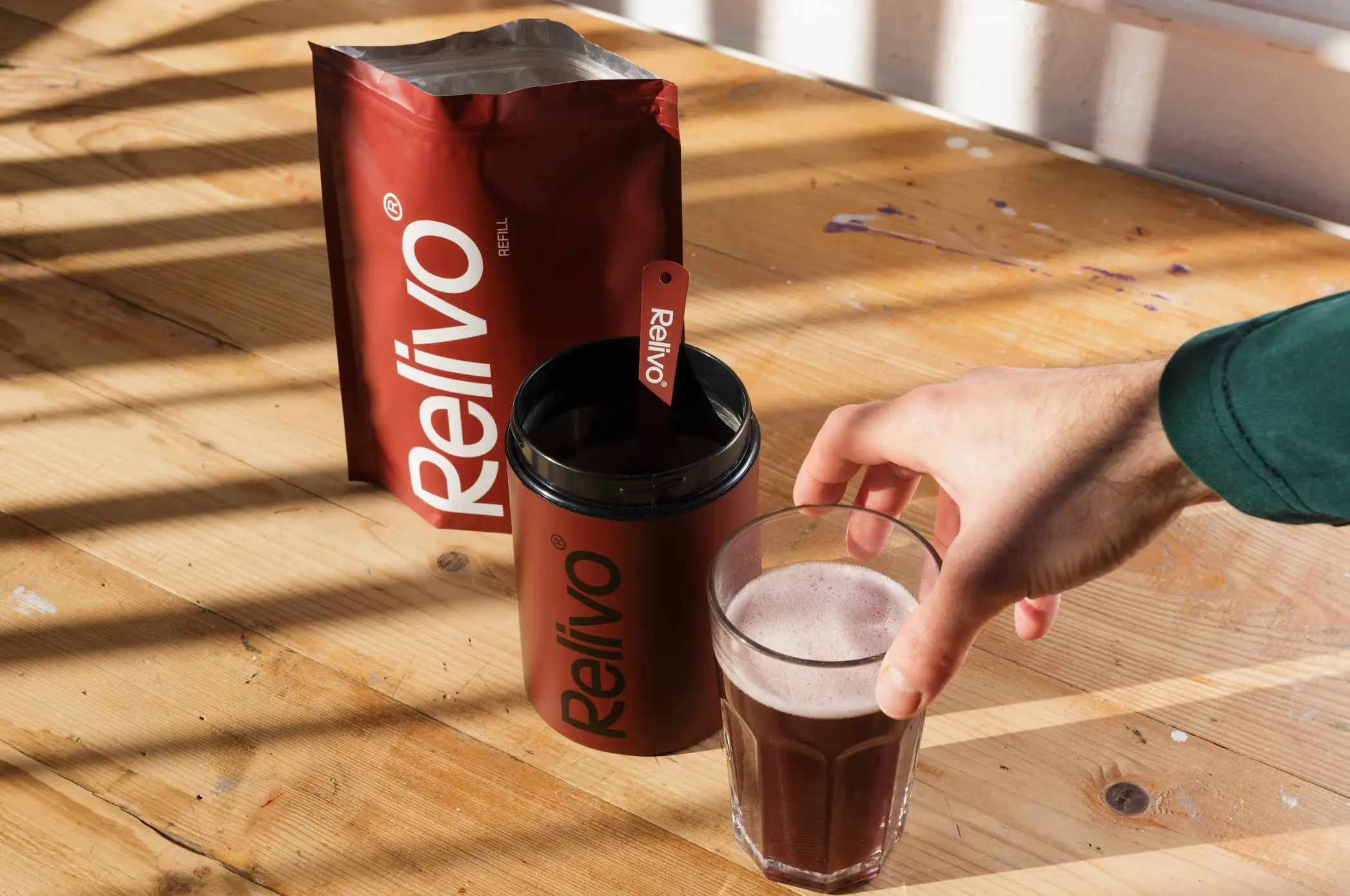
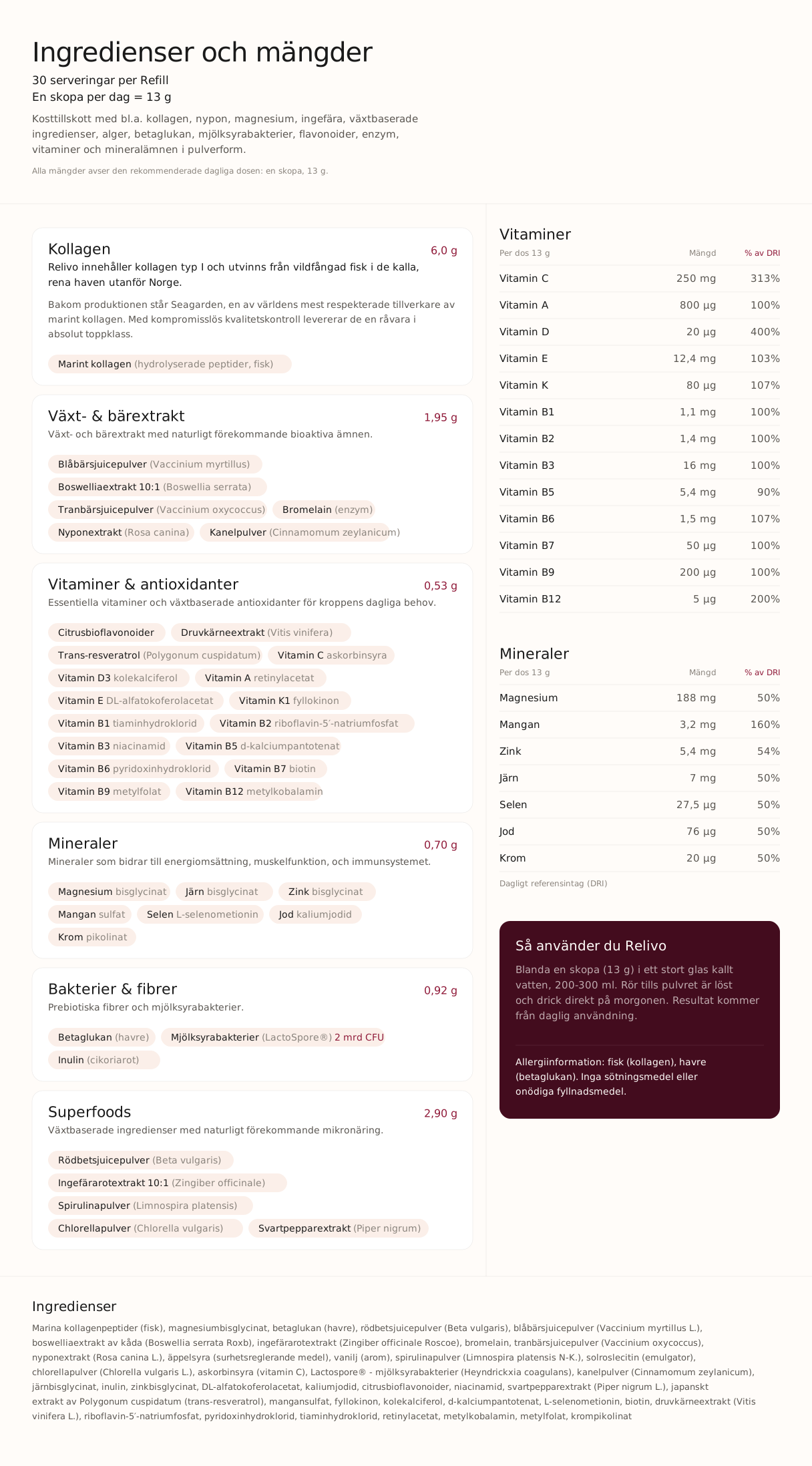
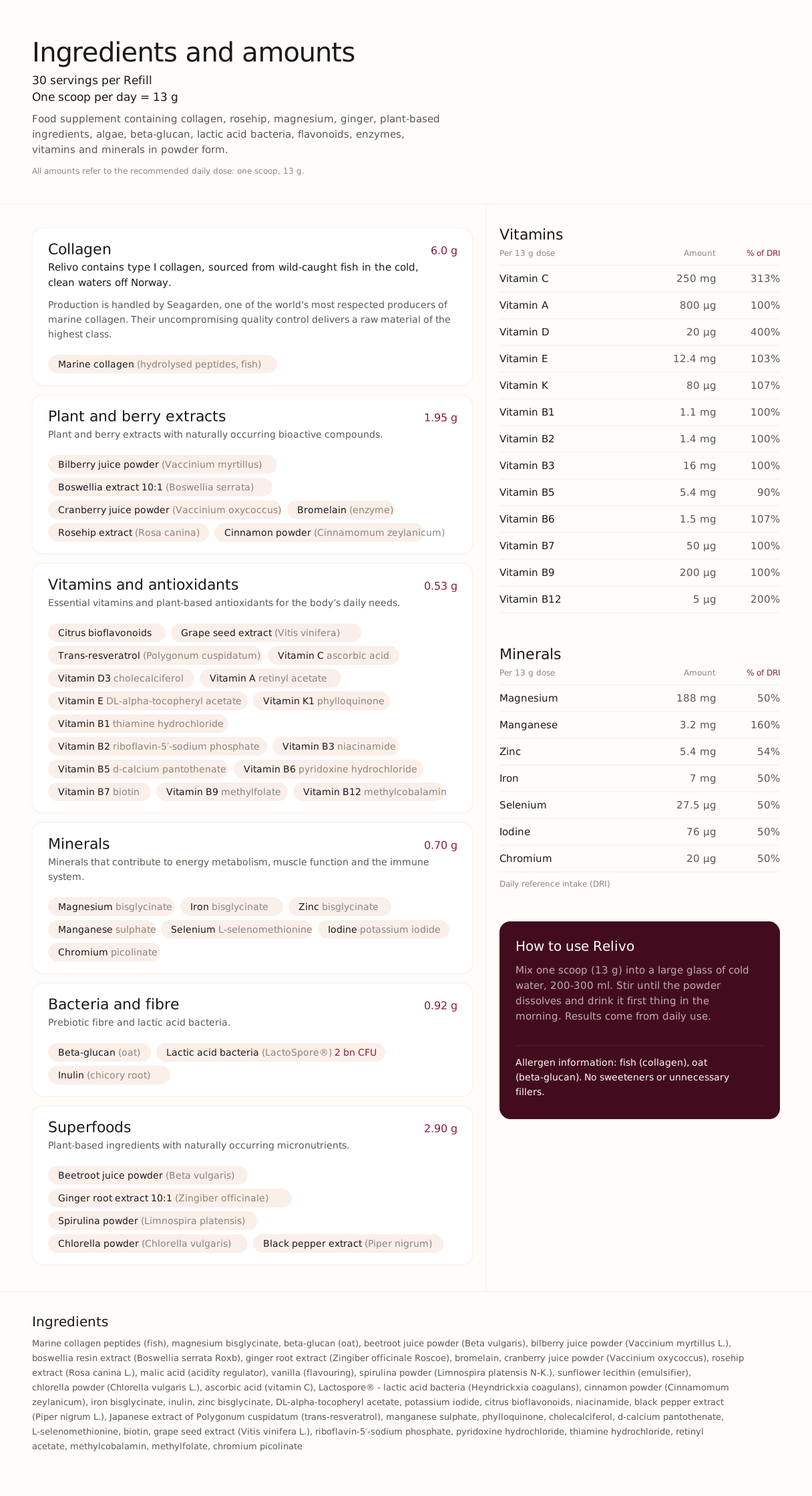
Relivo is a complete daily nutritional supplement developed in collaboration with Swedish scientists and nutritionists. Relivo combines 38 carefully selected nutrients that support the body's most important systems and structures.
All collected in a scoop in powder form, developed to be easy to use and easy to bring into everyday life. Relivo is blended in 60 seconds and is used as a long-term nutritional foundation for energy, immune system, gut health, muscles and joints.
Sources
• EFSA Panel on Dietetic Products (2010). Vitamin C and iron absorption. Available through EFSA.
• Hallberg L et al. (2014). Vitamin C increases non-heme iron absorption. Am J Clin Nutr.
• Piskin E et al. (2022). Iron deficiency without anemia — review. Nutrients.
• SLU Epsilon (2013). Plants as a source of iron. Available as PDF.
• Science and Health (2025). Iron deficiency in high school girls.
• Relivo Research (2026). Vitamin C and Iron Synergy. https://www.relivo.se/artiklar/kombinera-vitamin-c-och-jarn-for-optimal-halsa.