Latest research on HIIT and mental health: Better mood with interval training
Do you struggle with anxiety or stress in a busy everyday life? Discover how high-intensity interval training (HIIT) can provide a quick mood boost and support mental balance — with recent research from 2024-2026.
Introduction
In today's fast pace, anxiety often feels like a constant companion for many Swedes. High-intensity interval training, or HIIT, offers an effective way to counteract it with short, intense workouts.
New research shows how HIIT positively affects the brain and becomes a tool for better mental health. We all have busy schedules, but HIIT only takes 20-30 minutes and produces measurable effects.
This article goes over the science, practical routines and tips for getting started. Let's explore how you can use HIIT to boost your well-being today.
Why HIIT supports mental health
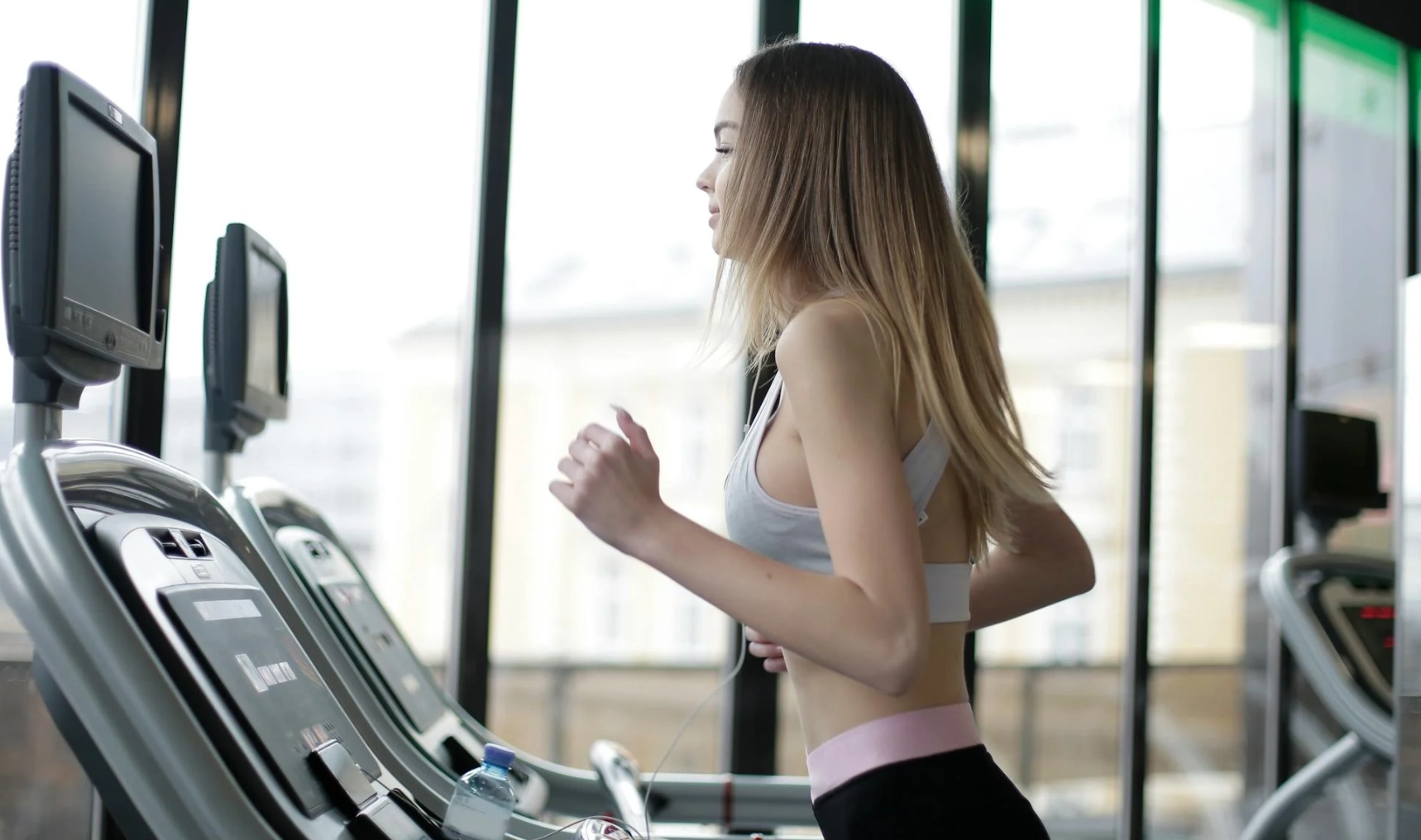
HIIT is about short bursts of maximum effort, such as sprinting or burpees, followed by rest. A single pass can increase positive emotions by up to 12.5% immediately afterwards.
It occurs through the release of endorphins, serotonin and norepinephrine which dampen feelings of anxiety. Studies on young women show decreases in negative affect after a pass.
The effect becomes clearer if you start with higher anxiety levels, as measured by GAD-7. HIIT is perfect for those of us in Stockholm who want to exercise effectively, at home or outside.
Latest research on HIIT and anxiety 2026
Research from GIH and the University of Gothenburg shows that HIIT often beats moderate exercise in anxiety. A meta-analysis sums up improvements in adults, even with mental health challenges.
After 12 weeks, HIIT participants had up to 4.88 times better chance of low anxiety level.
Group HIIT adds social interaction that amplifies the effect.
KI's studies point to physical activity as key to mental balance. These findings from 2025—2026 make HIIT an evidence-based choice for mental health.
HIIT has been tested on different groups and gives consistent results. It works well for both beginners and habitual exercisers. The research underscores the importance of regularity for long-term benefits.
Practical HIIT Routine for Beginners
Start with 3 workouts per week to build habit without overload.
Here is a simple home routine in 25 minutes:
• Warm-up (5 min): Light jogging on the stand or arm circles.
• Main workout (15 min): 8 rounds of 30 sec max effort (jump squats or mountain climbers) + 90 sec rest.
• Decline (5 min): Deep breathing and stretching to calm the mind.
Try outdoors for an extra boost from nature. Use apps like Strava to track progress and keep your motivation up.
After 8 weeks, most people notice cumulative effects on mood.
I've been running this routine myself for months and feel the difference every time.
It becomes like a mental reset after a stressful meeting or working day.
Small steps lead to big changes over time.

Tips for Combining HIIT with Everyday Recovery
Add sauna or hot shower after the workout for better relaxation. Drink plenty of water and eat protein-rich snacks right after for energy.
Choose adaptogens like ashwagandha if you want to support stress management naturally. In Stockholm there are lots of parks for varied training all year round.
Listen to your favorite podcast during the warm-up to make it more fun. Small habits like these build long-term mental strength. Schedule the passes at the same times each week for routine. Combine with walking on other days for balance.
Consistency is the key to sustainable results.
Common Mistakes and How to Avoid Them
Many people exaggerate the intensity from day one and skip rest breaks. Start calmly and listen to your body to avoid exhaustion.
Sleep is crucial - aim for 7—8 hours per night for best effect.
If anxiety feels heavy, add breathing exercises before the workout.
Patience pays off; the effects grow with time. Adjust the routine according to your level to keep it fun.
Don't forget to celebrate small wins, like a clearer mind after the first week.
Build on what feels good for you.
It's about durability, not perfection.
Summary
HIIT and mental health go hand in hand with research showing rapid benefits for mood and balance.
Test the routine yourself and adapt to your everyday life for personalized results.
About Relivo
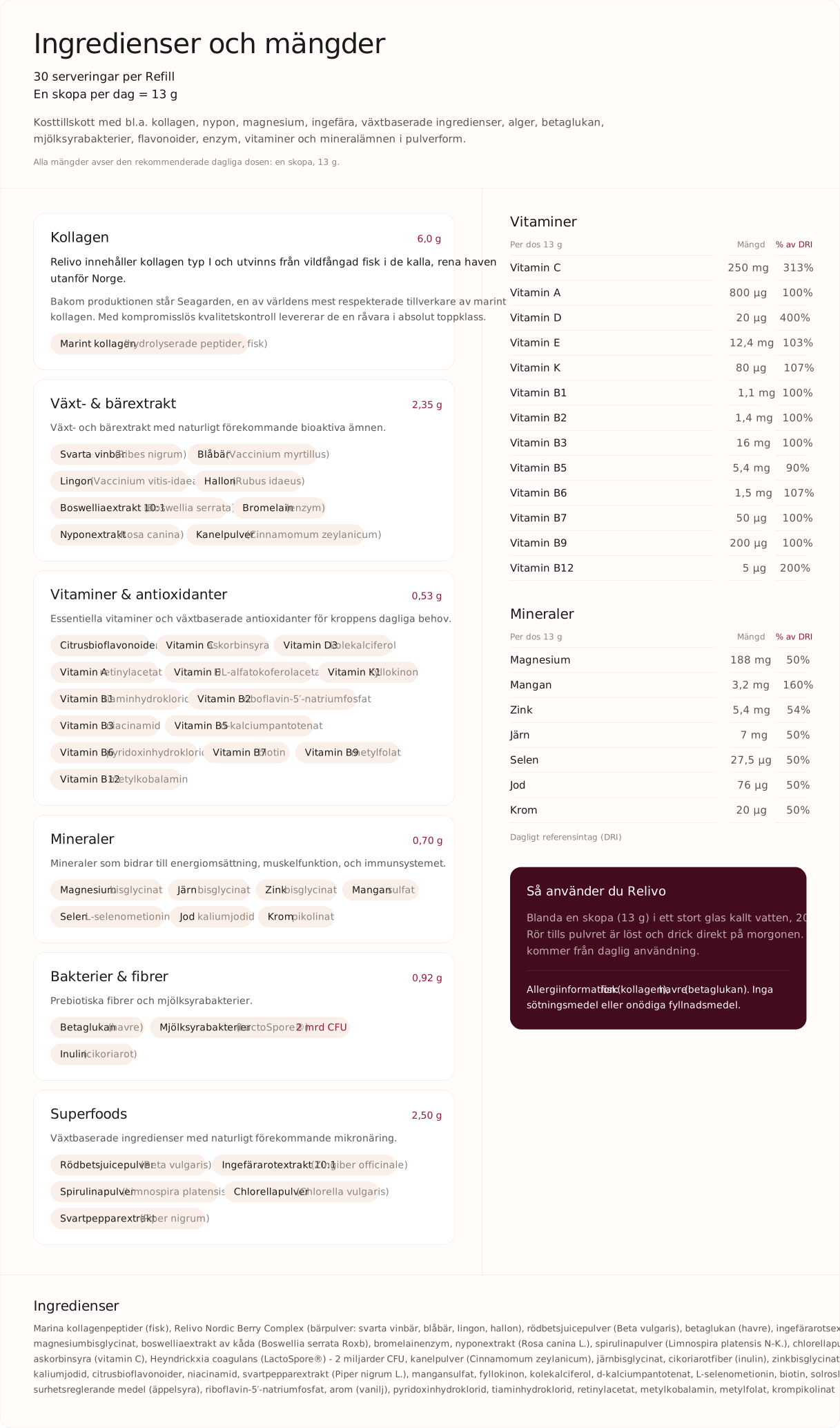
Relivo is a complete daily nutritional supplement developed in collaboration with Swedish scientists and nutritionists. Relivo combines 38 carefully selected nutrients that support the body's most important systems and structures.
All collected in a scoop in powder form, developed to be easy to use and easy to bring into everyday life. Relivo is blended in 60 seconds and is used as a long-term nutritional foundation for energy, immune system, gut health, muscles and joints.
Sources
• Independent work GIH: Effects of HIIT on state of mind in young women.
• PubMed: HIIT against depression/anxiety in healthy population (meta-analysis).
• The psychiatry specialists: HIIT effective against depression/anxiety (BJSM meta-analysis).
• University of Gothenburg: Physical Exercise in Anxiety (Journal of Affective Disorders).
• KI: Promoting healthy lifestyles for mental health.