B12, iron and the oxygenation of the brain - therefore, brain fog decreases
Do you often feel mentally sluggish or like your brain is lagging behind? Here we break down how B12 and iron support oxygenation to the brain for better everyday clarity.

Introduction
Fog brain - the diffuse fatigue of thought - affects millions. Often it is a matter of insufficient oxygen supply to the brain cells.
The brain devours 20 percent of the body's oxygen but weighs only two percent. When oxygenation lags, focus and memory suffer.
B12 and iron are key players in that chain - they ensure red blood cells efficiently transport oxygen from lungs to brain.
The role of B12 in blood and nerves
Vitamin B12, or cobalamin, is needed for the bone marrow to produce healthy red blood cells. Deficiency produces larger, less efficient cells that carry worse with oxygen.
B12 also contributes to myelin - the protective membrane around nerve fibers in the brain that ensures rapid signals. Low levels are linked to poorer memory, concentration and orientation in studies on the elderly.
Iron: the engine of the oxygen carrier
Iron makes up the heart of hemoglobin, the protein that captures oxygen in the lungs and releases it to brain cells.
With iron deficiency, hemoglobin levels drop. The brain receives less oxygen, which slows cognitive functions such as logical thinking and attention.
Iron is also needed for neurotransmitters such as dopamine and serotonin - directly linked to mental energy.
How B12 and Iron Interact
B12 and iron complement each other: B12 enables blood cell production, iron charges them with oxygen. Together, they optimize oxygenation.
Combined deficiency is more common than expected, especially in vegetarians, pregnant women and the elderly with reduced gastric acidity.
High homocysteine levels - a sign of B12 deficiency -- correlate with impaired cognition in research.

Signs of insufficient oxygenation
Mental toughness, poorer short-term memory and fatigue despite sleep point to problems. Physical hints: pale skin, shortness of breath, tingling.
Women lose iron monthly. Older people have worse B12 uptake. Stress and grain-rich diets often exacerbate. Blood tests (ferritin, B12, hemoglobin) reveal imbalance quickly in doctors.
Practical tips for better oxygenation
Eat heme iron from meat/fish with vitamin C-rich vegetables for optimal absorption. B12 from liver, eggs, salmon. Choose active forms: methylcobalamin for B12, bisglycinate for iron - gentle for the stomach.
Daily intake for 4—8 weeks is needed for measurable effect on energy and clarity. Combine with walking for extra oxygen boost.
When are B12 and iron particularly good?
Perfect for those who:
• Feeling mental fatigue despite rest.
• Liver plant-based or have intense menstrual cycles.
• Requires brain work all day long.
Always supplement with varied diet - no quick fix replaces the whole.
Summary
B12 and iron provide the brain with basic oxygen for stable clarity throughout the day. Test levels, optimize intake and give it time - the difference becomes clear.
About Relivo
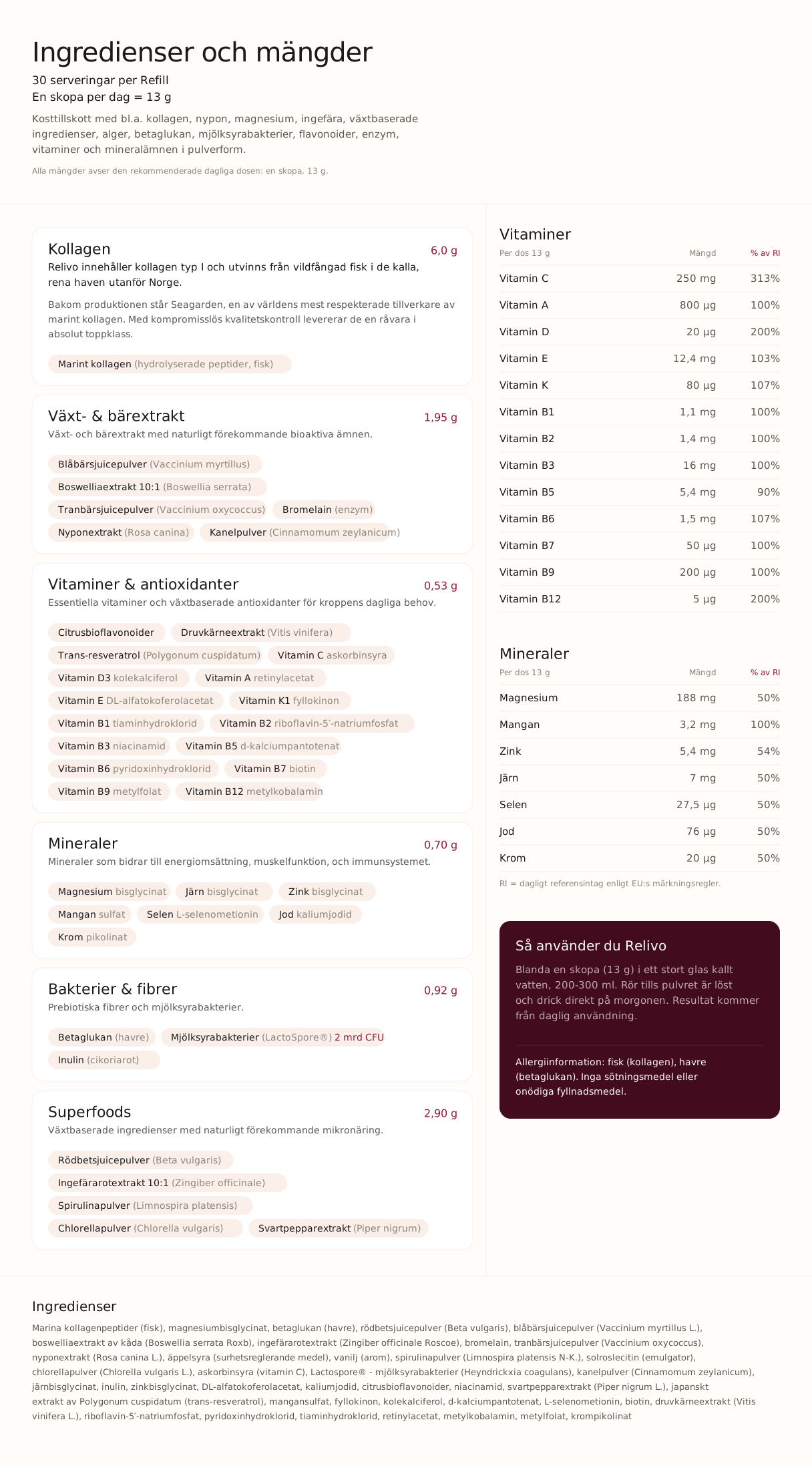
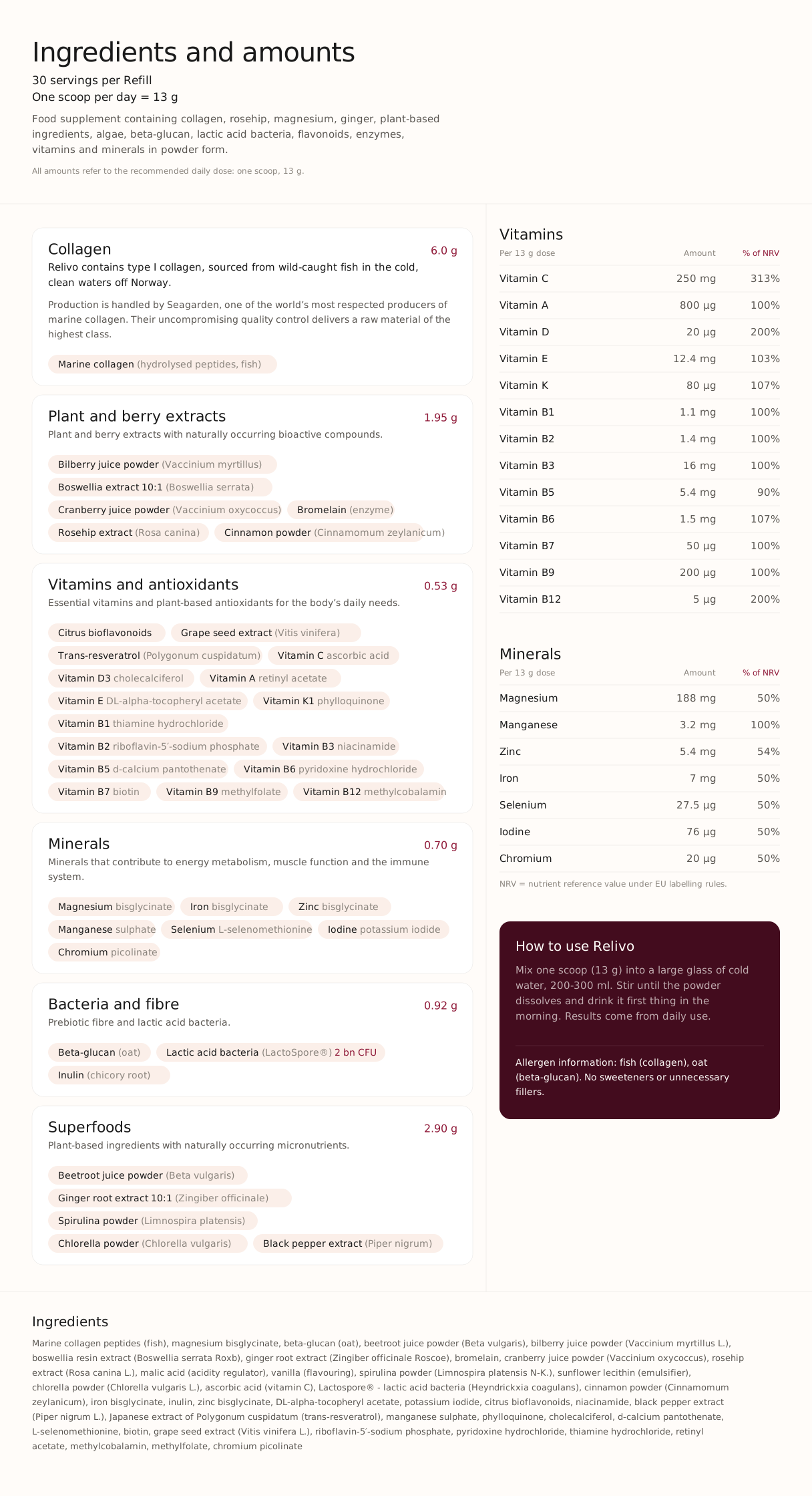
Relivo is a complete daily nutritional supplement developed in collaboration with Swedish scientists and nutritionists. Relivo combines 38 carefully selected nutrients that support the body's most important systems and structures.
All collected in a scoop in powder form, developed to be easy to use and easy to bring into everyday life. Relivo is blended in 60 seconds and is used as a long-term nutritional foundation for energy, immune system, gut health, muscles and joints.
Sources
• https://portal.research.lu.se/sv/publications/cobalaminfolate-status-and-its-relation-to-cognition-and-behaviou
• https://slideplayer.se/slide/17722086/
• https://elexirpharma.se/blogs/produktartiklar/varfor-ar-jarn-sa-viktigt
• https://kurera.se/vitamin-b12-kobalamin/
• https://ekoappen.se/fakta-om-vitamin-b12-kobalamin/
• https://dystoniarecoveryprogram.com/sv/dystoni-och-jarnbrist/
• https://medisera.se/fragor-svar/blodvarde-jarn-b-vitamin-hur-kan-jag-paverka/