Magnesium for muscles and the nervous system during menopause
Do you experience stiffness, tingling, or a hypersensitive nervous system during menopause? Magnesium supports muscle function and the nervous system—which is especially important when hormones are changing.

Introduction
Menopause affects not only hormones but often how muscles and the nervous system function as well. Many people experience new stiffness, restless legs, or difficulty winding down in the evening.
Magnesium is involved in over 300 enzyme reactions and contributes to normal muscle function, nervous system function, and reduced fatigue. During a phase of sleep deprivation and stress, this mineral becomes especially relevant.
What happens to muscles and the nervous system during menopause?
Estrogen levels gradually decrease, affecting temperature regulation, sleep quality, and stress management. This can lead to muscle tension, nighttime awakenings, and a body that feels "on alert" despite being tired.
Many report:
• Stiffness and aches that weren't there before.
• Tingling or restlessness in the legs at night.
• Increased sensitivity to stress and noise.
These experiences are linked to hormonal changes, poorer sleep, and a nervous system that becomes more reactive.
Magnesium - what does it do in the body?
Fundamental functions
Magnesium is an essential mineral that:
• Contributes to normal muscle function (contraction and relaxation).
• Supports the normal function of the nervous system (signaling).
• Is involved in energy metabolism and reduces fatigue.
The body cannot produce magnesium and must obtain it through diet. The need often increases during times of stress and sleep deprivation.

Common dietary sources of magnesium
• Nuts/seeds (almonds, pumpkin seeds)
• Leafy greens (spinach, kale)
• Whole grains (oats, quinoa)
• Legumes (lentils, beans)
Many people do not get the recommended daily amounts, especially during busy periods or when eating an inconsistent diet.
Magnesium and muscle function during menopause
Why muscles are affected
Declining estrogen affects connective tissue, joints, and muscle recovery. Combined with poorer sleep, muscles become prone to tension or soreness.
Magnesium helps muscles relax after contraction. It counteracts overactivity in muscle cells that can cause cramping sensations or stiffness.
Practical observations
Women in menopause often describe:
• Longer recovery times after walks or exercise.
• Tense shoulders and jaws in the evening.
• Restless legs that disrupt sleep.
Adequate magnesium can support these processes through its role in muscle function.
Magnesium and the nervous system during menopause
Challenges for the nervous system
Hormonal fluctuations make the nervous system more sensitive. You may react more strongly to stress, have difficulty falling asleep, or wake up frequently at night.
Magnesium dampens overactivity in nerve cells and supports GABA – a calming signaling system in the brain. It helps the nervous system function normally under pressure.
The sleep and stress connection
Sleep deprivation exacerbates both muscle tension and nervous restlessness. Magnesium's role in energy production and relaxation is therefore twofold: it supports both physical and mental recovery.
How much magnesium do you need?
The recommended daily intake for women 50+ is approximately 280–320 mg. Your needs may increase during:
• High physical activity
• Stressful periods
• Sleep issues
• An inconsistent diet
Magnesium in synergy with other nutrients
B vitamins for energy metabolism
Magnesium works with B6, B12, and folate in energy production. Together, they support the nervous system and reduce fatigue—which is especially relevant for brain fog.
The calcium-vitamin D balance
Magnesium is required to activate vitamin D, which in turn regulates calcium absorption. All three are essential for muscle, bone, and nerve function during menopause.
Over 300 enzyme reactions
Magnesium activates enzymes for protein synthesis, DNA repair, and antioxidant defense. It is a cornerstone of daily cellular function.

Practical strategies for better magnesium levels
Dietary tips:
• Eat a handful of nuts between meals.
• Choose whole grain products instead of white flour.
Lifestyle:
• Combine with evening yoga or stretching to enhance the relaxation effect.
• Reduce caffeine late in the day, as it competes with magnesium absorption.
• Prioritize sleep routines that complement mineral support.
Frequently asked questions about magnesium during menopause
Can magnesium help with restless legs?
Magnesium contributes to normal muscle function, which can be beneficial for such issues.
Does it take time to notice an effect?
Consistency over several weeks yields the best results. The body's magnesium stores are replenished gradually.
Is there a risk of side effects?
Stick to the recommended doses. Excess amounts are normally excreted by the kidneys.
Summary
Menopause challenges the muscles and nervous system in new ways. Magnesium supports their normal function when hormones fluctuate and sleep is disrupted.
Through diet, supplements, and lifestyle, you can give your body better conditions. Magnesium is not a quick fix, but a fundamental building block for everyday balance.
About Relivo
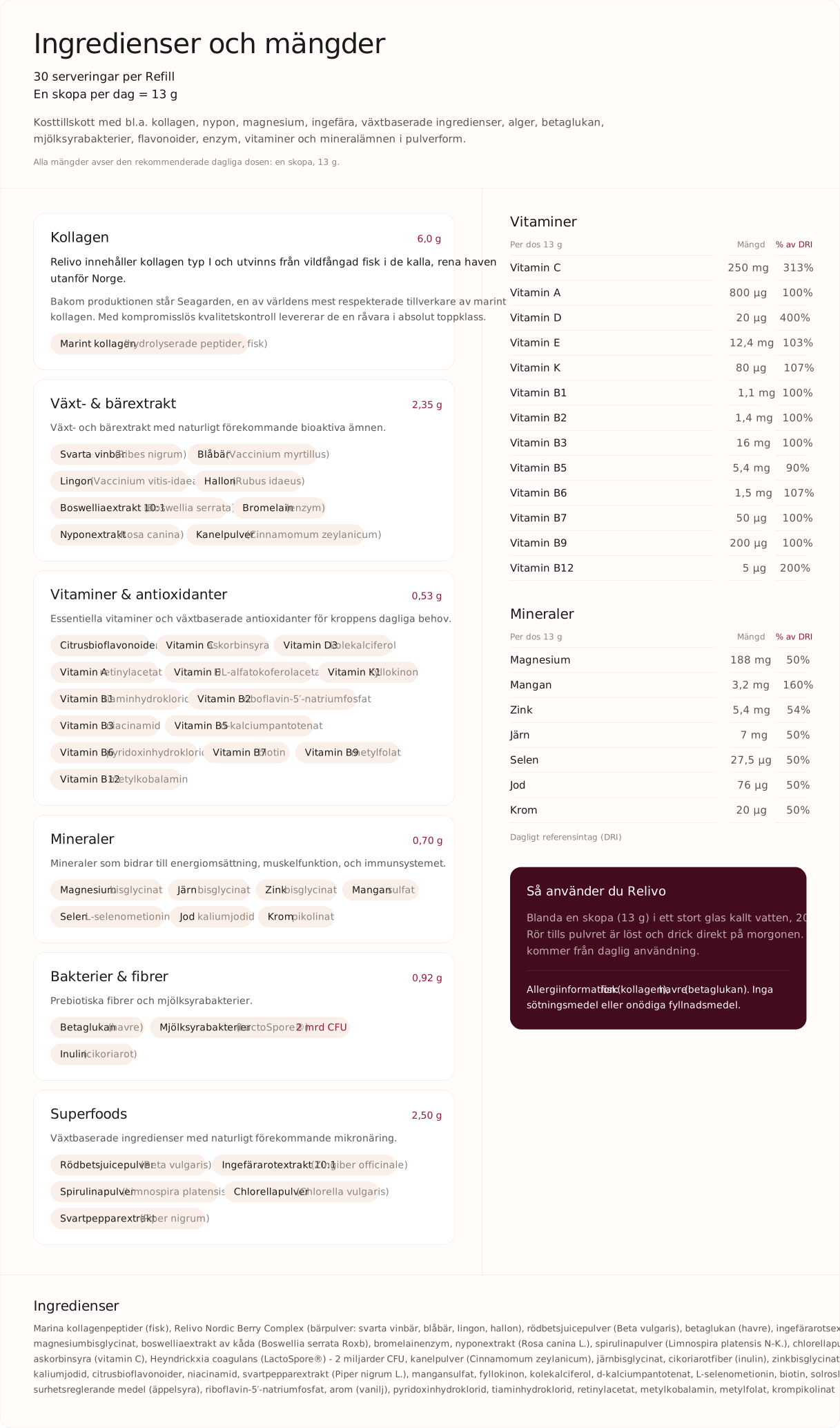
Relivo is a complete daily nutritional supplement developed in collaboration with Swedish researchers and nutritionists. Relivo combines 38 carefully selected nutrients that support the body's most important systems and structures.
Everything is gathered in one scoop of powder, developed to be simple to use and easy to incorporate into your daily routine. Relivo mixes in 60 seconds and serves as a long-term nutritional foundation for energy, immune system, gut health, muscles, and joints.
Sources
Sources:
• 1177 Vårdguiden – Menopause
• National Food Agency – Magnesium recommendations
• EFSA – Authorized health claims for magnesium
• Vetenskap & Hälsa – Menopause symptoms
• Relivo.se – Mineral content