Should you take Relivo if you are over 50? The nutritional needs that change
After 50, the body becomes less efficient at absorbing nutrients, even as the need for certain nutrients actually increases. Here is what changes—and whether Relivo fits into this new balance.

Introduction
Something happens around the age of 50. The body still works, but it starts playing by a different set of rules. Muscles respond more slowly to strength training. Sleep becomes lighter. Recovery takes longer. Hair might thin out a bit. And that afternoon cup of coffee you’ve been drinking for decades—suddenly, it might cost you a night of poor sleep.
This is the period when nutrition starts to play a somewhat different role. Some nutrients are absorbed less effectively by the body. Others are needed in higher amounts. And some of what you’ve previously gotten "for free" from your diet suddenly starts to require conscious planning.
The question many ask is: is a varied diet enough? Do I need to take a supplement? And does a product like Relivo fit into this specific phase? In this guide, we go through what changes in the body after 50, which nutrients become extra important, what Relivo actually covers—and what you might need to supplement with.
What changes in the body after 50?
Seven biological changes consistently appear in aging research:
1. Stomach acid decreases. About 30 percent of people over 60 have lower stomach acid than normal. This directly affects the absorption of B12, iron, calcium, and zinc.
2. Muscle mass begins to decline. The phenomenon is called sarcopenia. From the age of 30, we lose about 1 percent of muscle mass per year—and the pace accelerates after 50 if we don't actively build it up.
3. Bone mass decreases. Especially significant in women after menopause. Calcium, vitamin D, and K2 become central.
4. Collagen production slows down. From the age of 25, it decreases by about 1 percent per year. After 50, it becomes noticeable in the skin, joints, and tendons.
5. Sleep changes. The proportion of deep sleep decreases. Waking up becomes more common. Melatonin production is lower.
6. Hormonal shifts. Menopause for women, gradual testosterone decline for men. Read more in Menopause and moodand Testosterone after 40.
7. Thirst and hunger signals become weaker. Many people over 60 drink too little water and eat less than they need.
In summary: the body requires awareness in new ways.
The seven nutrients that become extra important after 50
Here are the nutrients that research consistently highlights for this age group.
1. Vitamin B12 - the hardest to get from diet
B12 absorption requires stomach acid and a molecule called intrinsic factor. Both decrease with age. An estimated 15–20 percent of people over 60 have low B12 levels.
B12 deficiency shows up subtly: fatigue, brain fog, tingling in hands and feet, and impaired memory. Vitamin B12 contributes to normal nervous system function and to the reduction of tiredness and fatigue, according to EU health claims.
2. Vitamin D - even more important in northern climates
The skin produces less vitamin D with age, while many people over 50 spend less time outdoors. In Sweden, where the sun is too low from October to March, the winter season becomes particularly challenging.
Vitamin D contributes to normal calcium absorption, normal muscle function, a normal immune system, and the maintenance of normal bones.
3. Calcium and K2 - the bone duo
Bone breakdown accelerates after menopause in women and continues slowly in men. Calcium contributes to the maintenance of normal bones, and K2 directs calcium to the skeleton rather than to soft tissue.
Read more in Vitamin D, K2, and magnesium – the skeletal trio.
4. Magnesium - the nervous system, sleep, and muscles
Magnesium deficiency is one of the most commonly underestimated nutritional deficiencies in the Nordic region, and it becomes even more common with age. It contributes to normal muscle function, normal nervous system function, and normal psychological function.
Magnesium bisglycinate is one of the gentlest forms for the stomach.
5. Protein - the need increases rather than decreases
Many believe that protein requirements decrease with age. The opposite is closer to the truth. To counteract sarcopenia, many sports dietitians and gerontologists recommend 1.2–1.6 grams of protein per kilo of body weight for active people over 50.
Note: Relivo is not a protein shake. You need to cover this requirement through food.
6. Collagen - for skin, joints, and tendons
The body's own collagen production declines with age. Studies have shown that marine collagen type I in supplement form supports skin and joint health when taken regularly over time.
7. Antioxidants - to manage oxidative stress
Oxidative stress increases with age, and the body's own defense systems weaken slightly. Vitamin C, vitamin E, selenium, and zinc work together to protect cells - which becomes especially relevant after 50.
How Relivo covers nutritional needs after 50
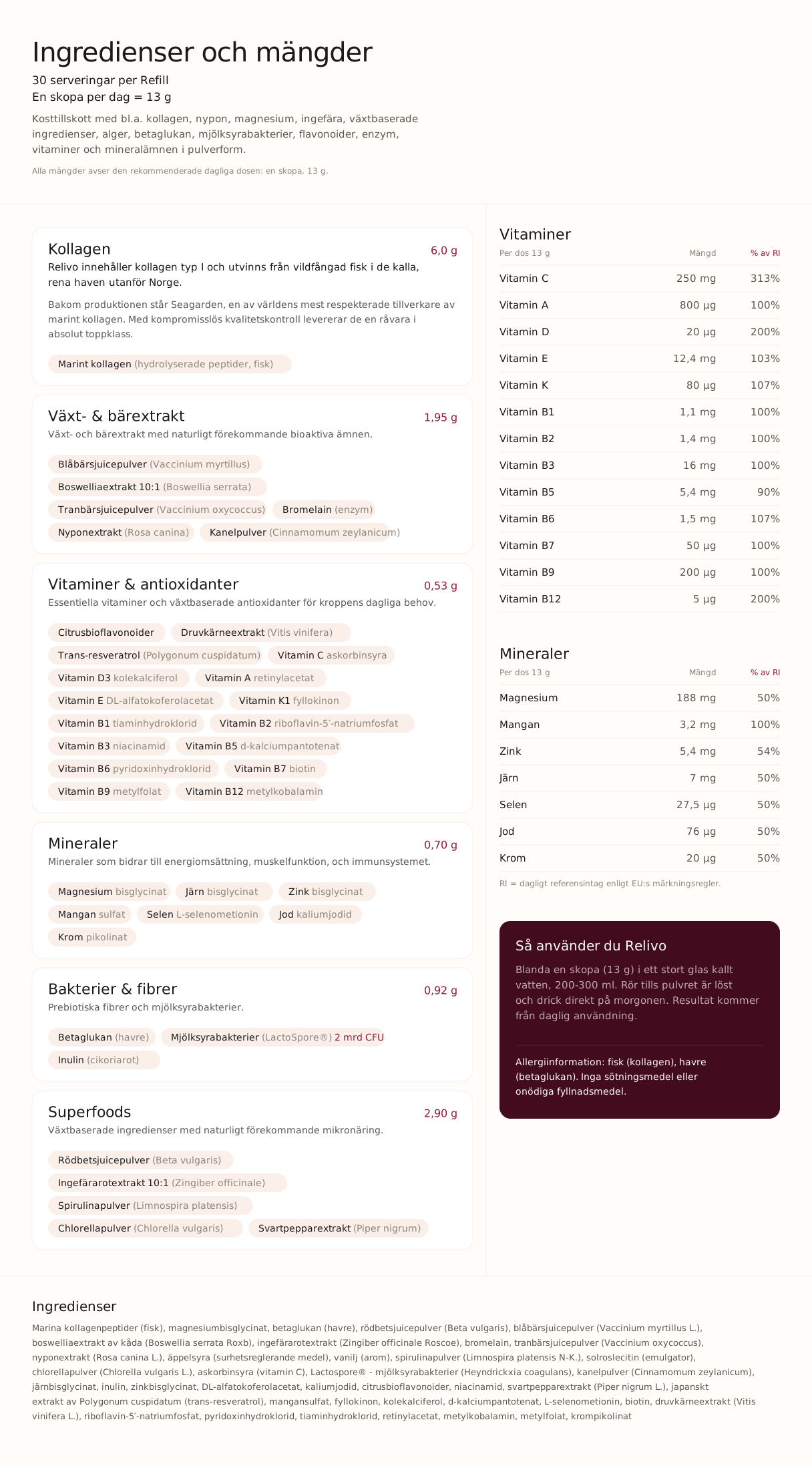
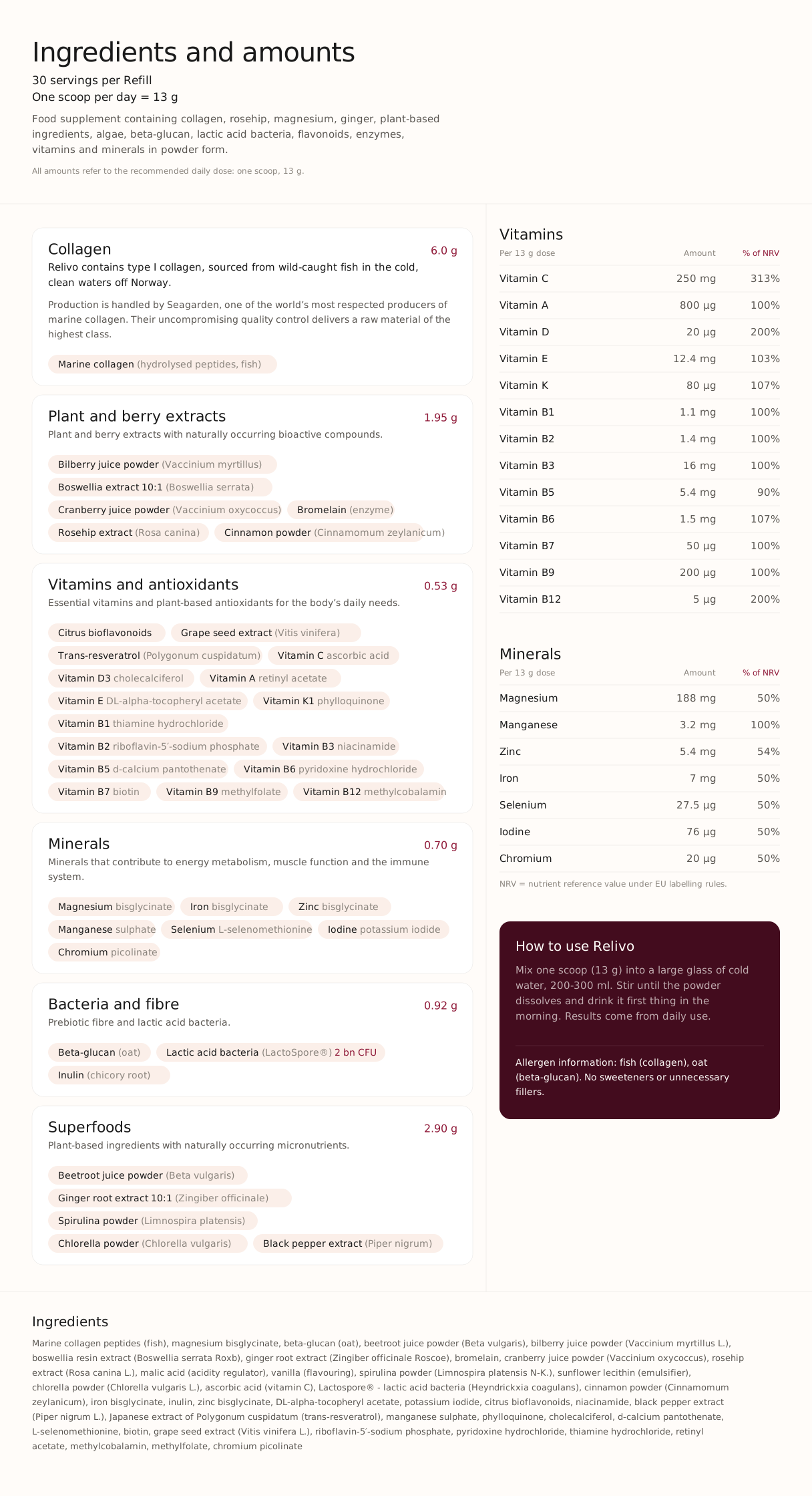
Here is an honest breakdown of what Relivo actually contributes in relation to the 50+ needs mentioned above.
Covers well:
- B12 and the entire B-complex
- Vitamin D
- Vitamin K
- Magnesium (as bisglycinate)
- Selenium and zinc
- Vitamin C and vitamin E
- Marine collagen
- Polyphenols from blueberries, boswellia, ginger, and rosehip
- Lactospore® probiotics (for digestion, which often becomes more sensitive)
Partially covers:
- Iron (relevant for some, less so for postmenopausal women)
Does NOT cover:
- Sufficient protein (Relivo provides small amounts from collagen - your main protein intake must come from food)
- Omega-3 (needs to be supplemented separately, for example via fatty fish 2–3 times a week or an omega-3 supplement)
In summary: Relivo is designed to suit many of the needs of those 50+. It is not a complete replacement for everything - but it covers the critical basic nutrition where Swedish intake studies often show gaps.
Medications that affect nutrient absorption - something to be aware of
Certain common medications for people over 50 can affect the absorption of nutrients:
- PPIs (acid reducers like Omeprazole) - impaired absorption of B12, magnesium, and calcium
- Metformin (for type 2 diabetes) - can lower B12
- Diuretics (water pills) - can lower potassium and magnesium
- Statins - can affect the body's Q10 levels
If you are taking any of these, it is worth talking to your doctor about whether your nutritional status should be checked regularly - and if there is a reason to support it with supplements. Never stop taking medication on your own.
Lifestyle after 50 - what makes nutrition relevant
Nutrition is a pillar, but not a standalone savior. Here are the lifestyle factors that research most clearly highlights for this age group:
Strength training 2–3 times a week. The single most powerful lever against sarcopenia.
Zone 2 training as a foundation. Builds metabolic capacity. Read more in Zone 2 training – the research behind the trend.
7–9 hours of sleep. Deep sleep is where the body performs maintenance.
Social networks. According to research on Blue Zones, one of the most powerful longevity factors. Read more in Blue Zones.
Regular hydration. Thirst signals are weaker - keep a water bottle handy.
When should you check your nutritional levels?
At 50, it is wise to have an initial health check-up if you haven't already. Blood tests that are especially valuable for this age group:
- Vitamin B12 and folate
- Vitamin D (25-OH)
- Ferritin (especially if you are a pre/perimenopausal woman or an active athlete)
- Magnesium
- HbA1c (blood sugar balance)
- Lipid profile
Many people order these tests through their primary care provider or private testing services. Discuss the results with a doctor or dietitian to ensure proper follow-up.
Summary
After 50, the body changes in several ways that make nutrition more, rather than less, important. Stomach acid levels decrease, muscle mass begins to decline, hormonal shifts occur, and the need for certain nutrients increases while absorption may become less efficient.
Relivo is designed to cover many of the critical baseline needs for this age group: B12 and the full B-complex, vitamin D, K2, calcium, magnesium, collagen, antioxidants, and Q10. It does not replace protein from food or omega-3 from fatty fish—but as a stable nutritional foundation during a period when the body is facing new demands, Relivo is one of the most logical solutions on the market.
Combine this with strength training, sleep, social connections, and regular health check-ups, and you have the most evidence-based pillars for health after 50 all in one place.
About Relivo
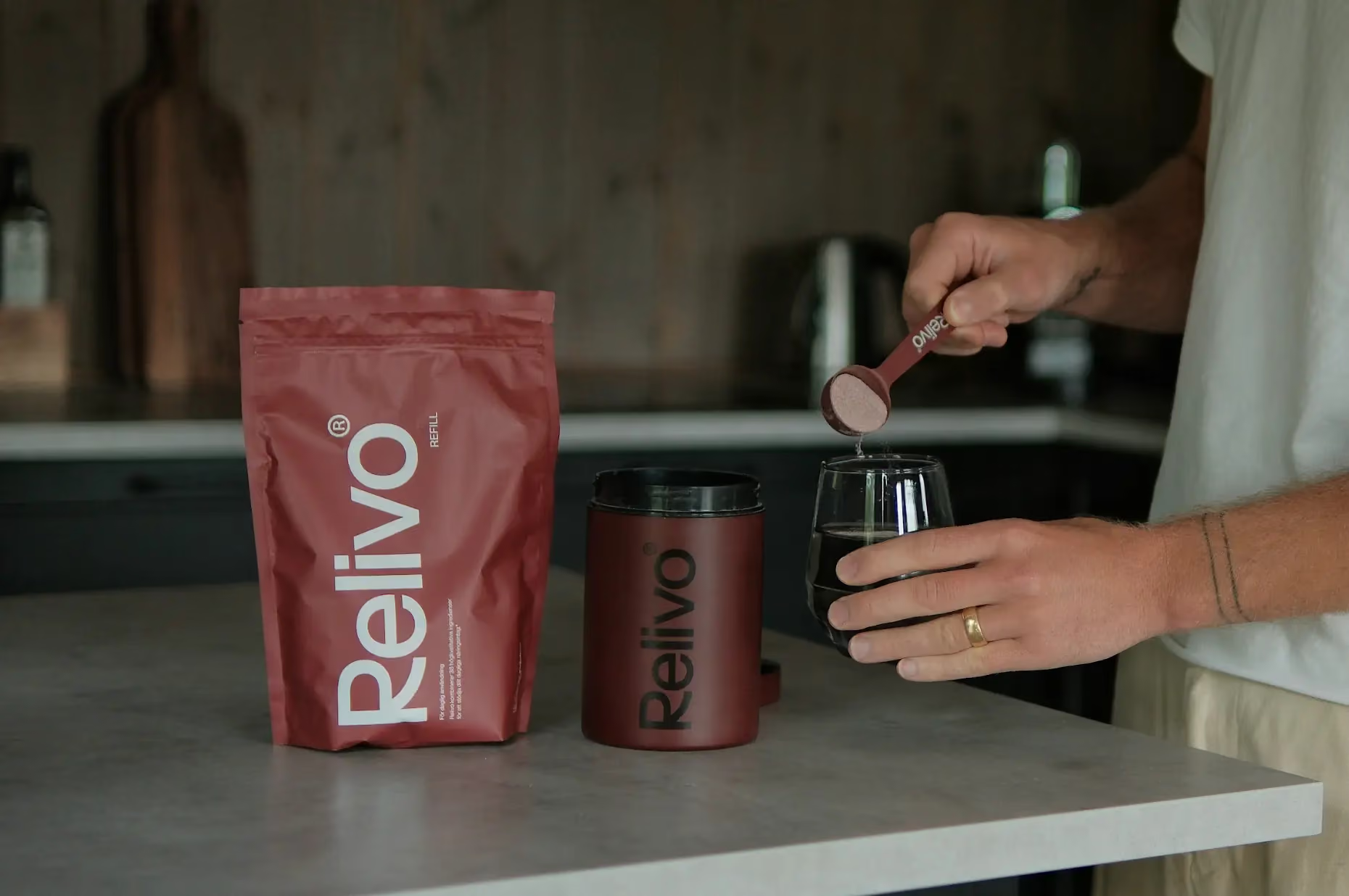
Relivo is a complete daily nutritional supplement developed in collaboration with Swedish researchers and nutritionists. Relivo combines 38 carefully selected nutrients that support the body's most important systems and structures.
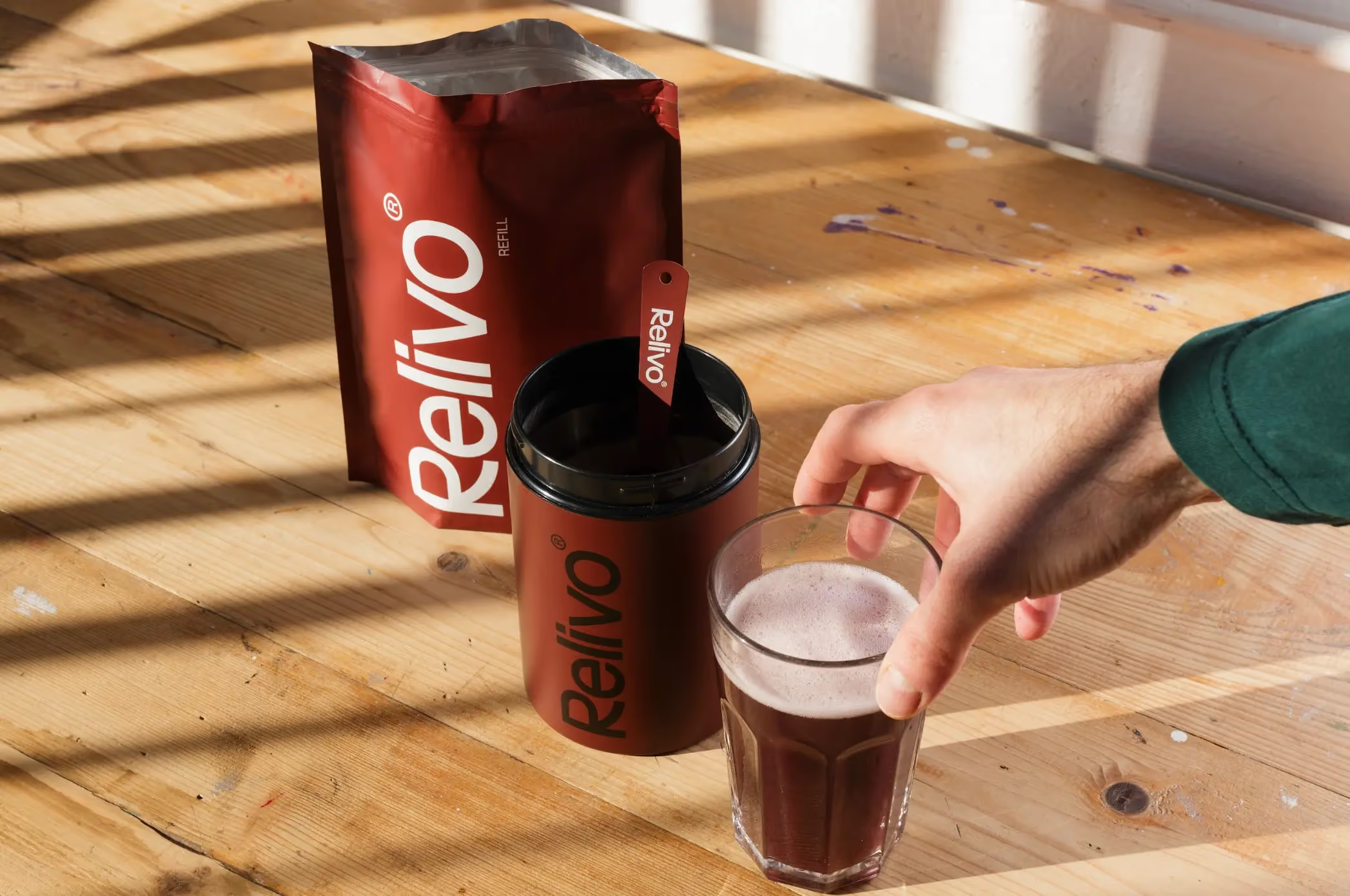
Everything is gathered in one scoop of powder, developed to be simple to use and easy to incorporate into your daily routine. Relivo mixes in 60 seconds and serves as a long-term nutritional foundation for energy, immune function, gut health, muscles, and joints.
Sources
- Allen LH – How common is vitamin B-12 deficiency? (American Journal of Clinical Nutrition)
- Cruz-Jentoft AJ et al. – Sarcopenia: revised European consensus on definition and diagnosis
- Bauer J et al. – Evidence-based recommendations for optimal dietary protein intake in older people (PROT-AGE Study Group)
- Holick MF – Vitamin D deficiency in adults and its role in bone health
- Cashman KD et al. – Vitamin D deficiency in Europe: pandemic?
- Rondanelli M et al. – Update on nutrients involved in maintaining healthy bone
- Sikorska H et al. – Collagen peptide supplementation and its effect on skin
- EFSA – Health claims for vitamins and minerals
- Swedish Food Agency – Dietary guidelines for the elderly
- 1177 – Nutritional deficiency