Chromium, magnesium and blood sugar balance - what happens in muscles and liver?
Blood sugar isn't just about cravings for sweets and tiredness after lunch. Chromium and magnesium work quietly in muscles and liver to keep your blood sugar balance more stable — every day.
Introduction
You don't need to have a diagnosis to notice shaky blood sugar. Many people recognize the dip after lunch, the sweet craving on the couch or the difficulty of focusing in the afternoon.
Behind the scenes, insulin, muscles and liver work together - and here the minerals chromium and magnesium play a bigger role than most people think.
If you understand how chromium and magnesium affect blood sugar balance in muscles and liver, it will be much easier to make smart choices in everyday life - both with diet and supplements.
What is blood sugar balance - and why is it so sensitive?
Blood sugar balance is about how evenly the levels of glucose in your blood are kept throughout the day. When you eat carbohydrates, they break down into glucose, which is absorbed into the blood and either used directly as energy or stored in, above all, the liver and muscles.
The hormone insulin helps glucose enter the cells. If the balance between food, movement, insulin and the sensitivity of tissues is disturbed, the curve becomes more “roller coaster” than soft.
Chromium: the forgotten insulin helper
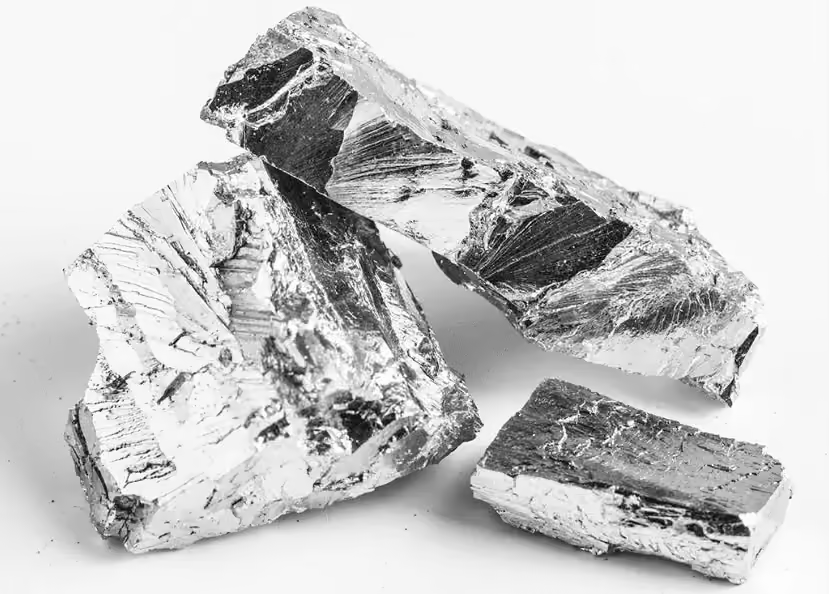
Chromium is a trace element - you need very little, but it makes a big difference to how insulin works.
Chromium is often linked to something called glucose tolerance factor (GTF), a complex substance in the body that allows insulin to “take” better in cells' receptors.
Simplified: chromium helps the insulin key fit better in the lock, so that glucose enters the cells more smoothly instead of circulating for a long time in the blood.
How does chromium affect blood sugar uptake by muscles?
Muscles are the body's largest “glucose store” and account for much of the uptake after a meal. When the insulin binds to the muscle cell receptor, gates (GLUT4 transporters) in the cell membrane open and let glucose in.
Chromium can help make this signal more effective, meaning that more blood sugar ends up where it should - in the muscles - instead of producing long-lasting high levels in the blood.
Chromium and the liver: the control center of blood sugar
The liver acts as the body's blood sugar buffer. It stores glucose as glycogen and releases it when you're not eating.
When insulin sensitivity is good, the liver listens better to the signal “now is enough”, reducing unnecessary release of glucose between meals.
Chromium's role in the action of insulin allows this fine-tuning to work more smoothly, so that the liver does not “overreact” and push on unnecessary oscillations.
Magnesium: the mineral behind hundreds of reactions
Magnesium is involved in over 300 enzyme reactions - including several that control blood sugar balance, energy production and muscle work. In order for glucose to be broken down in the cell (glycolysis), magnesium is needed in several steps, as a cofactor to the enzymes.
Magnesium is also needed for the insulin receptor to function normally, making the mineral important both for the uptake and use of blood sugar.

Magnesium and Muscles' Use of Glucose
When you move, the muscles' need for energy increases - and thus also glucose uptake. Magnesium is central to muscle contraction and recovery, and to how ATP (the cell's energy currency) is managed in the muscle cells.
At low magnesium levels, both insulin sensitivity and muscle cells' glucose utilization may work worse, making the blood sugar balance more vulnerable.
Magnesium and the liver: the energy factory
The liver manages both the storage and the formation of glucose (for example, during fasting or longer intervals between meals).
Magnesium is required for several enzymes in liver glucose metabolism, including in glycogen metabolism and formation of glucose from other substrates.
A liver that has enough magnesium works more efficiently to adjust blood sugar to your needs - both when you eat and when you rest.
Chromium + magnesium: why the combination is interesting
Imagine that chromium helps the insulin signal to arrive, while magnesium ensures that both the receiving cells and the enzyme machinery can do their job.
Chromium supports insulin sensitivity, magnesium helps with the actual processing of glucose in the cells - together they contribute to a more even blood sugar balance.
For the muscles, this means better conditions for energy during exercise and daily loads, and for the liver a more stable management of storage and release.
Practical tips: how to support blood sugar balance in everyday life
Here are some simple habits that help chromium, magnesium and blood sugar balance work in the same direction:
• Eat protein and fat to the carbohydrates to smooth out the rise in blood sugar.
• Build in daily movement — walking after a meal causes the muscles to absorb more glucose.
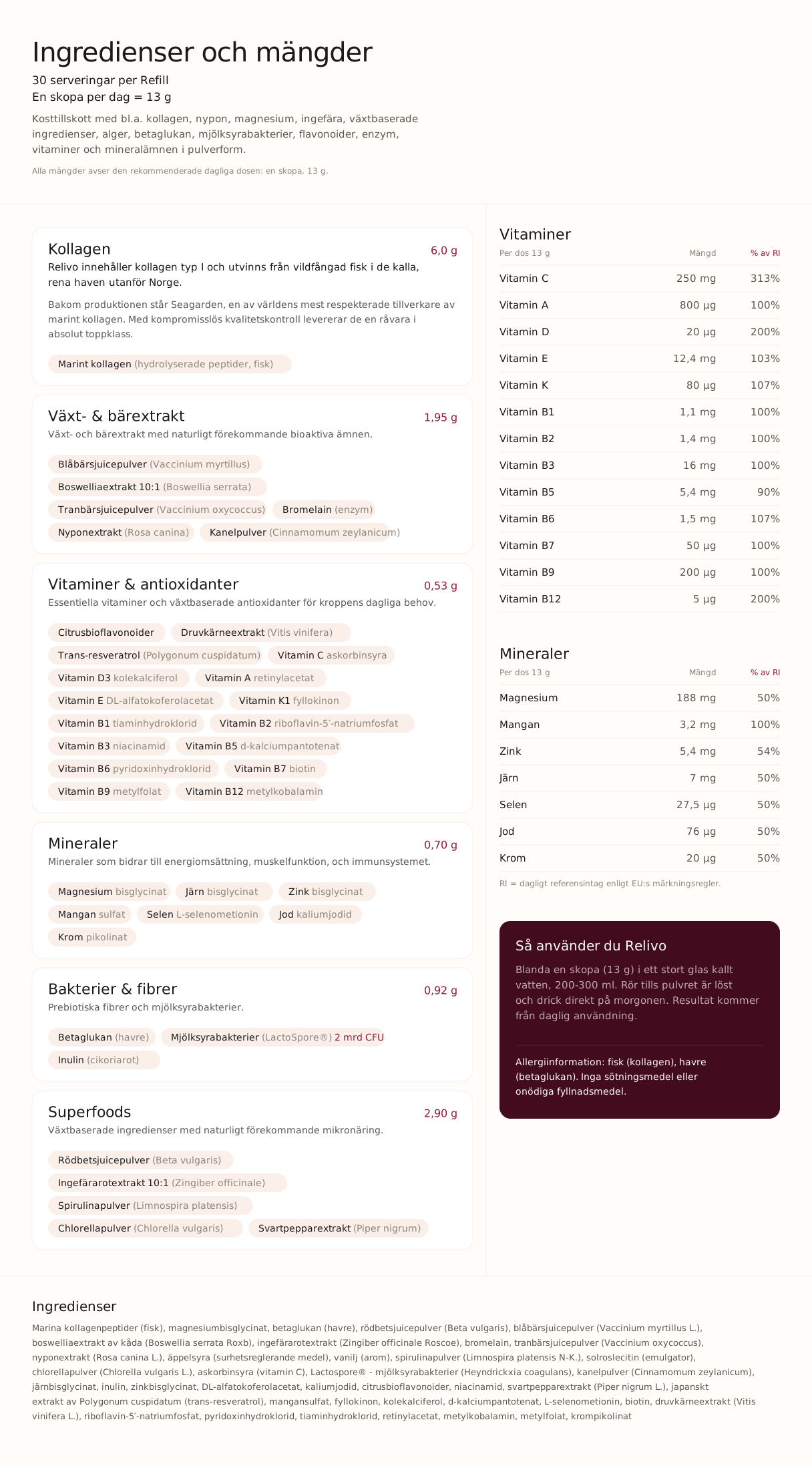
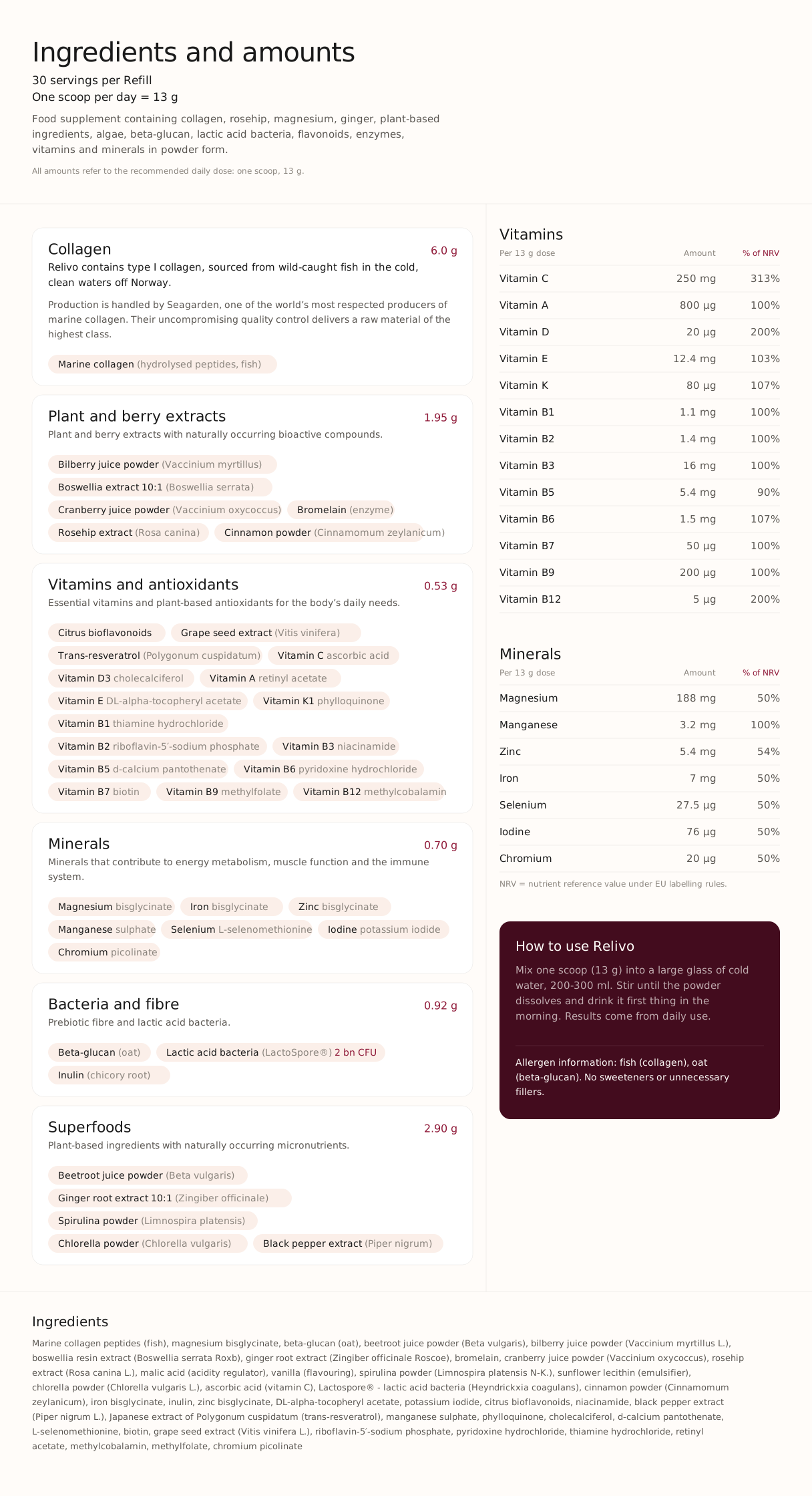
• Ensure daily intake of magnesium and chromium via diet and/or supplements such as Relivo.
Besides that, the classics still make a big difference: adequate sleep, less prolonged stress and regular meals.
Example: a day of smart blood sugar focus
Imagine a completely ordinary working day: breakfast, sedentary meetings, quick lunch and fatigue at three o'clock.
By starting the day with a powder like Relivo (with magnesium and chromium), combining lunch with a short walk and avoiding pure sugar peaks, the energy often becomes more even.
It's not about perfection, it's about small, consistent adjustments that give muscles and liver better conditions to maintain blood sugar balance.
Summary
Chromium and magnesium sound technical, but in practice it's all about how you feel during the day: even energy, fewer crashes and clearer focus.
By combining smart diet, exercise and a supplement like Relivo, you can make it easier for muscles and liver to manage blood sugar balance in the background. It's when you give your body the right tools - and use them consistently - that you really notice the difference in everyday life.
About Relivo
Relivo is a complete daily nutritional supplement developed in collaboration with Swedish scientists and nutritionists. Relivo combines 38 carefully selected nutrients that support the body's most important systems and structures.
All collected in a scoop in powder form, developed to be easy to use and easy to bring into everyday life. Relivo is blended in 60 seconds and is used as a long-term nutritional foundation for energy, immune system, gut health, muscles and joints.
Sources:
• https://www.relivo.se/forskning (confirms magnesium bisglycinate and chromium picolinate in Relivo)
• https://www.ncbi.nlm.nih.gov/pmc/articles/PMC7019700/ (chromium and insulin)
• https://www.ncbi.nlm.nih.gov/pmc/articles/PMC6316205/ (magnesium and glucose metabolism)
• https://pubmed.ncbi.nlm.nih.gov/29713050/ (chromium and blood sugar balance)