Yoga vs strength training against stress - what do the studies say?
Yoga and strength training are two of the most recommended forms of exercise to manage stress. But which one works best — and what does the research actually show?

Introduction
Stress is a natural part of life, but when it becomes prolonged, both energy, focus and recovery are affected.
Many people turn to exercise to manage stress, and two of the most popular methods are yoga and strength training.
Both forms of exercise have been studied in relation to mental health, and the results show that they affect the body in different ways.
This means that which shape fits best depends on what exactly you need.
This article will guide you through the research and help you find an exercise style that can provide balance in everyday life.
Yoga for stress management
How Yoga Creates Calm and Mental Presence
Yoga combines movement, breathing and focus.
It allows the body to move from an active and stressed position to a more balanced and calm one.
Studies show that yoga can contribute to a reduction in perceived stress and an improved sense of mental calm.
Breathing as a tool for recovery
Slow, controlled breathing is a central part of yoga. It is also one of the reasons why yoga is often used for stress reduction.
Breathing exercises have been linked in studies to increased relaxation and greater attention.
The impact of yoga on mental health
Regular yoga can provide an increased sense of stability and presence in everyday life.
This makes yoga a natural choice for those who want to unwind and manage stress with a more relaxed focus.
Strength training for stress reduction
Why Strength Training Affects Stress and Energy
Strength training is not just about muscles — it also affects mental well-being.
Studies show that strength training can contribute to reduced perceived stress.
This is due, among other things, to the fact that the training creates a clear sense of accomplishment and control.
Strength training as a tool for focus and stability
When you use the body in controlled movements, a mental presence is created that helps you release everyday thoughts.
That's one of the reasons why many people experience strength training as a way to clear their head.
How Strength Training Affects Recovery and Well-Being
Research shows that strength over time can be linked to improved mental focus and more stable energy.
That makes it a good choice for those who want an active and powerful form of stress management.
Similarities between yoga and strength training in stress
Both can create mental recovery
Yoga and strength training are different but produce similar effects when it comes to reducing feelings of stress.
They can both contribute to better concentration and a sense of control.
Both forms of exercise strengthen the body in depth
Yoga strengthens stabilizing muscles while strength training builds power and endurance.
The result is a body that better copes with everyday stresses.
Both can be combined in a balanced exercise routine
Research shows that variation in exercise can produce positive effects for both mental and physical well-being.
Combining yoga and strength training therefore provides broader stress management.

Differences between yoga and strength training against stress
Yoga brings calmness - strength training gives energy
Yoga focuses on slowing down the pace, while strength training often provides a boost in energy and power.
The choice depends on whether you need stillness or activation.
Yoga works with breathing - strength with muscle contact
In yoga, breathing is a central component, while strength is based more on physical load and motor control.
It affects how the workout feels and how it fits into your day.
Yoga is introverted - strength training is targeted
Yoga focuses on presence and feeling in the body.
Strength training focuses on progression, weight or repetitions.
How to choose the right form of exercise for your stress level
Choose yoga when you feel overwhelmed
Yoga helps when your mind is spinning or you feel mentally tired.
It is especially good if you need calm and recuperation.
Choose strength training when you feel low energy
Strength suits when you want to feel vigor, stability or want to get a break from sedentary work.
It works well in case of stress that is based on restlessness or mental fatigue.
How to combine yoga and strength training for less stress
Yoga after strength training
Finish the strength workout with 5—10 minutes of yoga.
It helps you land and reduces tension.
Yoga in the morning, strength in the afternoon
A quiet yoga session sets the tone for the day.
Strength later in the day brings energy and stability.
Breathing exercises before strength training
Two minutes of slow breathing can help you become more focused before your workout.
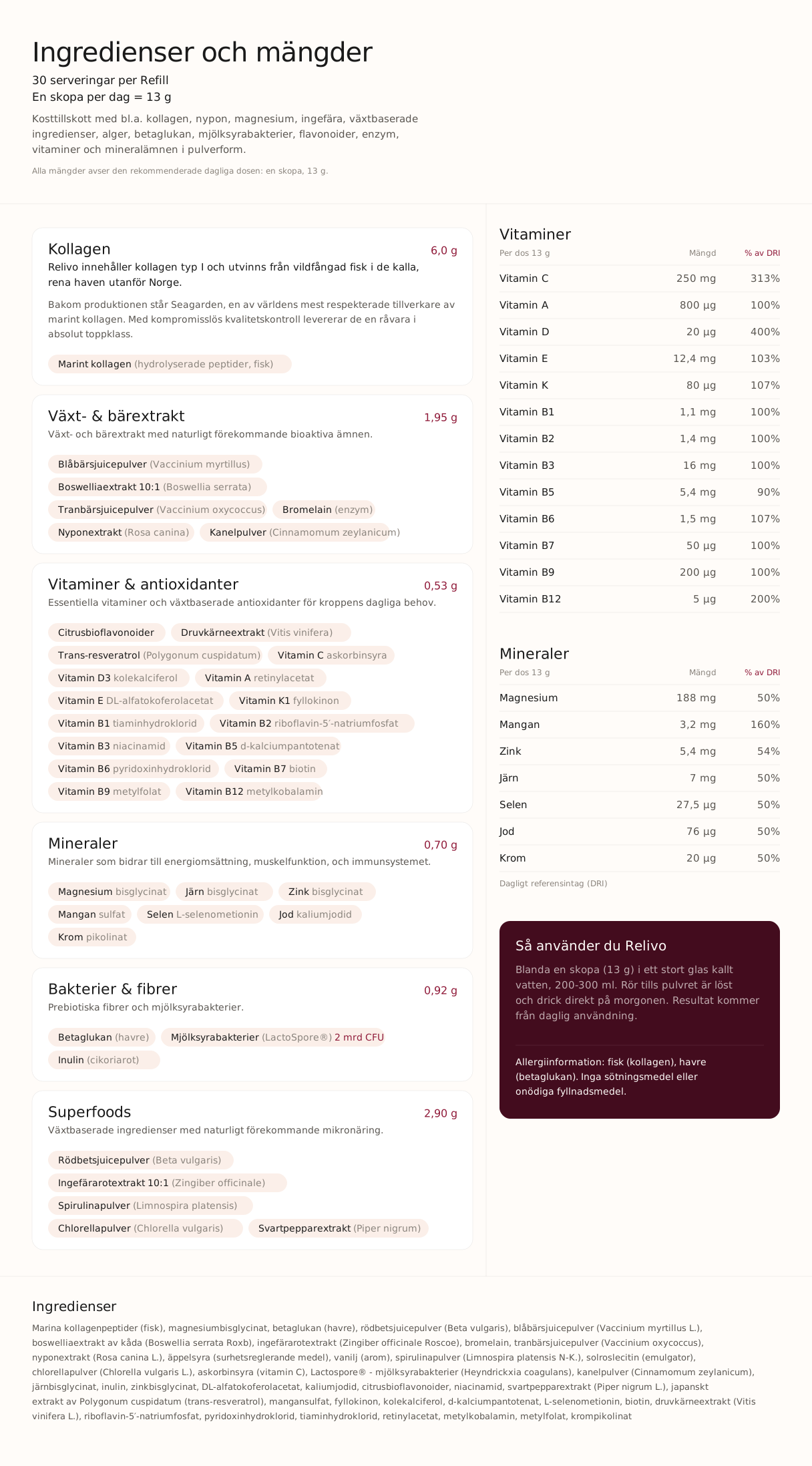
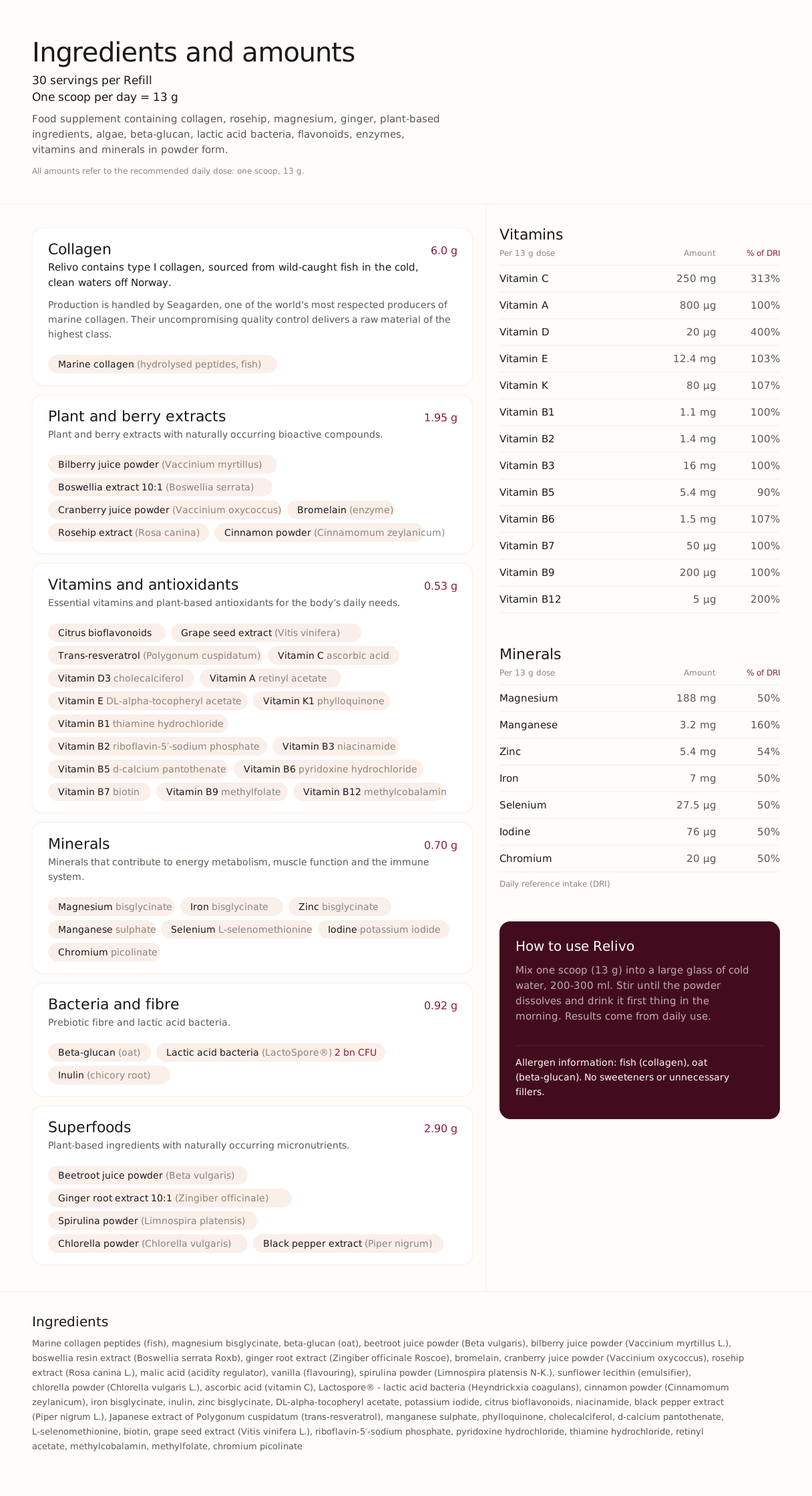
How Relivo can be integrated into your training routines
Relivo is designed to suit both calm and active moments.
Whether you choose yoga or strength, routines can be more sustainable when combined with the right nutritional support.
What research says about stress, yoga and strength training
Research shows that:
- yoga can influence stress response and create calm
- strength training can reduce perceived stress and improve mental recovery
- physical activity in general is one of the most effective methods of stress management
- variation in exercise can support both cognitive and emotional balance
- movement is a key to long-term stress management
Summary
Yoga and strength training are two different but powerful ways to reduce stress. Yoga helps you land and find calm, while strength training builds energy and mental strength.
You don't have to choose — both forms of exercise together can create more balance, more presence and better recovery in everyday life.
Sources
- Harvard Medical School -- Yoga and Stress Response
- Journal of Clinical Psychology — Yoga for Emotional Balance
- Frontiers in Psychology — Resistance Training and Mental Health
- Journal of Strength and Conditioning Research — Strength Training and Stress
- Mayo Clinic -- Exercise and Stress Management