Why exercise sometimes makes us more tired instead of perky
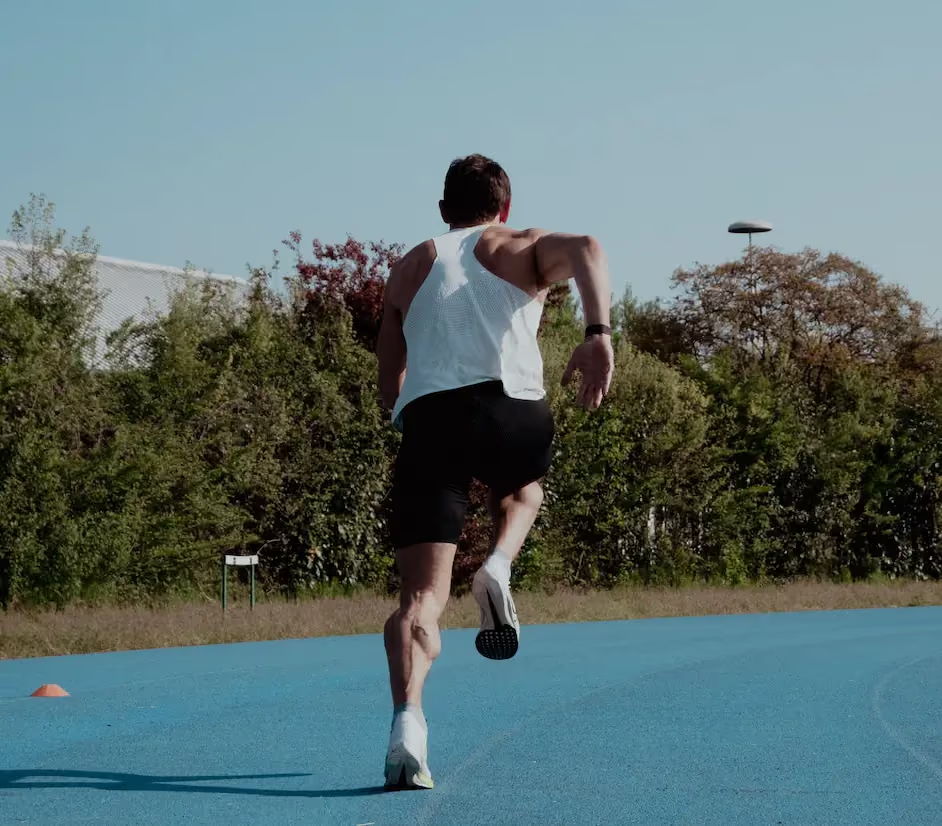
Exercise is often associated with more energy, but sometimes the opposite happens. Why can exercise make us more tired instead of more alert?

Introduction
Exercise is often seen as a natural energy boost.
However, many people find that they feel more exhausted after exercise, both immediately and in the long run.
This is not uncommon and rarely depends on the training itself.
Instead, it is often about how the body is loaded, recovered and given the right conditions.
Why exercise sometimes makes us more tired instead of perky
Fatigue after exercise is the body's way of signaling that it needs recovery.
When the load exceeds the capacity for recovery, energy levels can drop.
It is the balance between exercise, rest and everyday life that determines how the body reacts.
Too little recovery between passes
Exercise breaks down the body temporarily.
Recovery is what makes the body adapt.
If the breaks between workouts are too short, the fatigue can build up instead of going away.
Rest is part of training
Many people focus on the amount of exercise but underestimate the importance of rest.
The body needs time to restore energy levels.
Without adequate rest, even low-intensity exercise can feel heavy.
Too high intensity too often
High-intensity exercise is demanding on the body.
If it is carried out too often, it can affect how alert you feel in everyday life.
The body simply does not have time to adapt between sessions.
More is not always better
Exercise does not automatically give you more energy just because you exercise more.
Variation and adaptation are crucial.
A mix of intensity and calmer workouts can provide a better long-term effect.
Energy deficiency and the role of diet
Exercise requires energy.
If the energy intake does not match the load, the body may experience deficits.
This can manifest as fatigue, decreased motivation and tenacious recovery.

Nutrition as a support for exercise
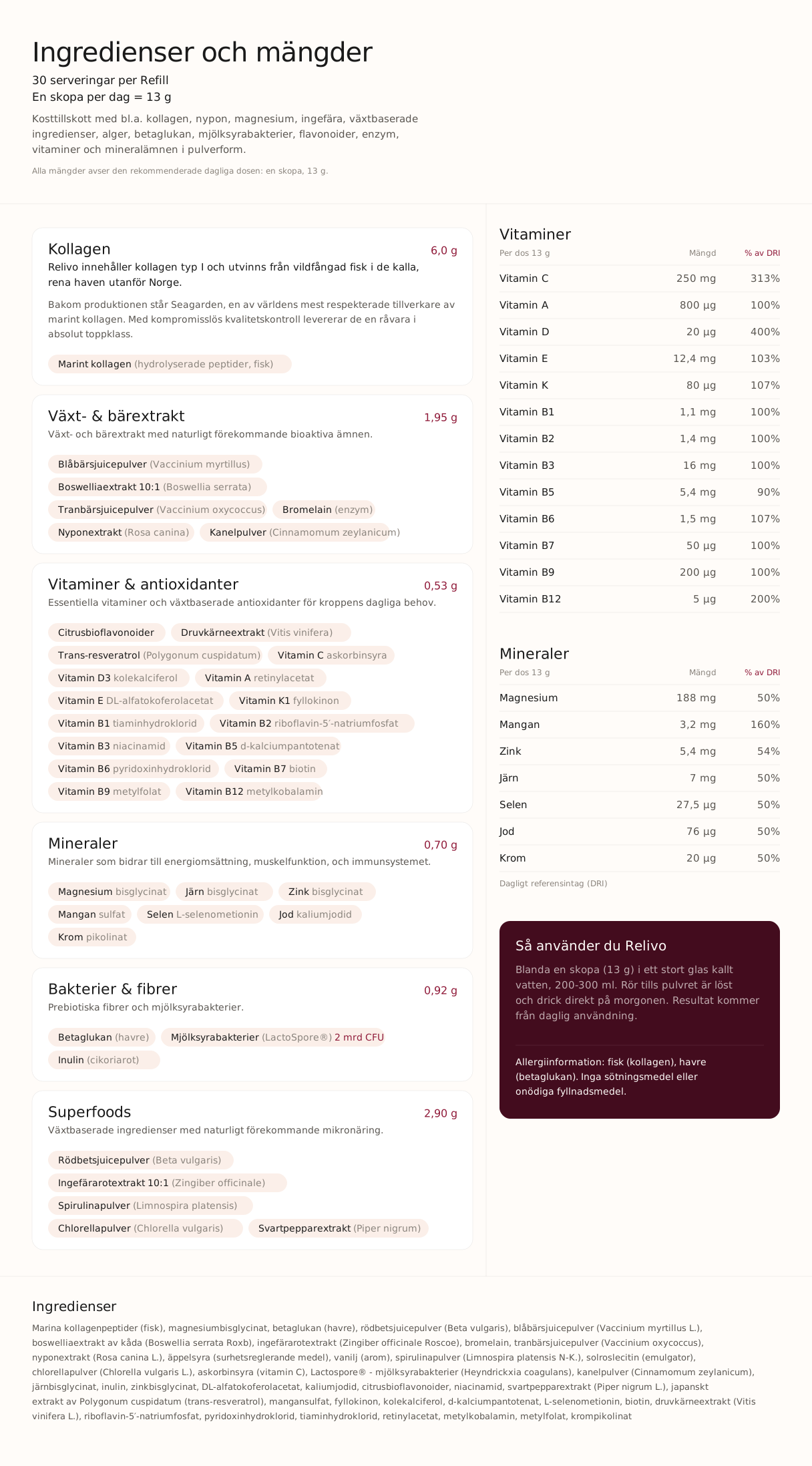
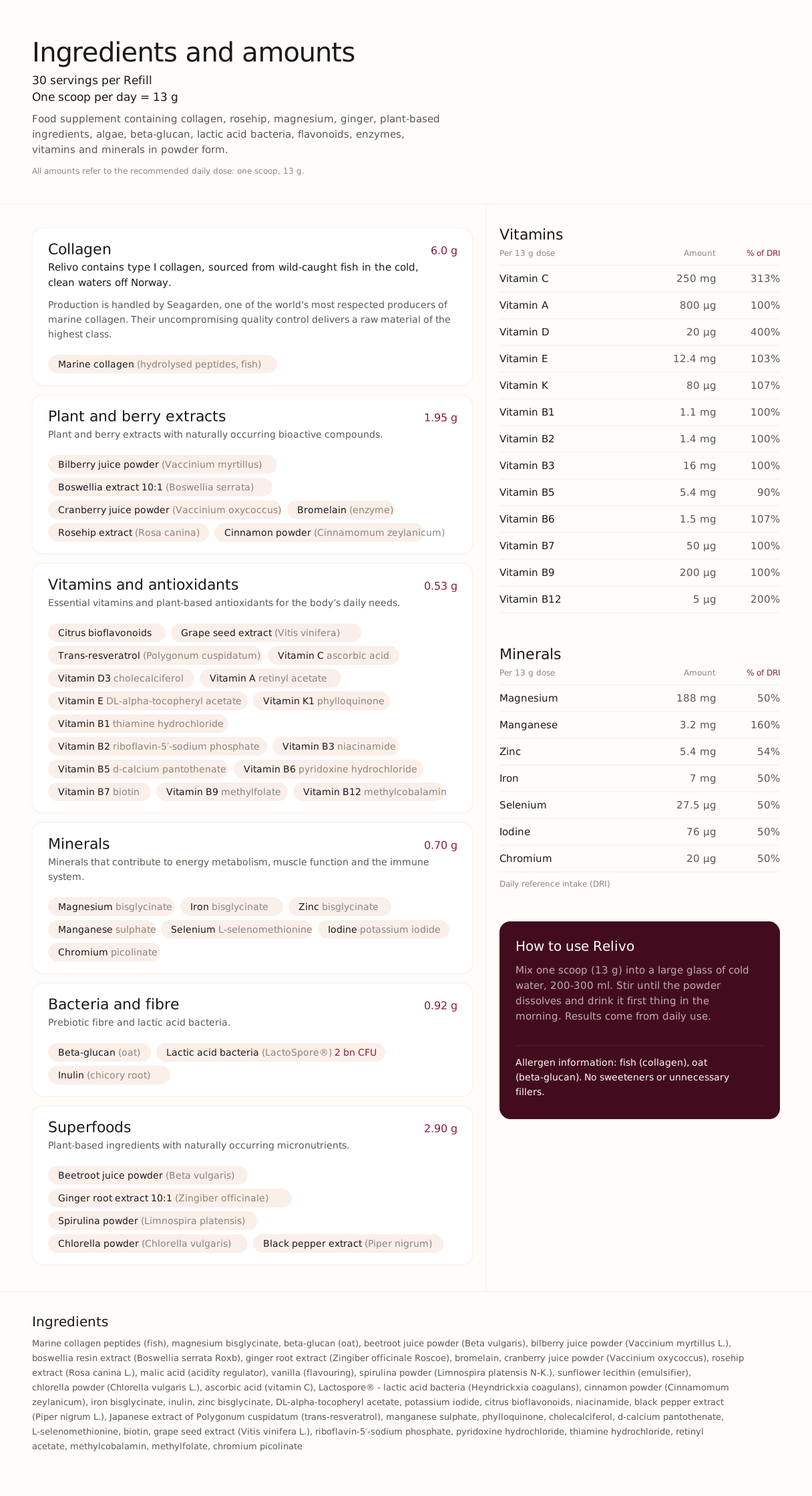
Carbohydrates, protein and fat fulfill various functions in the body. Also minerals play a role in the body's normal energy processes.
Relivo is designed to complement an active lifestyle and fit into everyday life.
Sleep and exercise are linked
Exercise and sleep affect each other.
Insufficient sleep can make exercise feel heavier than usual.
At the same time, hard exercise late at night can affect sleep in some people.
Timing matters
When in the day the exercise takes place can affect how the body unwinds.
Listening to your body's signals is more important than following a fixed schedule.
Stress and exercise as a load
Exercise is a form of stress for the body.
Combined with work stress or mental demands, the overall load can become high.
When multiple stressors interact, energy levels can be affected.
The whole determines the energy
The body does not always distinguish between physical and mental load. It all adds up.
Therefore, exercise can sometimes contribute to fatigue instead of counteracting it.
Fluid balance and fatigue
Lack of fluid can affect how the body functions during and after exercise.
Even mild dehydration can be experienced as fatigue.
Drinking enough before, during and after exercise is a simple but often overlooked factor.
Practical tips if exercise makes you tired
• Review exercise intensity
• Prioritize rest days
• Ensure adequate energy intake
• Pay attention to sleep quality
• Adapt training according to life situation
Small adjustments can change the way the body responds to exercise.
Summary
That exercise sometimes makes us more tired instead of perky is not a failure.
It is often a sign of imbalance.
By seeing exercise as part of the whole, energy can return over time.